Dreaming of turquoise waters, fascinating encounters with manta rays, and pristine reefs: Bali embodies this fantasy for all those who wish to live an unforgettable underwater experience. Between legendary wrecks, colorful wildlife, and varied spots suitable for every level, the question arises: how to fully enjoy these treasures while preserving the fragile beauty of the places? Through practical advice, recommendations on equipment and ideal periods, this journey will guide you towards an adventure that is both authentic and respectful, where every moment underwater becomes a lasting memory.
What are the must-visit diving sites in Bali for all levels?

Diving in Bali attracts with the variety of its sites suited to every level. Beginner divers favor Tulamben with the famous Liberty wreck, where visibility remains excellent and currents are weak. Thrill seekers choose Nusa Penida for diving and encounters with manta rays or the rare mola mola. The best Bali diving sites offer optimal conditions for beginners or those looking to improve.
The Gili Islands and Menjangan offer accessible spots, ideal for exploring marine biodiversity safely. The Menjangan reserve, protected and little frequented, guarantees a peaceful experience rich in discoveries. The coral reefs there are preserved thanks to innovative initiatives like Biorock.
Each site has its specifics: Tulamben for Bali wreck diving, Nusa Lembongan for its calm waters, or Candidasa for its vertiginous drop-offs. All share the richness of underwater fauna and flora, ensuring an unforgettable trip.
The main diving sites in Bali
- Tulamben: Diving on the Liberty wreck and coral reefs.
- Nusa Penida: Observation of manta rays and mola mola.
- Menjangan Island: Protected reserve and accessible drop-offs.
- Gili Trawangan: Remarkable biodiversity and certified centers.
- Amed: Calm waters, perfect for beginners.
- Candidasa: Drop-offs and currents for experienced divers.
What marine species and features can be observed during a dive in Bali?

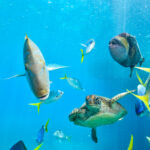
Bali’s marine biodiversity offers an exceptional spectacle with over 3,000 fish species and 700 coral species. Divers often encounter manta rays measuring 3 to 4 meters, the mola or sunfish, and a multitude of protected sea turtles. Dives allow observation of pygmy seahorses, nudibranchs, barracudas, and dolphins.
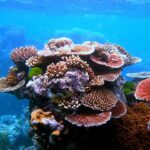
The fauna and flora vary according to the spots: at Menjangan, visibility reaches 50 meters, revealing gorgonians and multicolored reefs. The wrecks of Tulamben attract mimic octopuses and chameleon cuttlefish. The Gili Islands shelter green and olive ridley turtles in their clear waters.
Diving in Bali suits all profiles. Photographers favor macro at Secret Bay, adventurers prefer manta diving in Bali at Manta Point. Each experience is distinguished by the richness of the best Bali diving sites.
How to choose a reliable dive center and ensure safety?
Choosing a PADI-certified center ensures the quality of dives and the safety of divers. A good establishment offers clean equipment, a boat equipped with oxygen, a first aid kit, phone, and radio. Experienced guides supervise each outing to comply with legislation that prohibits autonomous diving except for supervised experts.
Responsible diving schools raise awareness about reef preservation and the protection of marine fauna and flora. They limit the number of divers per guide and forbid any waste in the sea. Decompression and behavior instructions are strictly enforced.
Safety depends on respecting the rules and choosing a recognized club. Favoring a local center committed to coral restoration through the Biorock technique contributes to biodiversity preservation and offers a rewarding experience.
Criteria for selecting a dive center
- PADI certification or equivalent
- Recent and well-maintained equipment
- Experienced and multilingual guides
- Boat equipped with safety gear
- Commitment to reef preservation
What is the best time to dive in Bali and what precautions should be taken?
The ideal period for diving in Bali extends from May to September, when the waters are clearest and visibility is optimal. Currents are generally moderate, facilitating access to the best Bali diving sites. This season coincides with high marine activity, multiplying encounters with large fauna.
Precautions include careful listening to guides, equipment checks, and appropriate physical preparation. Indonesian legislation prohibits autonomous diving, except for supervised experts, enhancing safety on every experience. Respecting fauna and flora remains essential to preserve the richness of the sites.
Expert and peer reviews recommend favoring Bali wreck diving early in the morning or at night to avoid crowds and maximize chances of observing manta rays and mola. Adapting to local conditions guarantees a peaceful and enriching trip.
In 2019, more than 300 divers simultaneously observed a giant manta ray at Manta Point, a rare moment at the Bali manta diving spots.
Quiz: Explore the Underwater Biodiversity of Bali
Which site in Bali is ideal for beginners with calm waters and excellent visibility?
Which marine species can often be seen at Manta Point during a dive in Bali?
What is an essential criterion for choosing a reliable dive center in Bali?
Which period is recommended for diving in Bali to have good visibility and little current?
Which equipment is essential for a successful dive in Bali?
What are the essential equipment for a successful dive in Bali?
Proper equipment guarantees a pleasant and safe experience during every dive in Bali. Favoring a 3 to 5 mm wetsuit allows adaptation to the water temperature which varies depending on the sites. Adjustable fins, a well-fitted mask, and a quality snorkel ensure optimal comfort. A reliable dive computer remains essential to monitor depth and dive duration, especially on the best Bali dive sites.
A dive light proves useful for exploring wrecks or observing nocturnal wildlife. Gloves protect against sharp corals and unexpected currents. A signaling buoy increases safety on the surface. Dive centers often offer equipment rentals, but bringing your own gear ensures perfect adaptation for each trip.
What physical preparation before a dive in Bali?
Good physical condition optimizes diving enjoyment and reduces risks related to currents or fatigue. Practicing swimming and breathing exercises improves endurance. Hydrating before each experience limits cramps and promotes recovery after dives.
What responsible behaviors should be adopted underwater?
Respecting wildlife and flora protects the richness of the reefs. Never touching the corals or chasing the fish ensures the preservation of biodiversity. Following the guide’s instructions and avoiding stirring up the sand preserves visibility for all divers.
How to make the most of night dives in Bali?
Night diving reveals different wildlife and new behaviors. Using a powerful flashlight allows you to observe rare species and distinguish the colors of the corals. Staying close to the guide and signaling your presence with a backup light secures the night experience.
What souvenirs to bring back after a dive in Bali?
Underwater photographs immortalize the biodiversity and unique landscapes of the best Bali dive sites. Personalized dive logs allow you to record each site visited, the fish observed, and the feedback gathered from guides and other divers.
- Wetsuit suited to the local temperature
- Dive computer to monitor parameters
- Flashlight for deep or night dives
- Mandatory signal buoy on certain sites
- Dive logbook to track progress
Why choose Bali for a first diving experience?
Choosing Bali to start diving offers direct access to exceptional biodiversity and varied sites, allowing everyone to progress at their own pace. The quality of supervision, the diversity of reefs, and the richness of wildlife guarantee an unforgettable and safe experience. Experiencing a trip to Bali means giving yourself the opportunity to explore the best Bali dive sites while discovering a welcoming culture and spectacular landscapes.
Frequently asked questions about diving in Bali: practical advice and tips from an experienced traveler
What are the best tips for a stress-free first dive in Bali?
Arriving rested, staying well hydrated, and carefully following the dive center briefings promote a calm first experience. Taking the time to get familiar with the equipment and communicating any apprehensions to the instructor allows you to approach the descent with confidence. Patience and listening to your sensations help you fully enjoy the magic of Bali’s underwater world from the very first dive.
How to balance underwater discovery with respect for local Balinese communities?
Supporting centers involved in marine preservation and favoring accommodations run by locals ensure that your visit benefits the local economy. Choosing excursions led by Balinese guides, participating in beach clean-up activities, or buying crafts from coastal villages help build authentic connections while minimizing tourism’s impact.
What mistakes should be avoided during a diving trip in Bali to preserve biodiversity?
Avoid feeding fish, never collect corals, and limit the use of non-biodegradable sunscreens to protect fragile ecosystems. Respect the distance from marine animals, refuse shell objects offered on beaches, and report any observed degradation to the center to actively contribute to the preservation of Bali’s natural heritage.