
Tradition and modernity meet in Denpasar, where every street echoes the past and the promises of the present. Do you sometimes feel the need to step off the beaten path and truly understand the soul of a destination, far from tourist clichés? Authentic encounters, living heritage, and preserved nature make the Balinese capital a place where one confronts the reality of mass tourism and the richness of local cultures.
Faced with religious diversity, the bustle of markets, and the fragile balance between development and preservation, how can one grasp the true identity of Bali? This text offers you a thoughtful immersion, sharing lived experiences, practical advice, and an engaged perspective on what makes the soul of Denpasar, to guide you through the contrasts and treasures of this unique city.
Why is Denpasar considered the cultural and heritage heart of Bali?
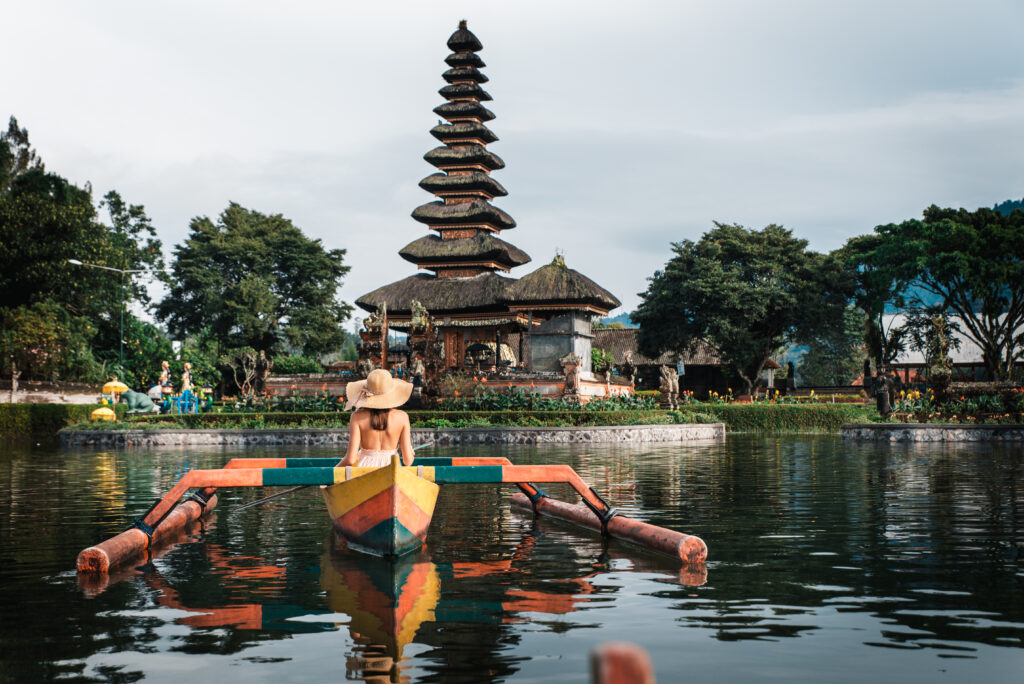
Located in the south of Indonesia, Denpasar embodies the nerve center of Balinese heritage. The city bears witness to the legacy of the Badung kingdom, marked by iconic sites and a unique history. Denpasar is distinguished by the presence of multiple temples, true pillars of Balinese religious culture.
The nickname Kota Seribu Pura, the city of a thousand temples, illustrates this exceptional density of religious sites. Visitors discover temples such as Pura Jagatnatha or Pura Maospahit, reflections of Balinese architecture. Each building celebrates cultural richness and the importance of ritual in daily life.
The heritage of Denpasar is also expressed in its museums and traditional markets. The historic neighborhoods reveal a mosaic of traditions, where the Kumbasari site recalls the city’s commercial origins. The markets abound with Balinese handicrafts, true witnesses of local creativity.
Heritage sites not to be missed
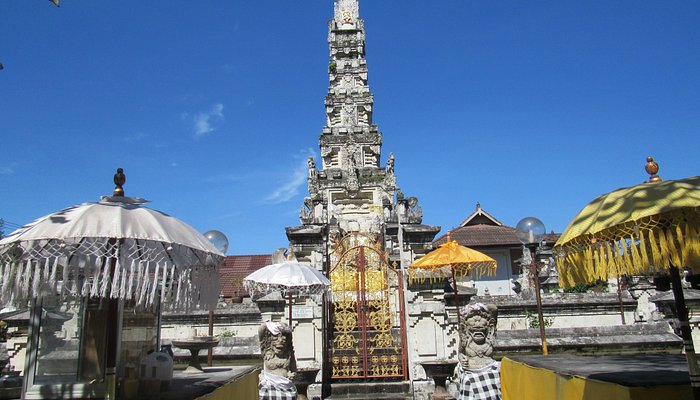
- Pura Jagatnatha, major Hindu temple
- Bali Museum, dedicated to Balinese art and history
- Puri Pemecutan Palace, royal symbol
- Kumbasari Market, historic heart of commerce
- Bajra Sandhi Monument, memory of the Indonesian struggle
How does cultural and religious diversity shape life in Denpasar?
The population of Denpasar is predominantly Balinese, but the city also welcomes Muslim and Christian communities. This diversity is reflected in places of worship, from Hindu temples to churches built in a style inspired by local architecture. The coexistence of several religions creates a rich and dynamic social fabric.
Rituals, processions, and ceremonies are omnipresent. The Ngerebong festival, which attracts worshippers and curious visitors every year, illustrates the deep attachment to religious traditions and the cultural identity of Denpasar. The city vibrates to the rhythm of celebrations, where spirituality holds a central place.
The markets, workshops, and galleries testify to the vitality of Balinese craftsmanship. Textiles, pottery, silver objects, and batik are all facets of local cultural expression, available in the different neighborhoods of Bali’s capital.
Major Religious and Cultural Influences
- Hinduism, dominant religion
- Islam, second largest religious community
- Christianity, churches integrated into local architecture
- Traditional Balinese rituals and festivals
Which Iconic Places and Must-Do Activities to Discover in Denpasar?
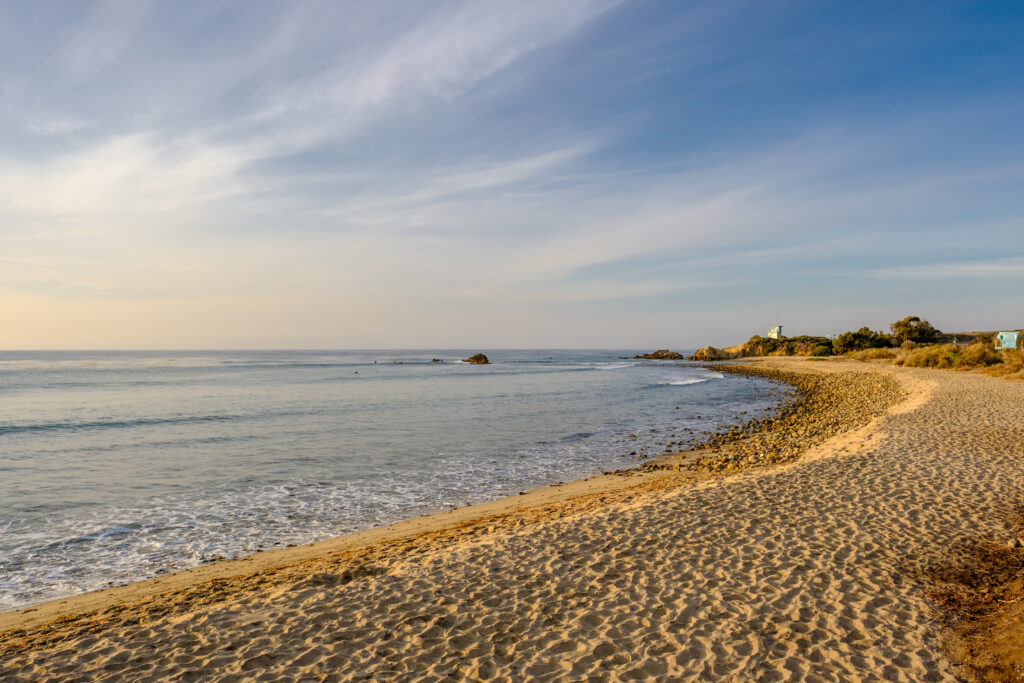
The Sanur Beach site offers privileged access to the sea, appreciated for swimming and sunrise walks. Nearby, Serangan Island attracts diving enthusiasts and turtle watchers. These natural spaces integrate perfectly with the urban dynamics of Denpasar.
The Bajra Sandhi Monument, located in Renon Park, pays tribute to Balinese resistance against colonization. This historic site stands as a landmark to understand the history of Denpasar and Bali. The Bali Museum completes this immersion, exhibiting artworks, costumes, and ritual objects.
Artisan markets, such as the one in Badung, invite visitors to discover Balinese craftsmanship and learn traditional techniques. Visitors find textiles, silver jewelry, and decorative objects there, perfect for soaking up local creativity.
Activities to Prioritize During a Stay
- Visit the Bali Museum and the Bajra Sandhi Monument
- Walk along Sanur Beach
- Explore the Kumbasari Market
- Discover Balinese craftsmanship
- Excursion to Serangan Island
How Does Denpasar Fit into Bali’s Economic and Educational Dynamics?
Denpasar plays a key role in Bali’s economic development. Trade, craftsmanship, and tourism form the foundation of local prosperity. Markets, galleries, and workshops energize the economy and promote employment in the region.
The city hosts several renowned universities, including Udayana University and the Indonesian Institute of the Arts. These institutions attract many students each year, strengthening Denpasar’s position as a major educational center in Indonesia. The presence of these institutions contributes to a youthful and innovative atmosphere.
The urban transport network, although limited, has modernized with the introduction of Trans Sarbagita and Trans Metro Dewata. These systems facilitate mobility within the Sarbagita metropolitan area, connecting the main economic, educational, and tourist hubs of the region.
Pillars of Local Growth
- Balinese trade and craftsmanship
- Higher education and universities
- Cultural and seaside tourism
- Development of transport infrastructure
In 2008, Denpasar hosted the Asian Beach Games, a landmark event that strengthened the dynamic image of Bali’s capital.
Quiz: Discovering Denpasar, the Heart of Bali
Why is Denpasar nicknamed “Kota Seribu Pura”?
Which heritage site is considered a royal symbol in Denpasar?
What activity is recommended to discover Balinese craftsmanship in Denpasar?
What is an iconic place to understand the history of Denpasar?
What is an important natural feature of Denpasar?
What natural and environmental aspects distinguish Denpasar within Bali?
The capital of Bali stands out for the coexistence of urban areas and preserved green spaces. Municipal parks, such as Puputan Badung Park, offer a place of relaxation in the heart of the city. These spaces allow observation of local biodiversity and the harmonious integration of nature into the urban fabric. The rivers crossing Denpasar testify to the importance of water management in daily life and in maintaining ecological balance.
The beaches located in the immediate vicinity, such as Mertasari or Sindhu, are major assets. They attract visitors with their accessibility and the variety of activities offered, ranging from swimming to paddleboarding. These coastlines enhance the tourist appeal and contribute to the enhancement of natural heritage. Respect for marine ecosystems remains central to preserving Bali’s richness.
The role of urban parks in local life
Denpasar’s urban parks serve as meeting points for residents. They host cultural events, sports sessions, and pop-up markets. Access to these spaces promotes conviviality and daily well-being, while offering a nature break within the city.
The importance of beaches in the economy and tourism
The beaches near Denpasar support the development of seaside tourism. Water activities, surf schools, and fish markets create economic dynamism. These coastlines are also places of expression of Balinese heritage, through religious ceremonies held by the sea.
Sustainable management of water and natural resources
The city implements initiatives to preserve the quality of its rivers and wetlands. Awareness projects on waste management and mangrove preservation illustrate Denpasar’s commitment to the environment. These actions contribute to the protection of the natural site and the transmission of Balinese ecological know-how.
Natural spaces as educational and awareness tools
The botanical gardens and protected areas of the region serve as educational resources for schools and universities. Guided tours and workshops raise awareness among younger generations about the richness of local fauna and flora, while strengthening Indonesian identity around environmental protection.
- Discovering urban parks and botanical gardens
- Exploring the beaches of Mertasari and Sindhu
- Observing local biodiversity
- Participating in ecological awareness workshops
- Guided tours on water management
Why Denpasar remains an essential destination to understand Bali
Exploring Denpasar allows you to grasp the essence of Balinese heritage and Indonesia’s cultural diversity. The richness of historical sites, the vibrancy of craft markets, and the omnipresence of religious traditions offer an authentic immersion. Visitors thus gain a comprehensive vision of the island, between modernity and respect for local heritage. This destination proves ideal for those who wish to discover the depth of Balinese culture while enjoying a preserved natural environment.
Frequently asked questions to prepare your stay in Denpasar
What are the best means of transportation to explore Denpasar and its surroundings?
The city of Denpasar offers several transportation options, ranging from local taxis to rental scooters, which are very convenient for getting around freely. The Trans Sarbagita urban bus network also facilitates access to the main sites. For adventurers, renting a bicycle offers a unique immersion in authentic neighborhoods and allows easy access to the surrounding beaches.
What typical culinary experiences should not be missed in Denpasar?
Trying the local cuisine is a must when visiting Denpasar. Traditional warungs offer babi guling (Balinese roasted pork), lawar, and sate lilit, true emblems of the gastronomic heritage. Night markets provide a friendly atmosphere where you can taste fresh specialties while sharing a moment with the locals.
How to have an authentic experience away from the classic tourist circuits?
To feel the true face of Denpasar, prioritize meeting artisans in their workshops, participate in a local ceremony, or get involved in environmental preservation projects. Strolling early in the morning through the markets or joining a yoga session in an urban park allows you to discover the city from a more intimate and tradition-respecting perspective.
To continue your discovery of Denpasar, where the richness of Balinese traditions harmoniously blends with modernity, also explore the island’s most beautiful diving sites thanks to this specialized guide on diving in Bali, which will offer you a fascinating perspective on the diversity of the archipelago.
Related posts:
 Trip to Saint Martin immersion between paradisiacal beaches and unique Franco-Dutch culture
 Weather and temperatures in Tenerife in February between mild climate and ideal sunshine
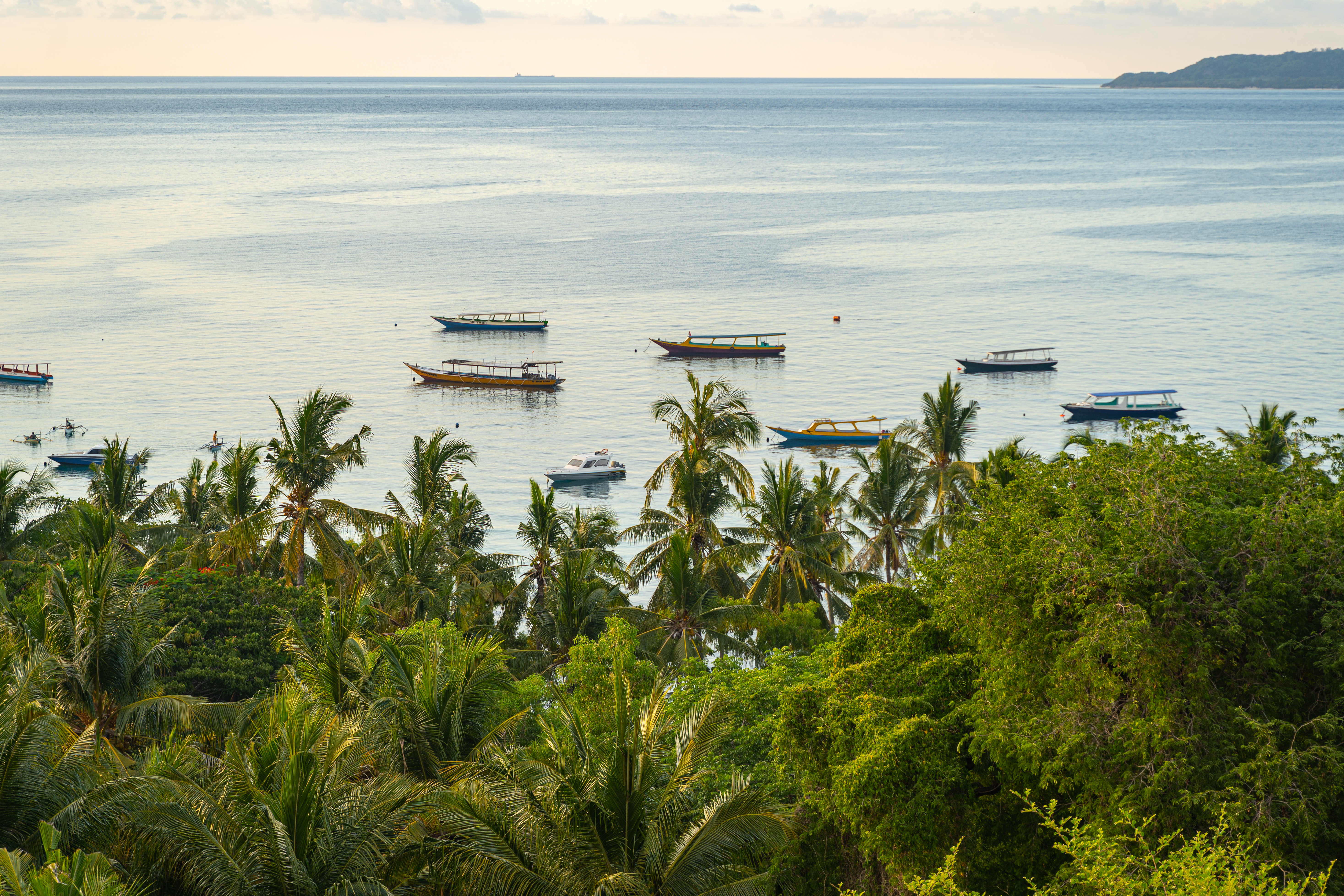 Koh Phangan between paradisiacal beaches, natural landscapes, and legendary parties in Thailand
 Roses Spain between beaches, coves, and exceptional heritage on the Mediterranean bay of the Costa Brava