
Looking for authenticity and preserved nature? Iceland fascinates, but it is easy to get lost in the crowd of classic tourist sites. In Selfoss, the discreet charm of a lively town meets the power of wild landscapes, offering a rare balance between local traditions and modernity. Are you looking to feel the soul of a place without sacrificing comfort or proximity to the most beautiful sites?
Selfoss meets this expectation by combining sincere encounters, varied accommodations, and privileged access to the natural wonders of the south. Discover how this destination transforms the perception of travel by highlighting what makes the richness of an ultimate experience: connection, emotion, and the freedom to marvel away from the beaten path.
What is the history of Selfoss and how did the town develop in the southern region?
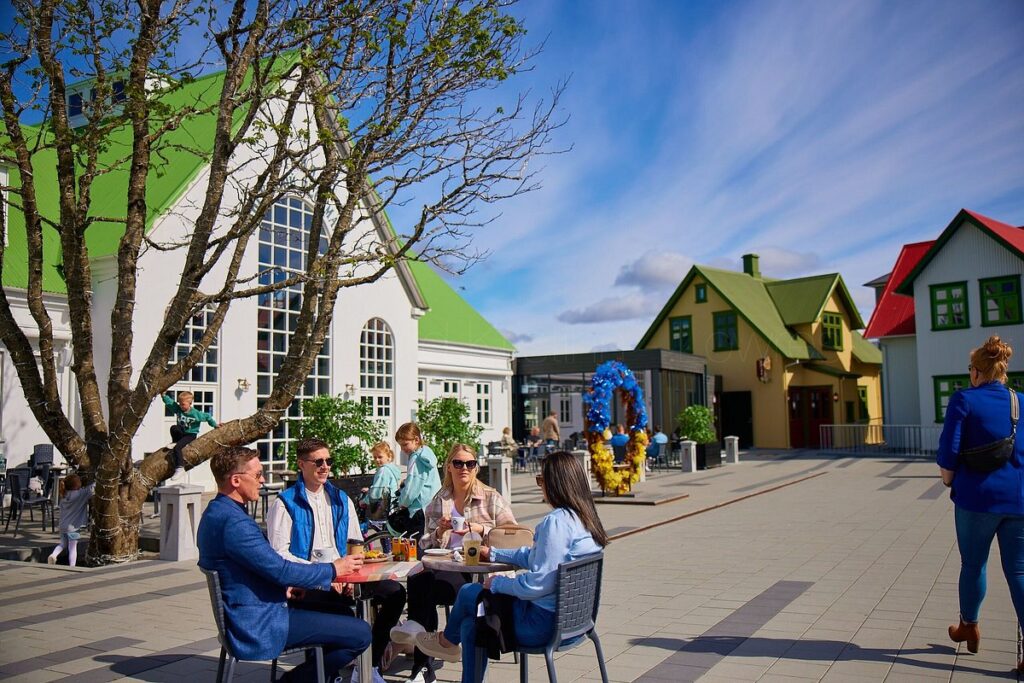
Selfoss occupies a strategic place in southern Iceland on the banks of the Ölfusá river. The first trace of settlement dates back to 1891, although local culture mentions human presence as early as the time of Ingólfur Arnarson during the winter of 873-74 under Mount Ingólfsfjall. This development accelerated with the construction of the first suspension bridge in 1891, driven by Tryggvi Gunnarsson, marking the advent of essential infrastructure to connect the agricultural region to Reykjavik.
The town quickly established itself as the most important residential center in the south, with a population that doubled between 2000 and 2020. Over the decades, urban expansion and infrastructure improvements allowed Selfoss to become an economic and social hub, offering a favorable environment for new residents attracted by the proximity to the capital and affordable real estate prices.
Key dates in urban development
- 1891: First modern settlement and bridge construction
- 1945: New bridge after the collapse of the first
- 2000-2020: Population doubled
- 2021: Inauguration of the pedestrian downtown area
- 2024-2028: Project of the new four-lane bridge
What are the natural attractions and remarkable landscapes around Selfoss?
Selfoss offers a privileged environment close to exceptional natural sites. A few kilometers away, the Reykjadalur valley enchants with its natural hot springs, while the Kerid crater reveals a spectacular volcanic landscape with an intense blue lake. Thingvellir National Park, 50 kilometers away, attracts travelers for its hikes and diving in the Silfra fissure, where Icelandic nature reveals itself in all its diversity.
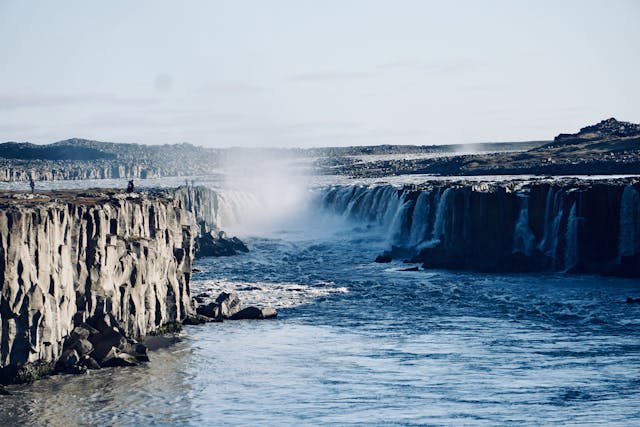
The Dettifoss waterfall, although further north, inspires with its power, as do the Jokulsarlon glacial lagoon, the Solheimajokull glacier, and the ice cave, all accessible on excursions from the town. These natural assets make Selfoss a key stop to explore southern Iceland by car or bus, enjoying breathtaking views of Icelandic landscapes.
Must-see natural sites nearby
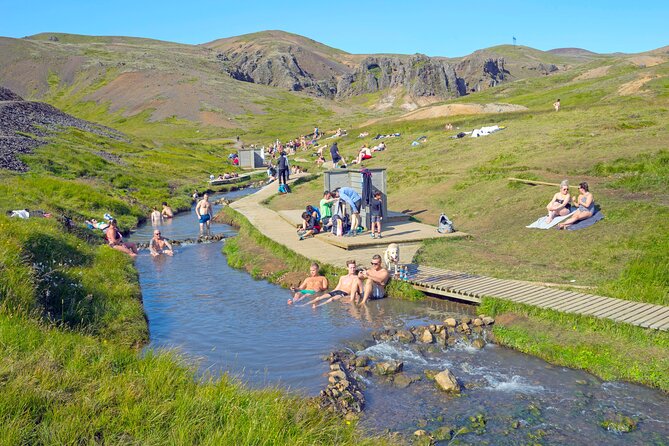
- Reykjadalur Valley and its hot springs
- Kerid Crater and its blue lake
- Thingvellir National Park and Silfra fissure
- Solheimajokull Glacier and Jokulsarlon lagoon
- Ice cave and excursions to the north
How do local life and culture express themselves in Selfoss?
The population of Selfoss brings the town to life through events like the Sumar á Selfossi festival, where every resident decorates their garden and participates in markets, concerts, and shows. The cultural center stands out with museums, the turf house, and the Selfosskirkja cathedral, reflecting a rich history and a vibrant culture.
The UMF Selfoss sports club, founded in 1936, energizes local life with national victories in handball and football, while the Iceland’s Strongest Man competition draws the attention of physical challenge enthusiasts. Several Icelandic personalities, including Björk and Daði Freyr, hail from the region, enhancing Selfoss’s reputation on the national stage.
What accommodation and infrastructure options are available for travelers in Selfoss?
Selfoss offers a wide range of accommodations, from budget guesthouses to 4-star hotels like Hotel Selfoss, which features a geothermal spa, restaurants, and other modern amenities. The pedestrianized downtown area, opened in 2021, highlights buildings rebuilt in traditional Icelandic style, with shops, cafés, and the Old Dairy Food Hall, a former dairy factory transformed into a gourmet space.
Travelers benefit from developed transport infrastructure, with buses to Reykjavik and other major destinations, as well as easy access to Route 1, the main artery of tourism in Iceland. Accommodation options also include typical cabins and family hotels, suited to all budgets and discovery desires.
Types of available accommodations
- 4-star hotels with spa and restaurant
- Budget guesthouses for small budgets
- Traditional cabins
- Family guesthouses
- Accommodation in renovated downtown
What are the advantages of Selfoss’s climate and geographical location for visitors?
The weather in Selfoss is characterized by a subpolar oceanic climate, with cool summers and cold but mild winters. Abundant precipitation, with 1113 millimeters annually, provides lush nature and an environment conducive to exploring the region, whether on foot, by car, or by bike.
Located 11 kilometers from the Atlantic Ocean and 50 kilometers from Reykjavik, Selfoss occupies an ideal position to reach major natural attractions such as Reykjadalur Valley or the Golden Circle. The proximity to water and the diversity of landscapes make the town a privileged starting point for exploring southern and western Iceland.
The Ölfusárbrú bridge, a symbol of local development, connects the town to the rest of Iceland and was rebuilt in 1945 after a spectacular collapse that caused no human casualties.
Quiz: Discovering Selfoss, the Heart of Southern Iceland
What date marks the beginning of modern settlement in Selfoss?
Which natural site near Selfoss is famous for its hot springs?
Which cultural activity is particularly popular during the local festival in Selfoss?
What is a typical accommodation you can find in Selfoss?
What is the main climatic advantage of Selfoss?
To discover other fascinating experiences near Selfoss, especially around diving and water activities, feel free to consult this guide dedicated to the best diving spots to enrich your stay in Iceland.
What authentic experiences to live in Selfoss for a total immersion?
Discovering the local culture through farmers’ markets allows you to interact with residents and taste fresh regional products. Artisans offer traditional items made of wool and wood, reflecting Icelandic craftsmanship. Participating in cooking workshops or guided tours provides an immersion into the traditions of Selfoss and direct contact with the population.
Exploring the surroundings by car reveals varied landscapes, from lava fields to lush meadows, up to the banks of the Ölfusá river. Nature lovers can observe many bird species and enjoy marked hiking trails accessible year-round. The panorama over the town from the surrounding heights offers a striking view of the valley and the mountains of southern Iceland.
Staying in a wooden cabin, typical of the south, allows you to live in tune with nature and appreciate the tranquility of the environment. Unusual accommodations, such as turf houses or lodges by the water, guarantee a unique experience. The warm welcome from locals fosters meetings and exchanges around a meal or a local activity.
Culinary traditions in Selfoss
The gastronomic culture of Selfoss is expressed in the restaurants and cafés of the town center, where fresh fish, Icelandic lamb, and dairy products hold a prominent place. Specialties such as skyr, steamed rye bread, and homemade soups are part of everyday life. Seasonal markets offer tastings of typical dishes, encouraging the discovery of local flavors.
Outdoor and wellness activities
Enjoying the geothermal baths near Selfoss allows you to immerse yourself in a soothing environment, ideal for relaxation after a day of exploration. Hiking trails, horseback rides, and kayaking trips on the Ölfusá River offer active experiences. The fresh air and changing light of the region enhance the feeling of connection with nature.
- Farmers’ markets and local crafts
- Hikes with valley views
- Natural geothermal baths
- Tasting Icelandic specialties
- Birdwatching by the water
Why does Selfoss attract so many travelers curious about authentic Iceland?
The town of Selfoss attracts visitors for its vibrant culture, striking landscapes, and the diversity of its natural attractions. The population welcomes travelers in a friendly atmosphere, conducive to exchange and discovery. Between charming accommodations, preserved environment, and local traditions, Selfoss offers an ideal starting point to explore southern Iceland and live an unforgettable experience.
Practical FAQ for an authentic stay in Selfoss
What are the best tips for exploring Selfoss without a car?
The town has an efficient bus network connecting Selfoss to Reykjavik and neighboring villages. The pedestrian-friendly downtown makes it easy to get around on foot, while bike rentals offer a pleasant alternative to discover the banks of the Ölfusá and nearby natural sites. Many guided tours also depart from the center, allowing you to reach must-see places without using a car.
Where to have a memorable local gastronomic experience in Selfoss?
The Old Dairy Food Hall brings together several culinary stalls showcasing fresh regional products, perfect for a convivial moment. Downtown restaurants offer specialties such as Icelandic lamb, fresh fish, and skyr, with the possibility to chat with chefs about traditional recipes. Don’t miss the seasonal farmers’ markets for a tasty immersion in contact with local producers.
How to fully enjoy the hot springs around Selfoss?
The Reykjadalur valley, accessible by hiking from the center, offers natural baths in the great outdoors with panoramic views of the Icelandic countryside. Several accommodations in Selfoss also have their own wellness area with geothermal baths. Bring a towel and swimsuit to savor these relaxing moments, ideal after a day exploring the surrounding volcanic landscapes.
Related posts:
 Ryanair leader of low-cost airlines in Europe and its strategy for 2025
 Fjaðrárgljúfur in Iceland a spectacular canyon shaped by nature and glacial geology
 Visiting Heraklion on foot to explore authentic Crete between history and local flavors
 Thailand pass all you need to know about the mandatory QR code for entry into Thailand in 2025