Dream of adventure and thirst for authenticity intertwine when seeking an unforgettable experience at the heart of marine biodiversity. Craving strong emotions, rare sensations, and fascinating encounters underwater, far from crowds and mass tourism? Tubbataha Reefs in the Philippines offers this privilege, with its preserved reefs, iconic species, and intimate cruises. Faced with the difficulty of choosing an environmentally respectful and truly unique diving destination, it becomes hard to navigate without reliable advice.
This story shares a lived vision, practical tips, and a committed perspective on preservation, to guide every enthusiast towards a transformative stay, from preparation to immersion, to encounters with wildlife and life on board.
Why choose diving at Tubbataha Reefs in the Philippines?
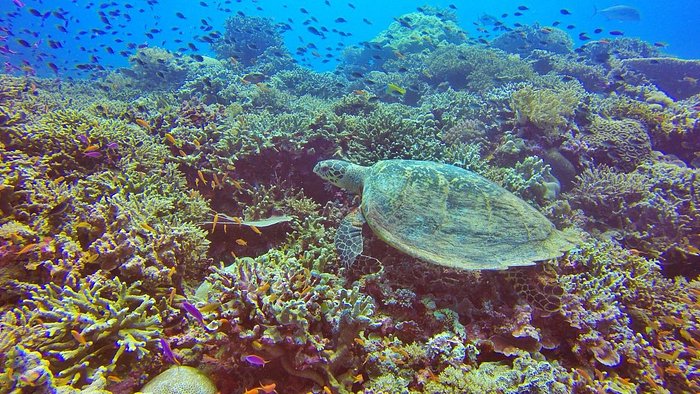
Diving in the waters of the Philippines at the Tubbataha site offers immersion in reefs listed as a World Heritage Site. This site attracts for the richness of its sharks, the density of its fish, and its preserved biodiversity.
The intact corals, majestic atolls, and the unique experience of a specialized cruise create an ideal environment for divers seeking underwater adventures. Access via Puerto Princesa guarantees an authentic discovery, far from overcrowded islands.
The major assets of Tubbataha Reefs
- diving on a UNESCO-listed site
- waters crystal clear with exceptional visibility
- Philippines as an essential destination
- Tubbataha accessible only by cruise
- coral reefs preserved
Which species and marine landscapes can be observed?
The marine life of Tubbataha impresses with its diversity, featuring grey sharks, white tips, hammerheads, and large turtles moving among the corals. Pelagic fish, manta rays, and Napoleon wrasses evolve in a sanctuary where conservation is a priority.
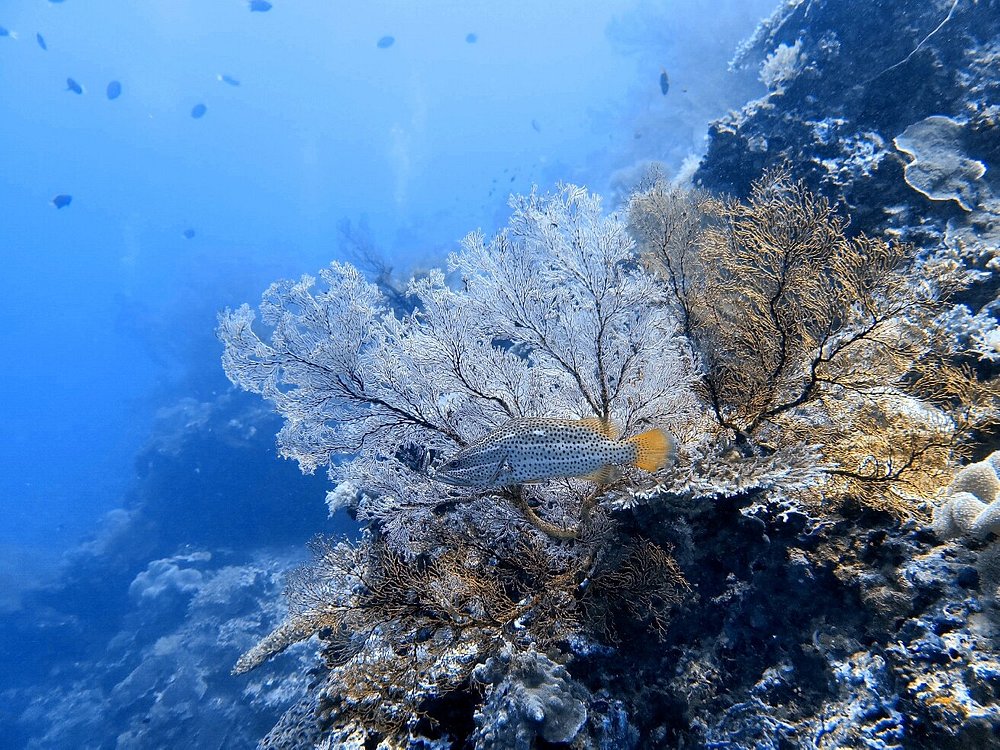
The site hosts more than 600 fish species, 374 varieties of corals, and exceptional fauna, from barracudas to pygmy seahorses. The reef’s flora, rich in gorgonians and sponges, completes this living picture of rare marine biodiversity.
Iconic species to observe
- sharks grey, hammerheads, white tips
- turtles green and hawksbill
- manta rays and Napoleon wrasses
- jacks, barracudas, snappers
- fish butterflies, angelfish, coachmen
- corals healthy and giant gorgonians
How to access Tubbataha Reefs and organize your stay?
Access to Tubbataha is exclusively from Puerto Princesa via a 6 to 7-day cruise. Divers board a boat designed for scuba diving, equipped to ensure comfort and safety.
The stay takes place in modern cabins, with an organization focused on site protection. The rangers present guarantee the conservation of the reefs, prohibiting any unauthorized activity to preserve biodiversity.
Key steps in preparing a stay
- Booking a specialized cruise
- Arrival in Puerto Princesa by domestic flight
- Boarding the dive boat
- Safety briefing and site presentation
- Organization of daily dives
What levels and skills are necessary to dive at Tubbataha?
The majority of dive sites at Tubbataha require confirmed experience. Divers must master buoyancy and be comfortable with strong currents, often present around the atolls.
A minimum of 50 dives is recommended, and most peer reviews suggest 100 dives to fully enjoy the wildlife and corals. The rangers and guides ensure safety and respect for conservation rules.
How is the protection of Tubbataha’s marine biodiversity exemplary?
The protection of Tubbataha relies on strict regulations and continuous monitoring by rangers. Fishing is prohibited, guaranteeing the preservation of marine biodiversity and coral reefs.
Each dive contributes to raising awareness about the conservation of fauna and flora. Respecting the guidelines, notably the prohibition of touching corals or marine life, makes this sanctuary an example for scuba diving.
During a dive at Donato’s Wall, a school of more than one hundred grey sharks was observed simultaneously, a rare spectacle even for scuba diving experts.
Quiz on Marine Biodiversity at Tubbataha Reefs
1. What type of site is classified at Tubbataha Reefs?
2. Which shark species can be observed at Tubbataha?
3. Approximately how many fish species are present at Tubbataha?
4. What is the main mode of access to Tubbataha Reefs?
5. Why is the protection of biodiversity at Tubbataha exemplary?
What unique experiences can you have on a diving cruise at Tubbataha Reefs?
The atmosphere of a diving cruise at Tubbataha is distinguished by the pace of explorations and the friendliness on board. Each day begins with a detailed briefing on the sites to discover, followed by several dives in crystal-clear waters. Divers share their observations of wildlife and biodiversity between meals, creating an atmosphere conducive to exchanges and the discovery of new horizons.
Life on board the boat is organized around reef protection. Waste management and the use of environmentally friendly products are systematic. Local guides raise awareness among each participant about the importance of conservation and respect for marine life, strengthening the collective commitment to marine biodiversity.
Highlights include night dives where the fauna reveals a completely different face. Corals open, predatory fish emerge, and turtles sleep peacefully on the sand. Observing schools of sharks or rays in the light of lamps remains a memorable experience for all participants.
The role of local guides in the experience
Philippine guides play a central role in the success of a diving trip to Tubbataha. Their knowledge of the sites, their ability to spot rare species, and their teaching skills guarantee safe and enriching dives. Their advice on buoyancy and currents allows each diver to move with ease in the heart of the fauna and corals.
Moments of relaxation and sharing on board
Between two dives, the common areas of the boat encourage relaxation and interaction. Meals based on local products, discussions about opinions on the explored sites, and underwater photography sessions punctuate the days. These moments strengthen the group’s cohesion and the shared passion for scuba diving.
- Observation of turtle nesting depending on the season
- Visit ranger stations to understand conservation efforts
- Supervised underwater photography sessions
- Meetings with marine biodiversity experts
- Discovery of traditional recipes on board
How to best prepare your equipment for a diving cruise at Tubbataha Reefs?
Preparing diving gear determines the success of a stay at Tubbataha. A wetsuit suited to the water temperature (between 26 and 29°C), a reliable dive computer, and signaling accessories are recommended. Waterproof lamps and safety sausages ensure safety and comfort during deep or night explorations.
Divers usually bring their own regulator and buoyancy compensator to guarantee the proper functioning of their equipment. Cruise boats offer equipment rental, but using personal gear is preferred for greater peace of mind. A repair kit and spare parts are also advised.
To preserve the reefs and marine life, it is advisable to choose biodegradable sunscreens and avoid any contact with corals. Waterproof bags and protective covers for cameras allow capturing biodiversity without risking the equipment. Careful preparation of the gear contributes to the success of every scuba dive.
Essentials not to forget
Besides the basic equipment, certain accessories optimize the experience: a dive logbook to record observations, a backup lamp, and a snorkel for surface breaks. Light clothing, sunglasses, and a hat protect during moments spent on the boat between dives.
Tips for preserving your equipment
After each dive, rinsing with fresh water and drying in the shade extend the lifespan of the gear. Guides emphasize the importance of checking the equipment’s condition before each outing and performing regular maintenance to avoid any failure. This rigor ensures calm and safe dives.
- Prepare a complete checklist before departure
- Favor equipment suited to currents
- Choose ecological protections
- Verify equipment compatibility with the boat’s gear
Why does Tubbataha Reefs remain an essential sanctuary for diving enthusiasts?
Choosing Tubbataha for a dive means experiencing an adventure at the heart of exceptional biodiversity, in a protected sanctuary where each immersion reveals the richness of species and the pristine beauty of the reefs. Divers enjoy a preserved environment, a friendly cruise, and the expertise of passionate guides, for unforgettable memories and an authentic experience of the Philippines.
Essential questions to prepare a dive at Tubbataha Reefs
What are the best months to dive at Tubbataha Reefs and why is this period preferred?
The diving season at Tubbataha Reefs runs from mid-March to mid-June, a period during which weather conditions are the most stable and the sea generally calm. Underwater visibility then reaches its maximum, allowing full admiration of the diversity of wildlife and corals. This limited window also restricts the number of visitors and helps preserve the site.
Is it possible to join a dive cruise alone and how is social life on board?
Joining a cruise solo offers the opportunity to share the experience with enthusiasts from around the world. The boats encourage integration through friendly common areas, group briefings, and shared meals. Exchanges around the dives, as well as activities organized on board, quickly create a group spirit and facilitate enriching encounters.
How are divers made aware of marine conservation during a stay at Tubbataha?
Throughout the stay, the team of guides and rangers offer workshops on local biodiversity and enforce a strict code of conduct to minimize environmental impact. Presentations on conservation issues, as well as explanations on the role of each observed species, reinforce ecological awareness. This educational immersion often transforms the way diving and the marine environment are approached upon returning from the trip.