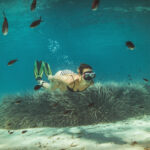
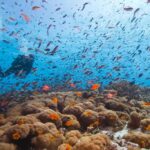
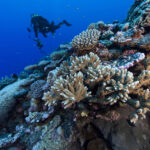
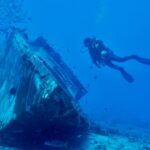
Wonder guaranteed in the face of the wild beauty of the Australian reefs, where marine life reveals itself in all its splendor. If you feel the call of adventure and dream of an extraordinary underwater experience, the diversity of sites, the richness of species, and the magic of shipwrecks will shake up your bearings.
But how to choose the perfect location, prepare your expedition, and respect the conservation of these fragile ecosystems? Through a precise analysis of key areas, practical tips, and recommendations drawn from years of travel, this narrative guides you to turn every dive into an unforgettable memory.
What are the must-see diving sites to explore in Australia?

Diving in Australia offers a unique immersion in world-renowned sites. Each area holds surprises, from the exceptional biodiversity of the Great Barrier Reef to the legendary wrecks of the SS Yongala. The marine experience in Australia is distinguished by the diversity of fish, rays, turtles, and sharks present at each site.
The Great Barrier Reef stretches over more than 2,900 reefs and 600 islands, hosting unparalleled marine biodiversity. The crystal-clear waters attract enthusiasts and beginners alike every year, captivated by the spectacle of corals and the discovery of multiple species. Wrecks like the SS Yongala enrich these areas with a captivating historical dimension.
Sites such as Lady Elliot Island, Tangalooma Wrecks, Kangaroo Island, Neptune Islands, or Ningaloo Reef rival in beauty. Each offers deep exploration of colorful reefs, wrecks, or caves. Mollusks, crustaceans, and other inhabitants of the seabed compose a living universe to discover during every expedition.
Main sites not to miss for a memorable experience

- Great Barrier Reef: incomparable coral and biodiversity
- SS Yongala: wrecks and giant fish
- Lady Elliot Island: manta rays and turtles
- Ningaloo Reef: whale sharks and fringing reef
- Neptune Islands: great white shark expedition
- Christmas Island: underwater cave and arch
Which iconic marine species can be encountered in Australia?
Australian marine biodiversity surprises with the abundance of tropical fish, multicolored corals, and majestic turtles. Reef sharks, manta rays, and rare mollusks are part of the spectacle offered at each site. Watching humpback whales or dolphins adds a magical dimension to the dives.
Crustaceans, nudibranchs, octopuses, and squids reveal themselves during underwater explorations. Wrecks serve as shelter for a multitude of species, promoting the conservation of marine life. Fringing reefs and natural arches offer spectacular refuges for wildlife.
The discovery of whale sharks, dugongs, or leafy sea dragons at certain sites remains possible depending on the season. Each expedition promises an unforgettable observation, from the formation of barracuda schools to the ballets of eagle rays. The marine natural park guarantees the preservation of these emblematic species.
Emblematic Marine Species to Observe During Your Dives
- Sharks: reef, hammerhead, whale, great white
- Turtles: green, hawksbill, loggerhead, leatherback
- Rays: manta, stingray, eagle
- Tropical Fish: clownfish, angelfish, butterflyfish, surgeonfish
- Mollusks and crustaceans: nudibranchs, crabs, shrimp
- Whales and dolphins, dugongs, leafy sea dragons
How to Choose a Site Suitable for Your Level and Expectations?
Diving in Australia suits all profiles, from beginners to experts. Some sites like Tangalooma Wrecks or Lady Elliot Island offer ideal conditions for a first underwater discovery thanks to their shallow depth and accessible reef. Deep wrecks or spectacular caves are aimed at experienced divers.
The choice depends on the area, the type of biodiversity sought, and visibility conditions. Some sites offer night exploration expeditions, drift diving, or cage diving with sharks. Accredited centers ensure training and safety, especially for freediving or technical diving.
The season, weather, and site depth influence the choice. The fringing reefs of Ningaloo or the Great Barrier Reef parks lend themselves to conservation and peaceful observation. The wrecks of Kangaroo Island or the arches of Christmas Island offer unique spectacles for exploration enthusiasts.
What Complementary Activities Enrich a Diving Expedition in Australia?
Each diving expedition is complemented by various activities such as snorkeling, kayaking, or bird watching. The white sandy beaches of coastal sites invite relaxation. Natural parks allow the discovery of wild animals such as kangaroos, quokkas, sea lions, or echidnas.
Ongoing training offered in accredited centers facilitates access to deep diving, freediving, or marine conservation. Cave, arch, or historic wreck explorations enrich the underwater experience. Fringing reefs offer unforgettable walks for the whole family.
Boat expeditions to reach isolated sites guarantee an authentic discovery of the Australian coastline. The spectacle of fish schools, coral formation, or whale watching punctuate each stay. Underwater photography enthusiasts find fascinating settings to capture in these areas.
On Christmas Island, the annual migration of red crabs offers a unique spectacle where the land is covered by millions of moving crustaceans.
Quiz: Discover Australia’s Spectacular Diving Sites
Which site is known for its coral reefs and exceptional biodiversity?
Which site is famous for its legendary shipwrecks like the SS Yongala?
Which site is best for observing whale sharks?
Which site offers underwater caves and arches for a unique exploration?
What Tips for Preparing Your First Dive in Australia?
Preparing an underwater expedition in Australia starts with checking your equipment and consulting local recommendations. Choosing a certified center ensures proper training and access to professional guidance for each site. Reef conservation conditions sometimes impose specific rules to follow to preserve marine biodiversity.
Planning your discovery includes selecting the area based on the season, visibility, and water temperature. Beginners favor fringing reefs or shallow wrecks, while enthusiasts of deep or cave diving opt for more technical sites. Ensuring good physical condition promotes a safe and enjoyable exploration.
Choosing the Best Time to Discover Australian Reefs
The ideal season varies depending on the area and type of diving sought. From May to October, visibility reaches its maximum on the Great Barrier Reef, offering a spectacle of corals and colorful fish. At Ningaloo, the whale shark observation period extends from April to July, while expeditions to southern wrecks are planned between November and March.
Certifications Required to Dive at Australian Sites
Most sites require an Open Water or Advanced certification, issued by recognized organizations. Deep or cave expeditions sometimes demand specific training. Local centers offer tailored courses to acquire the necessary skills for each underwater exploration.
Precautions to Take for Reef Preservation
Respecting reef conservation involves avoiding any contact with corals, not collecting species, and limiting the use of non-biodegradable sunscreens. Guides raise awareness about the impact of actions on marine biodiversity and encourage responsible observation of fish and turtles.
The Advantages of Guidance by Local Guides
Local guides share their knowledge of the sites, facilitate the discovery of hidden caves or arches, and ensure safety during expeditions. Their expertise allows for optimizing marine wildlife observation and fully enjoying each dive.
- Check your certification level before departure
- Choose the appropriate period for the targeted region
- Plan equipment that complies with local standards
- Familiarize yourself with reef preservation rules
- Inquire about weather conditions
Why is Australia a Preferred Destination for Diving?
The diversity of Australian marine sites, the abundance of biodiversity, and the richness of the reefs make this country a global reference. Access to unique expeditions, encounters with rare species, and the variety of underwater landscapes create an unforgettable experience for every enthusiast. Australia offers a natural spectacle, accessible to all levels, inviting discovery and continuous exploration.
Frequently Asked Questions to Succeed in Your Diving Adventure in Australia
Can you dive year-round in Australia and which regions should be favored according to the season?
The Australian continent benefits from such climatic diversity that diving is possible almost all year round. The tropical northern zones, such as Queensland and the Great Barrier Reef, offer excellent conditions from May to October, while the southern sites, notably around Kangaroo Island or Christmas Island, are at their best between November and March.
What types of accommodations should be favored to fully experience diving in Australia?
Australia offers a wide choice of accommodations adapted to the pace of divers, from ecological lodges on isolated islands to luxurious resorts by the reef. For total immersion, staying on a liveaboard (cruise boat) allows access to remote sites and multiple dives under privileged conditions. Travelers seeking authenticity can also opt for family accommodations with locals or in small local establishments, fostering encounters and discovery of the Australian way of life.
To discover other fascinating places to explore underwater, check out the 12 best snorkeling destinations in the world which also offer memorable aquatic experiences.