
Symbol of boldness and timeless connection, the Brooklyn Bridge fascinates with its majestic silhouette and the energy it breathes into the city. Feeling the vibration of New York by walking on its planks is to touch a piece of history where human ingenuity made it possible to bring together lives, neighborhoods, and dreams. In the face of urban density and the frantic pace, the need for authentic connection and architectural landmarks is felt. Understanding how this masterpiece established itself as a reference, how it has endured through the ages while adapting to the demands of modernity, raises the question of the preservation and evolution of major urban works. Follow the thread of this experience, between technical feats, cultural heritage, and contemporary challenges, to grasp the full significance of the Brooklyn Bridge in New York life.
How was the Brooklyn Bridge designed and built?
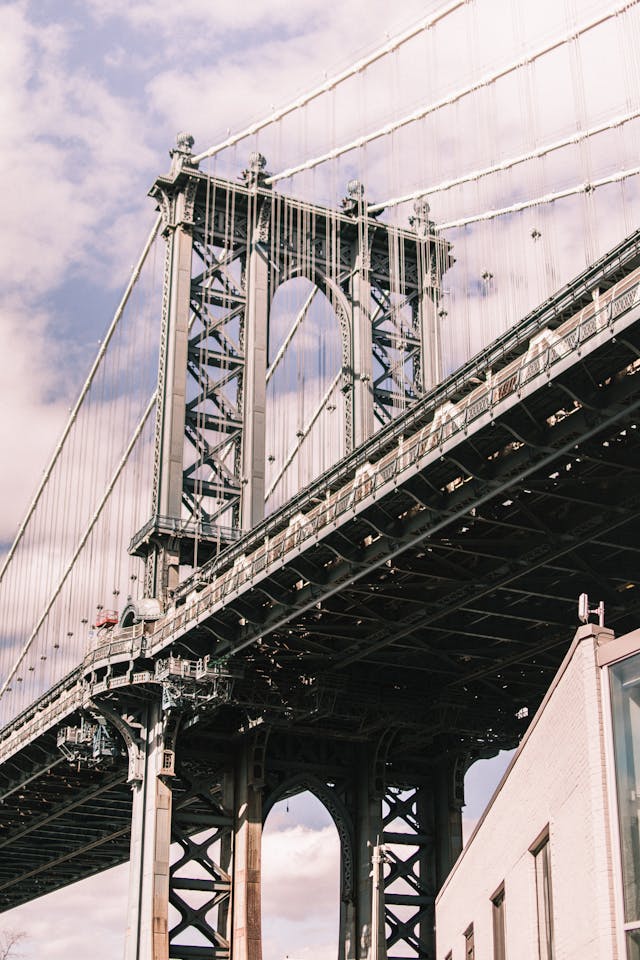
The Brooklyn Bridge represents an exceptional work, the result of visionary design. Its construction, which began in 1869, relied on the expertise of the Roebling firm, a pioneer in the design of civil and metal structures. John Augustus Roebling envisioned an innovative suspension structure connecting Manhattan to Brooklyn over the East River. The project required the employment of 600 workers and mobilized unprecedented technical resources for the time.
The bridge’s structural design is distinguished by its four galvanized steel cables, each measuring 5,657 meters, anchored to massive granite anchorages. Two imposing granite pylons rest on caissons submerged 35 meters deep, ensuring the support and stability of the entire structure. The main span reaches 487 meters, with a height of 84 meters, giving the edifice a monumental appearance.
The management of the construction site was marked by the tenacity of Washington Roebling and Emily Warren Roebling, who supervised safety and coordinated the work. Their involvement made it possible to overcome challenges related to underwater foundation techniques and risks to workers, making the bridge an example of a historic passage structure.
Key stages in the construction of the Brooklyn Bridge
- Start of work in 1869 under the direction of John Augustus Roebling
- Project takeover by Washington Roebling after the death of his father
- Use of the wooden caisson method for the foundations
- Installation of long galvanized steel cables
- Technical supervision by Emily Warren Roebling
- Official opening to the public on May 24, 1883
What technical and architectural innovations distinguish this structure?
The Brooklyn Bridge, as a crossing structure, is characterized by a neo-Gothic architecture marked by its two massive granite pylons and its slender arches. The use of galvanized steel cables, six times stronger than necessary, demonstrates remarkable structural stability, offering increased safety from the moment it was put into service.
The Triger process, based on blowing compressed air to work underwater, enabled the design and construction of secure foundations. This innovative method ensured the infrastructure’s longevity, even in the challenging conditions of the East River. The bridge was one of the first to include a central lane reserved for pedestrians and cyclists, anticipating the needs of modern urban mobility.
The initial structure had five lanes, including two for cars, two for the cable car, and a central one for pedestrians and cyclists, illustrating a design adapted to the diversity of users. The deck, located 44 meters high, offers a panoramic view of the city, enhancing the site’s tourist appeal.
The innovations that make the Brooklyn Bridge a masterpiece
- Connecting structure: Connects Manhattan to Brooklyn
- Architectural structure: Distinctive neo-Gothic style
- Metal structure: Galvanized steel cables
- Suspended structure: Innovative suspended design
- Architectural design: Granite pylons and slender arches
What role does the Brooklyn Bridge play in the history and culture of New York?
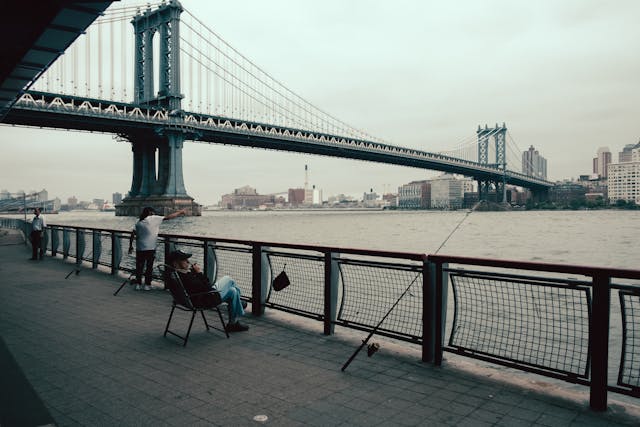
The historic structure of the Brooklyn Bridge has deeply marked New York’s urban evolution. Its construction symbolized the union of two cities once separated by a ferry, facilitating exchanges and the metropolis’s economic growth. Since its inauguration, it has served as an iconic structure and a landmark in the collective imagination.
The bridge has become a major tourist attraction, drawing millions of visitors each year who come to admire its architecture and enjoy its spectacular views of the East River. It has often been featured in films, artworks, and video games, reinforcing its status as a cultural icon. Its presence in creations such as Ken Burns’ documentary or the works of Georgia O’Keeffe testifies to its impact on artistic creation.
Designated a national historic monument since 1964, the urban engineering structure embodies the success of American civil engineering and remains a symbol of innovation and resilience. Landmark events, such as the Barnum circus elephant parade in 1884, illustrate the popular attachment to this monument and the trust placed in its solidity.
How does the Brooklyn Bridge integrate into daily life and the urban landscape?
The civil engineering structure of the Brooklyn Bridge occupies a central place in New York mobility. Two distinct levels now accommodate vehicles, pedestrians, and cyclists, facilitating the bridging between neighborhoods. Its width of 26 meters and total length of 1,825 meters allow a continuous flow, meeting the needs of a dynamic metropolis.
The bridge integrates harmoniously into the urban environment thanks to its technical and structural design. The materials used, such as granite and galvanized steel, ensure optimal resistance to weather and time. The pedestrian walkway offers a unique panorama of the Manhattan skyline, making the bridge a privileged place for walks and contemplation.
Over the years, the structural design of the Brooklyn Bridge has maintained its role as a passage and connection structure, while becoming a living and meeting space for residents and visitors. Its integration into the urban fabric reflects the evolution of New York and the importance of preserving heritage structures.
At the inauguration, Emily Warren Roebling crossed the bridge on horseback, symbolizing the place of women in the history of American engineering.
Quiz: Discover the history and architecture of the Brooklyn Bridge
Who designed the Brooklyn Bridge?
What innovative method was used to work underwater during construction?
What architectural style characterizes the Brooklyn Bridge?
In what year was the Brooklyn Bridge opened to the public?
What is the total length of the Brooklyn Bridge?
How does the Brooklyn Bridge influence modes of transportation and the urban experience?
The Brooklyn structure transforms urban mobility by its ability to connect two major hubs of New York. The diversity of users, from cyclists to pedestrians, benefits from infrastructure designed for shared space. The elevated central lane, reserved for soft traffic, offers a unique and secure experience, reinforcing the role of the structure as a passageway in a dense urban context.
Walking on the Brooklyn Bridge has become a must-do activity for residents and visitors. The panoramic view of Manhattan and the Statue of Liberty attracts thousands of people every day. This tourist structure contributes to the city’s attractiveness and enhances the human dimension of the urban landscape.
The impact on the local economy
The presence of the bridge design structure stimulates commerce and services in the neighboring districts. Restaurants, shops, and markets benefit from the constant influx of visitors. The accessibility enhanced by the crossing structure design promotes economic dynamism and encourages the development of new activities.
The social and community dimension
The urban structure design of the Brooklyn Bridge serves as a gathering place and cultural expression. Many events, such as commemorative marches or artistic demonstrations, regularly take place there. This iconic structure design strengthens the sense of belonging to the New York community.
The evolution of New York urban architecture
The influence of the architectural design of the Brooklyn Bridge is reflected in the city’s development. Its neo-Gothic style inspires the construction of other major infrastructures. The innovations introduced in this civil engineering structure design serve as a reference for contemporary civil engineering projects.
Challenges of preservation and maintenance
The maintenance of the safety structure design requires regular interventions. Specialized teams monitor the condition of the cables, deck, and pylons to ensure the longevity of the structure. Managing tourist traffic also requires adaptations to preserve the quality of the experience and the stability structure design.
- Continuous adaptation of infrastructures to meet demographic growth
- Enhancement of architectural and historical heritage
- Promotion of soft and sustainable mobility
- Organization of cultural events on the bridge
- Development of local tourist services
Why does the Brooklyn Bridge still fascinate so much today?
The Brooklyn structure embodies a symbol of technical boldness and an unalterable social link. Its history, silhouette, and ability to evolve with the city continue to inspire admiration. Crossing this iconic structure design allows one to feel the power of human ingenuity and the spirit of openness that characterizes New York. This monument inspires travelers seeking crossing structure designs and authentic experiences, inviting everyone to discover the city from a unique and timeless perspective.
Essential questions about the Brooklyn Bridge for curious travelers
What are the best times of day to cross the Brooklyn Bridge and enjoy the view?
Crossing the bridge early in the morning or at sunset offers a particularly pleasant experience. The low light enhances the granite arches and the Manhattan skyline, while the crowds remain moderate, allowing you to fully appreciate the panorama and the unique atmosphere of the place.
Can you discover lesser-known aspects of the bridge during a walk or bike ride?
A walk or bike ride reveals fascinating details, such as commemorative plaques honoring the builders, as well as original perspectives on the neo-Gothic architecture. Some corners of the deck also allow you to feel the city’s buzz while taking a contemplative break above the East River.
Are there any anecdotes or legends surrounding the construction of the Brooklyn Bridge?
The bridge is surrounded by unique stories, such as the elephant parade organized to reassure the public about its solidity. The decisive role of Emily Warren Roebling, who supervised the construction after her husband’s illness, also embodies the determination and pioneering spirit that marked the realization of this iconic structure.
To deepen your discovery of great human achievements, after exploring the history, architecture, and symbolism of the Brooklyn Bridge in New York, you can also take an interest in the wonders of the underwater world thanks to this guide to the most beautiful diving spots, to travel between urban heritage and aquatic treasures.
Related posts:
 Villa Comporta alma da Comporta, immersion in luxury and nature in the heart of the Comporta region
 Road trip Canada practical tips for exploring the most beautiful landscapes and regions
 What to do in Bastia for an authentic experience between heritage, beach, and water activities?
 Visit Dorgali between beaches, mountains, archaeological sites, and exceptional natural heritage