
Stroll through the alleys of Heraklion and let yourself be captivated by the Cretan vibe, where every step reveals a millennial history, authentic flavors, and unforgettable encounters. You dream of experiencing local life, admiring architectural treasures, and savoring home-style cuisine in a human-sized city. Walking in Heraklion offers a total immersion, away from the crowds, between heritage, crafts, and friendly atmospheres. Get ready to follow an itinerary that combines must-see sites, culinary experiences, and lesser-known neighborhoods for a visit that will change your perspective on Crete.
Which must-see sites should you prioritize during a walking tour in Heraklion?
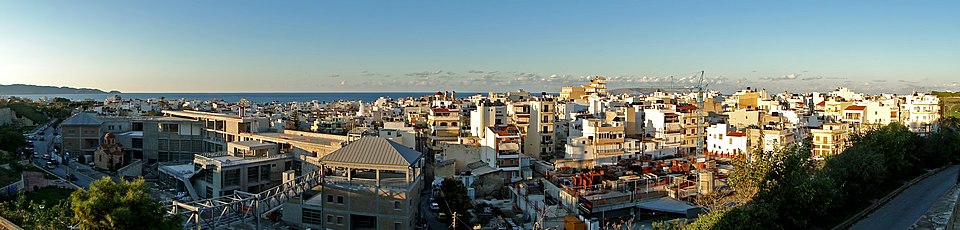
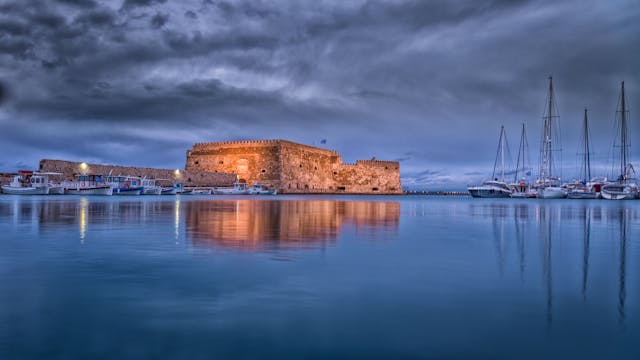
Heraklion city center offers an immersion into history with major monuments. As you walk through the city, you will discover iconic buildings, all accessible on foot and spread over a small area. The Koulès fortress overlooks the Venetian port and offers a view of the Aegean Sea, while the nearby archaeological museum displays unique Minoan treasures.
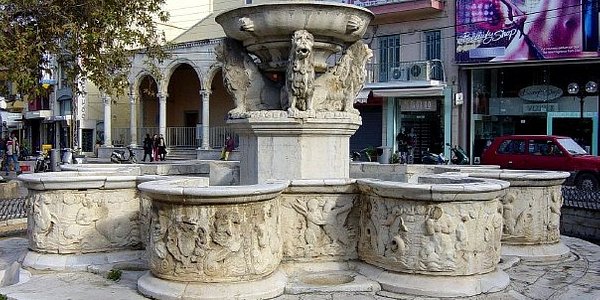
The walking route includes Saint Titus Square, Saint Mark’s Basilica, and the Morosini Fountain, sites where historical architecture meets the local atmosphere. The alleys of the city center reveal a Cretan ambiance where typical dining invites you at every street corner, ideal for a tasty break between activities.
List of must-see sites
- Heraklion Archaeological Museum
- Venetian Fortress of Koulès
- Saint Titus Square and Church
- Saint Mark’s Basilica and Art Gallery
- Morosini Fountain
What is the best time to visit Heraklion on foot?
The ideal visiting season extends from April to October to enjoy a mild Mediterranean climate and a lively city. From June to September, the city attracts more visitors, but the friendly and Cretan atmosphere remains intact, offering an authentic experience for every family, group, couple, or solo traveler.
From November to March, the city offers enhanced accessibility with fewer tourists and cooler weather. Some sites may limit their hours, but walking remains pleasant and allows you to enjoy a calmer, more local and artisanal experience.
Recommended periods and characteristics
- April to October: mild weather, outdoor dining, lively market
- June to September: high attendance, festive Cretan atmosphere
- November to March: mild climate, tranquility, easy access to historical sites
Which museums and monuments illustrate the city’s historical heritage?
The Heraklion Archaeological Museum gathers 5,500 years of Minoan and archaeological history, displaying major pieces such as the Phaistos Disc and the frescoes from the Palace of Knossos. This museum is an essential stop to understand the richness of Cretan and Greek heritage.
The Koules Fortress, the Historical Museum of Crete, and the Basilica of Saint Mark illustrate the city’s historical diversity. These sites allow visitors to grasp the local evolution through the ages, from the Middle Ages to the contemporary period, fostering an authentic and educational visit.
How to organize a walking tour for an optimal experience?
Planning a 4 to 5-hour visit is enough to explore the main sites on foot. It is recommended to start with the Archaeological Museum, then follow a route connecting the Koules Fortress, Saint Titus Square, Morosini Fountain, and the lively neighborhoods of the city center.
Adapt the route according to your desires: morning market, gourmet break in a family tavern, or artisanal discovery in local shops. Wear comfortable shoes, bring water, and enjoy green spaces or terraces to rest in a friendly atmosphere.
Practical tips for a successful visit
- Start early to enjoy the sites without crowds
- Favor pedestrian streets and typical neighborhoods
- Take breaks in local or Cretan cafés
- Visit markets for a gourmet experience
- Adjust the pace according to the group or family
What culinary and artisanal experiences to discover in Heraklion?
Mediterranean and Cretan cuisine holds a central place in Heraklion. Authentic taverns offer typical dishes such as moussaka, dakos, artisanal cheeses, and family pastries. Taste the market products for a gourmet immersion in the local culture.
The artisanal shops in the city center offer a selection of Cretan souvenirs: pottery, jewelry, olive oils, and aromatic herbs from the Greek terroir. These experiences enrich the visit and promote the discovery of family know-how passed down through generations.
Specialties and products not to be missed
- Cretan and artisanal cheeses
- Local olive oils
- Gourmet family pastries
- Typical Mediterranean dishes
- Artisanal objects and authentic souvenirs
The Phaistos Disc, displayed at the Heraklion Archaeological Museum, remains one of the greatest undeciphered mysteries of the Minoan civilization.
Quiz: Explore Heraklion between history and local flavors
Which iconic site offers a view of the Aegean Sea in Heraklion?
Which museum allows you to discover Minoan treasures such as the Phaistos Disc?
What is the best period to visit Heraklion on foot while enjoying mild weather?
Which less frequented neighborhood allows you to discover murals and artists’ workshops?
Which Cretan culinary specialty is typically served in Heraklion tavernas?
To extend the experience of discovering Crete after choosing to visit Heraklion on foot between history and local flavors, do not hesitate to also explore the island’s underwater wonders thanks to this comprehensive guide on diving in Crete which will reveal another fascinating facet of the region.
How to explore the lesser-known neighborhoods of Heraklion on foot for a different experience
Discovering the less frequented neighborhoods of Heraklion allows access to an authentic atmosphere away from tourist routes. The Lakkos neighborhood, a few minutes from the city center, reveals murals, artists’ workshops, and cafes with a local vibe. The cobbled streets offer a peaceful walk, ideal for lovers of Cretan culture who want to soak up daily life.
The Mastaba neighborhood, south of the city, charms with its traditional houses and artisan shops. Here, neighborhood markets offer family products from the Cretan terroir. Encounters with locals add a friendly dimension to the visit, encouraging exchanges about traditions and local specialties.
Exploring these neighborhoods on foot guarantees full accessibility and immersion in a gourmet and artisanal atmosphere. The small squares often house typical tavernas where Mediterranean cuisine is revealed through simple and tasty dishes. This approach offers a complete vision of the city and its way of life.
Discovering traditional markets
The city’s markets are a must to appreciate Cretan diversity. The central market is full of artisanal products, local fruits and vegetables, as well as renowned cheeses and olive oils. Strolling through these aisles allows you to grasp the family spirit and the richness of Mediterranean gastronomy.
Artistic and Cultural Walks
Walking tours in the artistic neighborhoods reveal galleries, workshops, and murals that testify to the cultural vitality of Heraklion. Urban art blends with Greek and Cretan traditions, offering a rich visual experience and a new perspective on the city.
- Lakkos District: urban art and local atmosphere
- Mastaba: traditions and family markets
- Central Market: artisanal products and gourmet specialties
- Cultural walks: galleries and workshops
Why prioritize walking to discover Heraklion and its culture
Walking offers optimal accessibility to all historical sites and authentic neighborhoods of Heraklion. Moving on foot allows you to feel the rhythm of the city, observe architectural details, and spontaneously stop at a typical tavern or a family café. This approach encourages encounters with locals and exploration of lesser-known places.
Practical FAQ for an authentic exploration of Heraklion on foot
What souvenirs to bring back from Heraklion to extend the Cretan experience?
You will find unique items in the artisanal shops downtown such as pottery, locally pressed olive oil, jewelry inspired by Minoan art, and aromatic herbs from the region. These souvenirs embody family craftsmanship and allow you to bring an authentic touch of Crete home with you.
How to avoid crowds when visiting historical sites in Heraklion?
Favor a visit early in the morning or late in the afternoon, when groups are less present. Major sites like the archaeological museum and the Venetian fortress are more pleasant to discover outside peak hours, thus offering a calmer access and a deeper immersion in local history.
Are there guided walking tours suitable for families or art lovers?
Local guides offer thematic tours accessible to all, whether with family or for art enthusiasts. These personalized walks focus on history, urban art, and gastronomy, while adapting the pace to the group’s desires. Being accompanied by a local enriches the discovery with anecdotes and advice.
Related posts:
 Diving in Malta: the 10 best sites, level by level
 Ouisncf the train booking platform in France and Europe and comparison of the best options
 An immersive journey through the history and culture of Emilia Romagna in Italy
 What to do in Beaune to experience a unique journey through wines, history, culture, and gastronomy?