
Authentic travel, memorable encounters, spectacular landscapes: every moment in Kalambaka disrupts routine and invites you to feel the intensity of a total immersion. Faced with the pressure of mass tourism and the difficulty of preserving the magic of the place, it becomes challenging to find a balance between respect for heritage and the pleasure of discovery. I invite you to step into the daily life of a town where spirituality, raw nature, and human richness combine to offer an unforgettable stay. Together, we will explore the geographical landmarks, historical roots, architectural treasures, and living traditions that shape the soul of Kalambaka, in order to better understand how to appreciate this gem without altering its authenticity.
Where is Kalambaka located and what is the importance of its location?
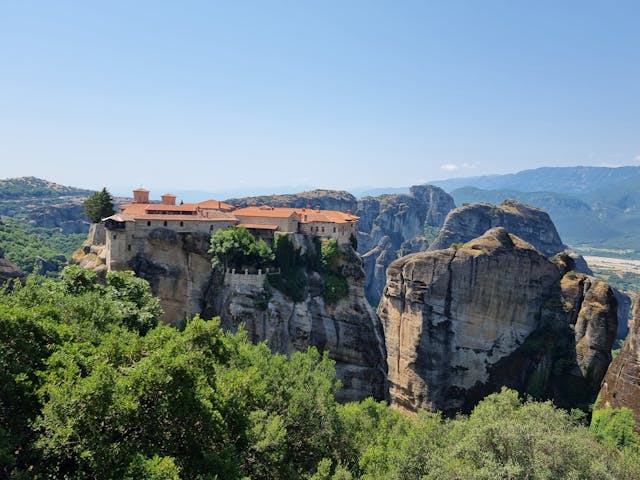
Kalambaka occupies a strategic position in the heart of Thessaly, on the border between Macedonia and Thessaly, 350 kilometers from Athens and 238 kilometers from Thessaloniki. The town covers an area of 277.1 square kilometers and is the seat of the Meteora municipality, an essential starting point for exploring the region.
The location of Kalambaka at the foot of the spectacular cliffs of the Meteora massif, crossed by the Pineios river, gives the town a unique atmosphere, where geography shapes the entire landscape and attracts visitors every year who come to admire the exceptional geological formation and the richness of its heritage.
Essential geographical landmarks
- Kalambaka: Town at the foot of the Meteora
- Region: Thessaly, Trikala district
- Location: Between Athens and Thessaloniki
- Landscape: Sandstone cliffs, Pineios river
What are the historical elements that shape Kalambaka?
The history of Kalambaka dates back more than 130,000 years, evidenced by the Theopetra cave, one of the oldest prehistoric sites in Greece. During Antiquity, the town was called Aiginion, then Stagoi in the Middle Ages, a period when it became a Byzantine fortress and an influential bishopric, before coming under Serbian and then Ottoman rule.
Over time, Kalambaka experienced significant episodes, such as its role as a fortress under the Byzantines, its reconstruction after World War II, and the merger of its episcopal metropolis with Trikala, followed by its modern restoration. This rich history is reflected through the remains of temples, churches, and monasteries that bear witness to the culture and spirituality of the region.
Historical timeline of Kalambaka
- History: Theopetra cave, major prehistoric site
- Town: Ancient Aiginion, Byzantine Stagoi
- Fortress: Defensive and religious role
- heritage : Temples, churches, monasteries
- reconstruction : After the Second World War
What makes the geology and formation of the Meteora unique?
The geology of Kalambaka is distinguished by sandstone cliffs formed over millions of years by erosion and tectonics, giving rise to the spectacular site of the Meteora. This natural formation allowed the construction of monasteries perched on the rocks, creating an exceptional landscape recognized by UNESCO.
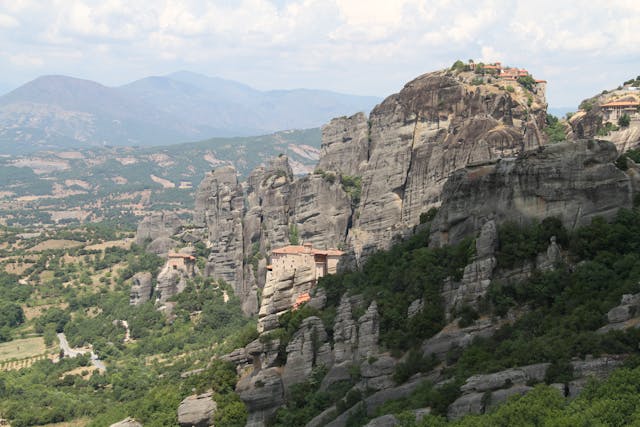
The steep cliffs, remnants of an ancient delta, offer an impressive view of the region and shelter a diverse fauna and flora, making Kalambaka a prime spot for nature lovers, hikers, and contemplators.
Which monasteries and places of worship can be visited in Kalambaka?
The monasteries of the Meteora represent an exceptional ensemble of religious and architectural heritage, with buildings such as the Monastery of the Transfiguration, the Monastery of Saint Nicholas Anapafsas, and the Great Meteora. These sanctuaries, built between the 11th and 18th centuries, are famous for their unique architecture and the richness of their relics.
Besides the monasteries, the town preserves many places of worship, including Byzantine churches, a historic abbey, basilicas, and sanctuaries, testifying to the depth of local spirituality and the continuity of religious traditions in the region.
How to fully enjoy a visit to Kalambaka and the Meteora?
The visit to Kalambaka begins with exploring the perched monasteries, accessible on foot or by shuttle, offering a spectacular view of the cliffs and the valley. Several hiking trails connect the different sites, allowing discovery of the fauna, flora, and natural beauty of the Meteora.
For a comfortable stay, the town offers a wide range of hotels, traditional accommodations, and family inns, often located near the major sites. Local culinary specialties such as homemade pies, cheese, yogurt, and wine provide a gourmet immersion into the culture of the region.
A stone of the Great Meteora bears the mark of the climbing rope used by the first monks to reach the monastery.
Quiz: Discover Kalambaka and Its Wonders
Where is Kalambaka mainly located?
What is the exceptional geological site in Kalambaka?
The sandstone cliffs of Meteora
Which famous monasteries can be visited in Kalambaka?
What activity is ideal for discovering the Kalambaka region?
Which cultural event is particularly important in Kalambaka?
Located at the foot of the impressive rocky peaks of Meteora, Kalambaka captivates with its spectacular panoramas, its hanging monasteries listed as UNESCO World Heritage sites, and its cultural richness. And if you wish to explore other natural wonders around the world, discover our selection of exceptional scuba diving destinations on this site dedicated to aquatic exploration enthusiasts, where each place reveals a unique facet of Earth’s beauty.
What cultural events and traditions shape life in Kalambaka?
Local culture is expressed through numerous religious festivals and popular events. Orthodox celebrations, such as Easter or the Feast of the Transfiguration, bring the community together around the monasteries and places of worship. These events offer visitors an immersion into the spirituality and ancestral customs of the town.
Weekly markets enliven the streets of Kalambaka and showcase local crafts, regional products, as well as culinary specialties of the area. The presence of musicians, traditional dances, and folk performances helps to reveal the richness of Thessaly’s living heritage.
Festivals dedicated to the fauna and flora of Meteora raise awareness about environmental preservation and highlight the natural diversity of the site. These gatherings promote exchanges between residents and travelers while strengthening the identity of the town and its surroundings.
Discovering local craftsmanship
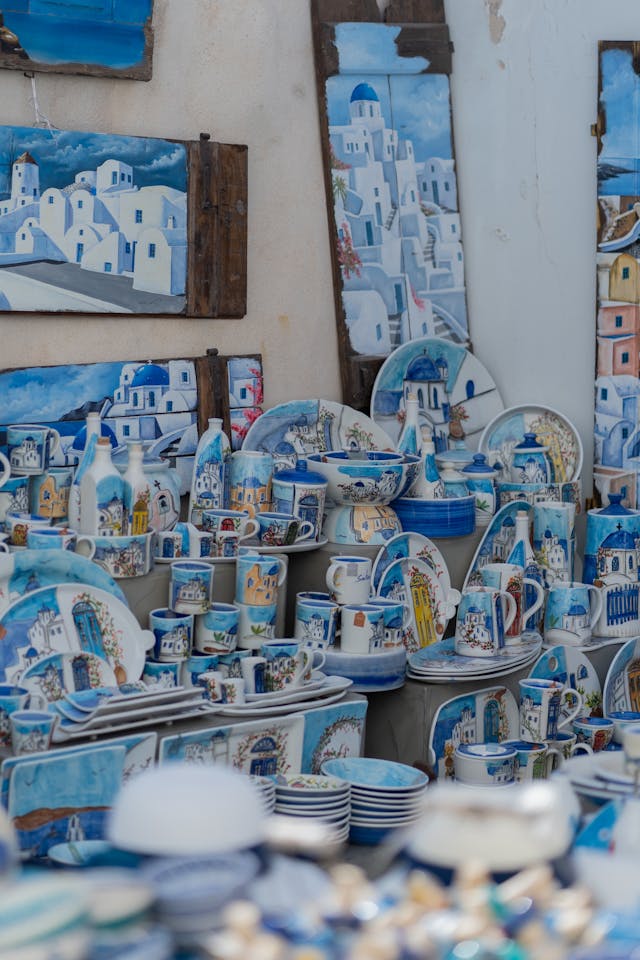
Workshops in pottery, weaving, and rock carving perpetuate skills passed down from generation to generation. The handmade objects, inspired by the cliffs and monasteries, make authentic souvenirs and reflect the creative spirit of the region.
Gastronomy and Flavors of Kalambaka
The local table offers typical dishes such as moussaka, grilled meats, stuffed vegetables, and aged cheeses. The town’s restaurants highlight family recipes and products from mountain agriculture, offering a unique tasting experience in a remarkable landscape setting.
- Participation in religious and popular festivals
- Visit to local producers’ markets
- Traditional craft workshops
- Tasting of culinary specialties
- Discovery of folk music and dances
Why Does Kalambaka Attract Travelers Seeking Authenticity?
The appeal of Kalambaka lies in the rare combination of historical heritage, spectacular monastic architecture, and preserved nature. Visitors find here an atmosphere of spirituality and hospitality that encourages respectful exploration of the sites and encounters with locals. This place serves as an ideal gateway to discover the hidden treasures of the region and live memorable experiences, far from the beaten path.
Frequently Asked Questions for an Authentic Immersion in Kalambaka
Can you discover Meteora outside the classic tourist circuits?
There are several less frequented hiking trails winding between the cliffs that allow access to secret viewpoints, away from the crowds. These paths offer the opportunity to observe local wildlife and enjoy a peaceful atmosphere, ideal for photography enthusiasts or those seeking a moment of contemplation.
What unusual experiences can you have in Kalambaka to immerse yourself in the local culture?
Participating in a pottery or traditional weaving workshop with a local artisan allows you to interact with the inhabitants and learn the techniques passed down through generations. Some accommodations also offer shared meals where you can taste family dishes, thus creating a direct connection with the daily life of the region.
How to enjoy a family visit in the Meteora region?
Families can combine the discovery of the monasteries with suitable nature activities, such as bird watching, walks in the surrounding forests, or a fun visit to the Theopetra cave. Several local guides offer tailor-made tours for both young and old, ensuring an experience that is both enriching and accessible.
Related posts:
 Trip to Saint Martin immersion between paradisiacal beaches and unique Franco-Dutch culture
 Weather and temperatures in Tenerife in February between mild climate and ideal sunshine
 What to do in Jakarta to explore its neighborhoods, museums, monuments, and experience a unique cultural adventure
 Roses Spain between beaches, coves, and exceptional heritage on the Mediterranean bay of the Costa Brava