
Total escape, wild beaches and preserved nature: Koh Lanta fascinates those who seek to escape the routine, tired of crowds and marked itineraries. Let yourself be carried away by the scent of adventure, authentic encounters, and cultural diversity that transform every moment. Faced with the pressure of mass tourism, it becomes difficult to find a place where one truly feels elsewhere, in harmony with oneself and the environment. To combine authenticity, comfort, and a unique experience, it is advisable to plan your stay in advance, select the right accommodations, open yourself to the local culture, and immerse yourself in the island’s natural richness. This story offers you a thoughtful approach to preparing a trip that will leave a lasting mark on your memory.
Where exactly is the Koh Lanta archipelago located and how to easily get there?
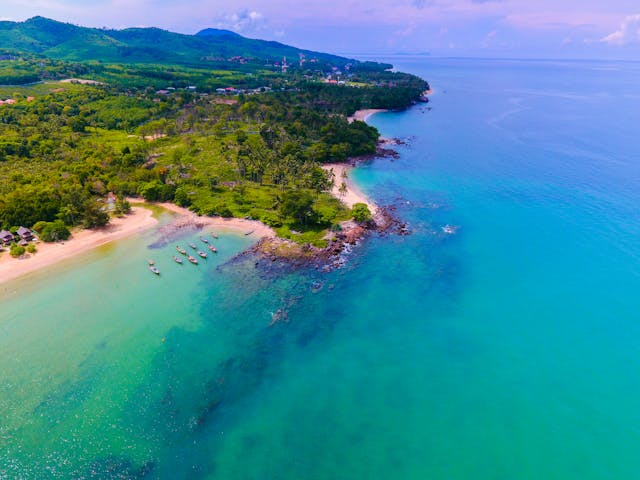
Koh Lanta is located in the southwest of Thailand, in Krabi province, in the heart of the Andaman Sea. The archipelago includes two main islands, separated by a mangrove: Koh Lanta Noi to the north and Koh Lanta Yai to the south, the latter concentrating the majority of tourism infrastructure and accommodations.
Access is via the airports of Krabi, Phuket, Trang, or Hat Yai, followed by a transfer by van, bus, taxi, or ferry. Since 2016, a bridge connects the two islands, facilitating travel between Koh Lanta Noi and Koh Lanta Yai, making the discovery of this island even more accessible.
Main means of transport to reach Koh Lanta
- Domestic flights to Krabi, Phuket, or Trang
- Transfers by van or bus from the airports
- Ferry or speedboat connections from Krabi, Phuket, Trang
- Scooter or bicycle rental on the island
What landscapes and beaches to discover in Koh Lanta?
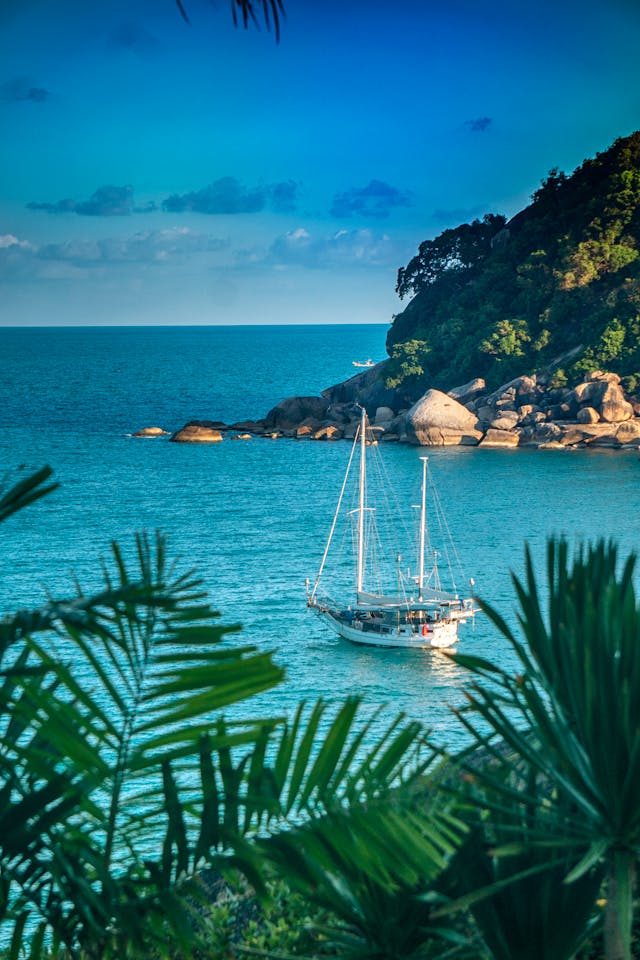
The nature of Koh Lanta is characterized by limestone mountains covered with tropical forest, wooded hills, rubber plantations, and dense tropical vegetation. The white sandy beaches lined with palm trees offer a spectacular panorama, notably Klong Dao, Pra-Ae (Long Beach), Klong Nin, or Kan Tiang.
The crystal-clear waters invite relaxation and discovery of marine wildlife. Caves such as Khao Mai Kaew and coral reefs enrich the experience, as do the mangroves and small fishing villages scattered across the island.
Beaches and natural sites not to be missed
- Beaches of Klong Dao, Pra-Ae, Klong Nin, Kan Tiang
- Cave of Khao Mai Kaew
- Mangrove and forests of Lanta
- Viewpoints on the wooded hills
What water activities and underwater experiences can you enjoy in Koh Lanta?
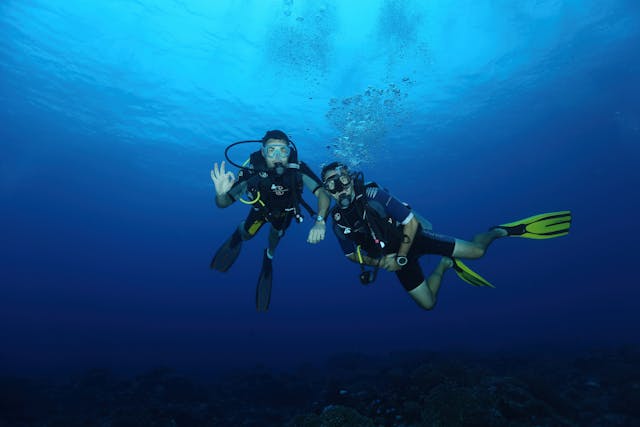
Koh Lanta is a paradise for diving and snorkeling, especially around the Hin Daeng and Hin Muang sites, world-renowned for their exceptional marine life. The reefs are home to sharks, manta rays, turtles, and sometimes whale sharks, accessible via boat trips of about two hours.
Water activities also include kayaking in the mangrove, paddleboarding on the turquoise waters, and excursions to nearby islands such as Koh Haa or Ko Rok, a national park site, to explore the underwater richness and the beauty of wild beaches.
Must-try aquatic experiences in Koh Lanta
- Diving at Hin Daeng and Hin Muang
- Snorkeling at Koh Haa or Ko Rok
- Kayaking in the mangrove
- Paddleboarding on the turquoise waters
How do culture and religion shape the atmosphere of Koh Lanta?
The local culture reflects a unique diversity, with a Muslim majority, and Buddhist and Chinese presence. The harmonious coexistence between these communities shapes the authentic atmosphere of the fishing villages and the Ban Saladan market, while preserving traditions.
Religion influences the pace of life, festivals, and customs. The local cuisine, colorful and varied, draws from multiple influences, offering visitors an immersion into the cultural richness of island Thailand.
What historical testimonies and impact has the show Koh-Lanta had on the island?
The history of Koh Lanta is reflected in Lanta Old Town, a former fishing village with stilt houses, marked by the arrival of different communities. The region was also affected by the 2004 tsunami, which helped strengthen local solidarity.
The French show Koh-Lanta, filmed in 2001 in the Mu Ko Lanta National Park, highlighted the island’s wild beauty and its beaches, attracting many visitors curious to discover the postcard landscapes seen on television.
Historical and cultural sites to explore
- Lanta Old Town and its wooden houses
- Ban Saladan market and port
- Visit to traditional fishing villages
- Discovery of local temples and mosques
The bridge connecting Koh Lanta Noi to Koh Lanta Yai has transformed the lives of residents by facilitating daily exchanges between the two islands.
Koh Lanta Quiz: Dive into the Thai Island!
Where exactly is the Koh Lanta archipelago located?
How can you easily access Koh Lanta?
Which infrastructure facilitates travel between the two main islands?
What landscapes characterize Koh Lanta?
Deserts and arid plains
Steppes and meadows
Which water activity is particularly renowned in Koh Lanta?
Competitive sailing
Which cultural aspect influences the atmosphere of Koh Lanta?
Western culture
Which historical site is emblematic of Koh Lanta?
The Wat Arun temple
What is the best time to visit Koh Lanta?
In December only
Why does Koh Lanta appeal to nature lovers?
Because it has no vegetation
Related posts:
 Blablacar carpooling and bus platform for an economical and secure trip in Europe
 Skyscanner the flight comparison platform for economical and flexible travel booking
 What to do in Bastia for an authentic experience between heritage, beach, and water activities?
 Housetrip the vacation rental platform to book safely worldwide