
Majestic cliffs, changing light, and rare biodiversity: the Opal Coast awakens a deep emotion in those who dream of escaping far from overcrowded circuits. When seeking to feel the authenticity of a still preserved coastline, the striking contrasts between wild beaches and wind-sculpted landscapes invite you to slow down, observe, and feel.
However, it is not always easy to know how to fully enjoy this natural wealth without missing what makes the place magical. To answer this quest, it is necessary to approach the Opal Coast through its must-see natural sites, unique ecosystems, and local experiences, while sharing practical advice to organize a memorable and environmentally respectful stay.
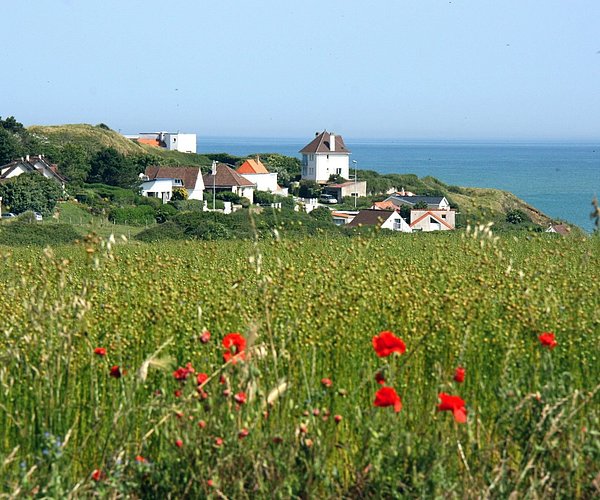
What landscapes and natural elements make the Opal Coast so unique?
The Opal Coast offers a succession of impressive cliffs, fine sandy beaches, and vast dunes stretching over more than one hundred kilometers. Cap Gris-Nez and Cap Blanc-Nez dominate the coastline, revealing chalk and limestone walls rising facing the sea, offering exceptional panoramic views of the horizon.
The changing landscape of the Opal Coast fascinates with its colors and unique light, inspiring artists, photographers, and travelers seeking preserved nature. The waters of the English Channel, subjected to currents and wind, continuously sculpt the environment and create a mosaic of ecosystems rich in biodiversity.
Natural elements not to be missed
- Cliffs of spectacular white and gray chalk
- Beaches of fine sand ideal for relaxation
- Wild dunes perfect for hiking
- Cap Gris-Nez and Blanc-Nez for unparalleled views
- Marshes and estuaries serving as refuges for diverse wildlife
How does the Opal Coast stand out through its biodiversity and ecosystems?
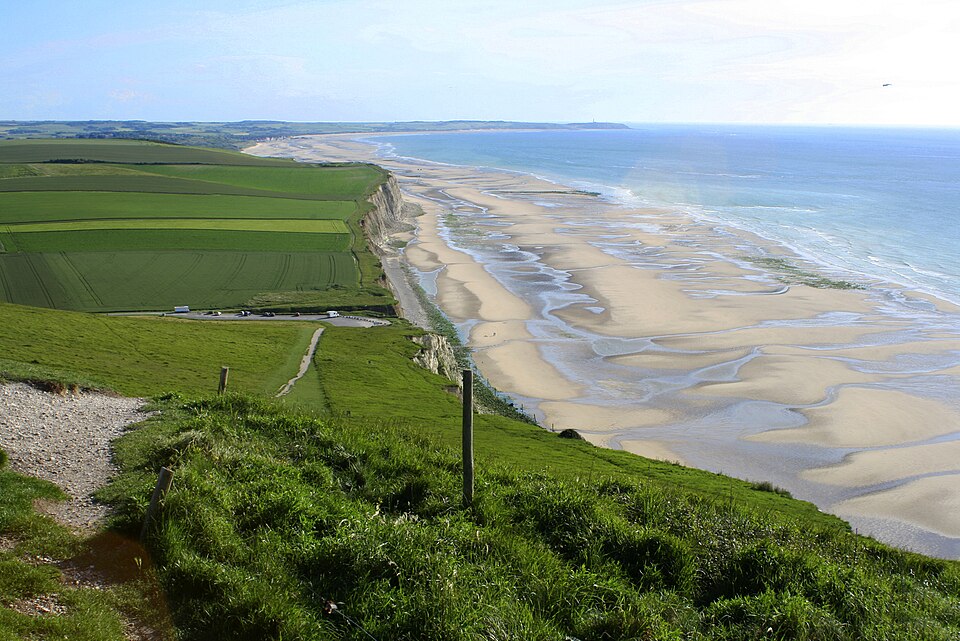
Nature here shelters remarkable biodiversity, with a multitude of migratory birds observable in spring and autumn. The local fauna and flora benefit from a preserved environment, where marine animals, seal colonies, and rare plant species coexist in the dunes and marshes.
The temperate climate, influenced by changing weather and often spectacular skies, promotes the proliferation of rich and varied ecosystems. The chalk promontories and wetlands constitute privileged spaces for nature observation and biodiversity discovery.
Examples of species and ecosystems present
- Migratory birds such as terns and gulls
- Marine fauna with seals visible in summer
- Flora specific to dunes and marshes
- Terrestrial animals adapted to the oceanic climate
Which towns and seaside resorts to explore along the Opal Coast?
The main towns and seaside resorts such as Boulogne-sur-Mer, Calais, Le Touquet-Paris-Plage, Dunkirk, and Wimereux offer a unique experience of the Opal Coast. Each locality has its own identity, between lively beaches, traditional markets, and historic neighborhoods bathed in light.
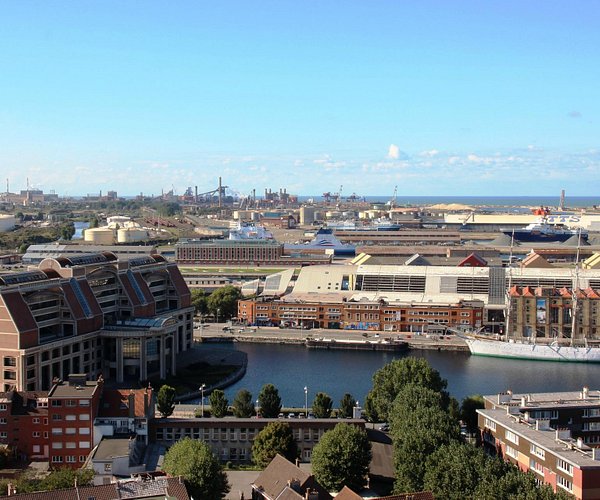
Small resorts like Wissant, Audresselles, or Ambleteuse charm visitors with their authenticity and proximity to cliffs and dunes. Visitors appreciate the diversity of the environment, the charm of fishing ports, and the richness of the surrounding nature.
Which leisure activities and cultural discoveries to prioritize?
The sea and the beaches invite the practice of water sports such as sailing, kite surfing, or land sailing, while the dunes and coastal paths offer exceptional hikes. Landscape lovers enjoy spectacular views of the cape and the endless horizon.
The local culture can be discovered through museums, military remains, markets, and seasonal events that mark the life of the towns on the Opal Coast. Regional gastronomy highlights seafood products and local specialties, reflecting the diversity of the local ecosystem.
How to organize a practical and accessible stay on the Opal Coast?
The Opal Coast benefits from easy access thanks to the TGV train from Paris, Calais airport, and maritime connections from England. The bus network, bike paths, and pedestrian trails facilitate travel between different points of interest, from cliffs to beaches.
For accommodation, the offer ranges from luxury hotels to rural cottages and campsites, with attractive rates outside the summer season. The omnipresent nature, the diversity of landscapes, and the richness of biodiversity guarantee an authentic and memorable experience for every visitor.
On a day of great visibility, it is possible to see the white cliffs of Kent from Cap Blanc-Nez, only 34 kilometers away.
Quiz: Discover the Opal Coast
What natural feature is the most emblematic of the Opal Coast?
Which activity is ideal to enjoy the wild dunes of the region?
Which species of migratory bird can be observed on the Opal Coast?
What spectacular natural phenomenon can be observed during the spring tides?
To discover other fascinating sites where nature and the sea meet, explore our article on the Opal Coast between chalk cliffs, beaches, and unique biodiversity on the northern coast of France and be inspired by the best diving destinations around the world.
What rare natural phenomena can be observed on the Opal Coast?
The color variations of the sky and sea throughout the seasons create unique spectacles. The changing reflections at sunrise and sunset transform the horizon into a living canvas, where shades of blue, gray, and ochre blend. This particular light attracts many photography and landscape art enthusiasts.
The spring tides offer a striking spectacle, revealing stretches of sand and rocky banks usually submerged. These moments allow exploration of marine fauna and observation of coastal current dynamics. Nature then unveils areas normally inaccessible, conducive to discovering a discreet ecosystem.
Winter storms transform the coastline into a theater of natural forces, where wind and waves constantly sculpt the cliffs and dunes. This phenomenon continuously shapes the landscape and contributes to the diversity of the coastal environment, offering an intense sensory experience to those who choose to witness it.
The phenomenon of migratory birds
The Opal Coast is a strategic passage point for thousands of migratory birds. Observers can admire flights of terns, avocets, or spoonbills, especially in nature reserves and on sandbanks. This aerial ballet highlights the richness of local biodiversity and the essential role of wetlands for the regional ecosystem.
Water clarity and diving
The clarity of the waters during certain periods allows for scuba diving, revealing seabeds rich in fauna and flora specific to the English Channel. Enthusiasts discover underwater landscapes shaped by limestone and chalk, as well as unique habitats for many marine animals.
- Observation of the spring tides and exploration of rocky banks
- Photography of light plays on the sea and cliffs
- Walks on coastal paths during storms
- Birdwatching in spring and autumn
- Scuba diving in clear waters
Why does the Opal Coast fascinate travelers seeking authenticity so much?
The preserved nature, the diversity of landscapes, and the contrasts of light offer an ideal setting to live authentic experiences. Visitors appreciate the proximity to local wildlife, the panoramas on the horizon, and the possibility to immerse themselves in an environment where every detail tells a story. The Opal Coast invites you to slow down and reconnect with what truly matters.
Practical questions to explore the Opal Coast differently
What are the lesser-known spots to observe wildlife in complete tranquility?
Discreet places like the Platier d’Oye nature reserve or the surroundings of the Slack Bay allow observation of migratory birds and seal colonies away from the beaten paths. Favor the early hours of the morning or late afternoon for a more intimate experience with nature, often without encountering other visitors.
How to fully enjoy the tides and natural phenomena safely?
Check the official tide schedules before any outing and equip yourself with suitable shoes to explore the exposed sandbanks. Stay attentive to the rapid changes in sea level and do not hesitate to ask locals or guides for advice to discover the best observation points safely.
Are there unusual accommodations to experience a total immersion on the Opal Coast?
Many travelers choose cabins nestled in the dunes, eco-lodges, or renovated old fishermen’s houses to live as close as possible to the coastline. Some establishments also offer themed stays around nature or gastronomy, perfect for immersing yourself in the unique atmosphere of the region.
Related posts:
 Latitude: 43.7715417 longitude: 6.18982619999997 GPS landmark to explore the Verdon region and its natural sites in France
 An immersive journey through the history and culture of Emilia Romagna in Italy
 Visit Keflavik in Iceland between Viking history, music, and a strategic international airport
 Kerið volcanic crater in Iceland immersion in a spectacular and unique natural site