
Desire for adventure, total freedom, magnificent landscapes: traveling across Canada on a road trip is a dream, but the unknown can quickly become a source of stress given the vastness of the territory and the diversity of the regions. Vehicle choice, budget management, preparation for weather conditions, and planning the stops then become major challenges to live an unforgettable experience and avoid unpleasant surprises.
To turn this dream into reality, it is important to rely on lived experience and practical advice to anticipate each step, optimize your time, and immerse yourself in the local culture while enjoying the wild nature. Action plan: define the best period, select your itinerary, adapt your equipment, book your accommodations, and prepare your activities to succeed in your Canadian road trip.

What are the best periods and regulations for a road trip in Canada?
Season directly influences your trip to Canada. Summer, from June to September, allows you to enjoy outdoor activities, lakes, parks, and exceptional wildlife. Autumn offers fiery colors and fewer tourists on the road. Winter transforms the landscapes for adventure lovers and winter sports enthusiasts. Spring, quieter, offers advantageous rates for accommodation and car rental.
Regulations require driving on the right with a valid category B license held for at least one year. Speed limits are 50 km/h in cities, 80 km/h on roads, and 100 km/h on highways, except in Quebec where the limit is 90 km/h. Seat belts remain mandatory, phone use while driving is prohibited, and priority to the left is the rule unless otherwise indicated.
Equipment must be adapted to each season. Winter requires snow tires and sometimes chains; mountainous regions need specific preparation. In summer, favor light clothing, a first aid kit, and detailed maps for each itinerary.
Key points to consider according to the season
- Summer: wildlife observation, access to national parks, hiking and camping
- Autumn: colorful landscapes, less crowded sites, softer rates
- Winter: enhanced safety, special equipment, snow sports activities
- Spring: reduced budget, nature rebirth, tranquility on the road
How to choose your vehicle and optimize your budget for the adventure?

Car, van or camper? Each option offers a different way to explore Canada. The car guarantees simplicity and reduced consumption, ideal for those who sleep in accommodations. The van or camper offers total freedom and privileged access to nature and remote sites but requires a larger budget and careful preparation.
Budget varies according to the season and type of vehicle. Expect between 15 and 300 euros per day for rental, 80 to 300 euros for accommodation, 50 to 150 euros for 1,000 km of fuel, and 20 to 100 euros for activities. Plan insurance covering medical expenses, civil liability, repatriation, and COVID-19 guarantees.
Organizing the trip involves booking vehicles, accommodations, and certain activities in advance during the high season. Popular routes like the Sea to Sky Highway or the Icefields Parkway fill up quickly in summer.
Comparison of transportation and accommodation options
- Car: flexibility, economy, ideal for couples or small groups
- Van/RV: freedom, immersion, possible camping, higher budget
- Hotels, hostels, motels: comfort, easy booking, prices vary by region
- Camping: nature access, reduced cost, authentic experience
What are the must-see routes and the most beautiful landscapes to explore?
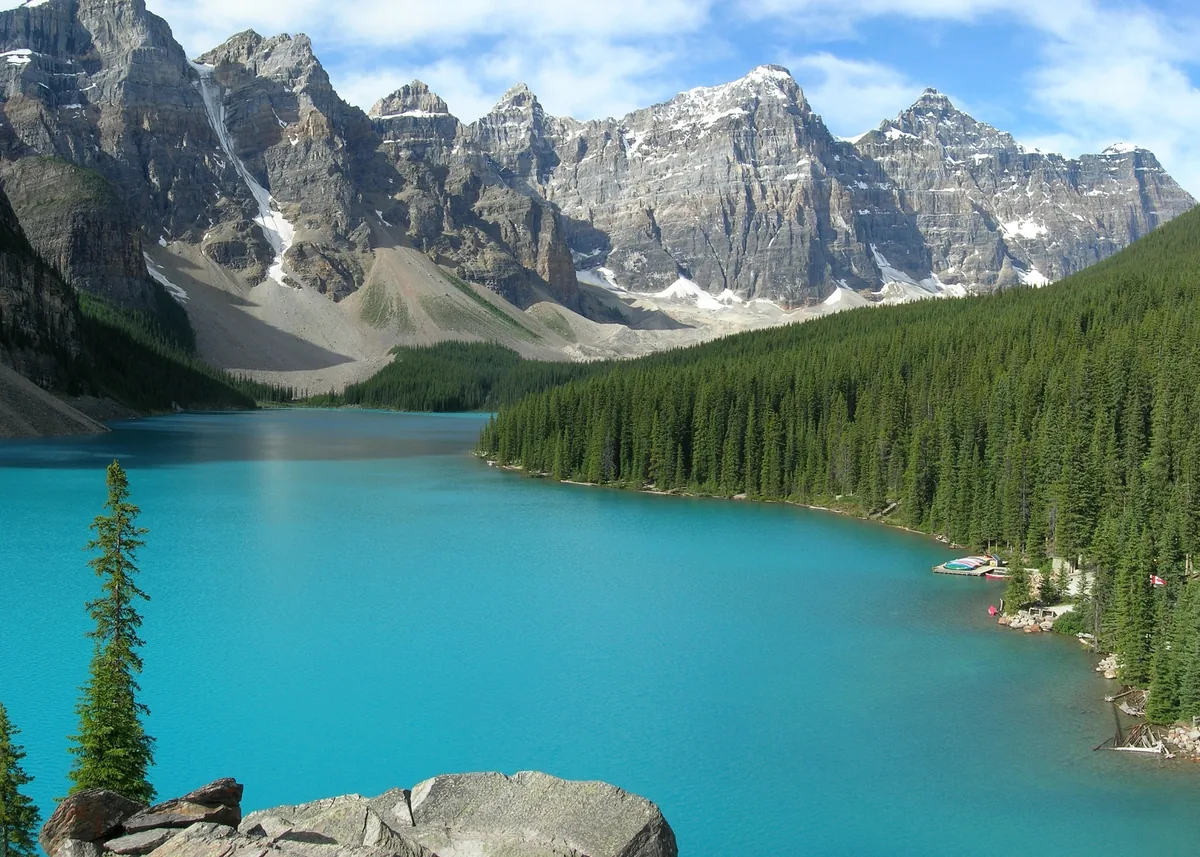
The itinerary depends on the chosen regions. In the east, focus on Toronto, Ottawa, Quebec City, Montreal, and Gaspésie for the diversity of nature and cultural sites. In the west, Calgary, Banff, Jasper, Vancouver, and Lake Louise amaze with their mountains, lakes, and national parks.
Discovering the Sea to Sky Highway offers maritime and alpine panoramas, while the Icefields Parkway immerses you in the heart of the Rockies. The Viking Trail in Newfoundland reveals icebergs and Viking remains, while the Cabot Trail in Nova Scotia winds between sea and forest.
Exploring the shore of Lake Superior or Gaspésie guarantees nature and cultural stops, perfect for varying activities between hiking, water activities, and wildlife observation.
Some routes to prioritize according to your desires
- Sea to Sky Highway: Vancouver to Whistler, coastal and mountainous landscapes
- Icefields Parkway: Lake Louise to Jasper, mountains, glaciers, wildlife
- Viking Trail: Newfoundland, icebergs and archaeological sites
- Cabot Trail: Nova Scotia, sea views, forests, wildlife
- Gaspésie Route: Percé Rock, Forillon National Park, Chaleur Bay
How to prepare your adventure to ensure safety and unique experiences?
Preparation begins with checking the weather conditions, road status, and a list of equipment suitable for the season. Favor multilayer clothing, an emergency kit, and tools to face possible unforeseen events, especially in winter.
Road safety relies on respecting speed limits, vigilance on snowy roads, and driver courtesy. In winter, special equipment is required, and some sites become inaccessible without specific preparation.
Organizing the trip includes booking accommodations and activities, planning the stages, and checking insurance coverage. Canada offers a multitude of sports activities, hiking, water activities, and cultural discoveries in each region.
List of Tips for a Successful Adventure
- Check equipment and weather before departure
- Book accommodation and activities in advance
- Subscribe to comprehensive insurance
- Bring a first aid kit
- Respect local regulations
During a summer crossing on the Icefields Parkway, it is possible to observe black bears less than fifty meters from the roadside.
Quiz: Explore Canada on a Road Trip
What is the best time to enjoy outdoor activities in Canada?
Which license is required to drive in Canada?
Which vehicle offers the greatest freedom to explore remote regions?
Which route allows you to discover glaciers and mountains?
Viking Trail
Gaspésie Route
What activity is essential during a trip to Canada?
Shopping in malls
How to organize your activities and optimize your time during a road trip in Canada?
Time management remains crucial to fully enjoy each region traveled through in Canada. Defining a realistic itinerary based on distance and the diversity of sites helps avoid fatigue and maximize discoveries. Prioritizing a few major stops rather than multiplying stops optimizes the exploration of each park or city. Adjusting the length of stay according to desired activities, such as hiking, water activities, or museum visits, ensures a balanced experience.
Preparing the days by time slot helps avoid unforeseen events and enjoy the must-see attractions. Checking the opening hours of sites, booking activities in advance, and planning alternatives in case of bad weather secures the trip. Including regular breaks on the road promotes safety and allows appreciation of Canadian landscapes. A travel journal or a dedicated app offers an overview of daily organization.
Choosing the best regions to vary experiences
Regions of Quebec, British Columbia, or Alberta each offer a range of activities and landscapes. Gaspésie attracts with its maritime parks, the West draws with its mountains and lakes. Adapting your itinerary to your desires guarantees a tailor-made exploration.
Optimizing accommodation and camping logistics
Accommodation in camping, hostels, or hotels must be anticipated according to the season. National park campgrounds often require reservations several months in advance. Motels offer a flexible solution for travelers by car. Planning nights of wild camping adds a touch of adventure.
Enjoying essential water and sports activities
Water activities such as kayaking on lakes or swimming in rivers punctuate the trip. Hiking in the mountains or cycling on designated trails easily fits into any itinerary. Participating in guided tours allows for an in-depth discovery of the local nature.
Adapting stops according to weather and season
Season influences road accessibility and access to certain sites. Summer facilitates exploration of most parks, while winter requires specific preparation. Taking weather conditions into account optimizes safety and comfort during the trip.
- Plan key stops and book major activities
- Plan mixed days between driving and local discoveries
- Adapt the itinerary according to weather and season
- Include regular breaks to enjoy the landscapes
- Vary accommodations to enrich the experience
How to experience an authentic road trip in Canada?
Discovering Canada by road offers a unique immersion in the country’s natural and cultural diversity. Prioritizing encounters with locals, exploring less touristy regions, and trying local activities enrich each trip. Opening up to traditions, tasting regional cuisine, and participating in local events transform each stop into an unforgettable adventure.
FAQ: Practical tips and unique experiences for an unforgettable road trip in Canada
How to meet and interact with locals during a road trip in Canada?
Small towns, local markets, and homestays encourage authentic exchanges. By sharing a traditional meal, participating in a regional festival, or chatting with passionate guides, you will form genuine connections and discover Canadian daily life beyond tourist circuits.
What precautions should be taken regarding wildlife on the road?
Stay vigilant, especially at dawn and dusk when wildlife is active. Respect observation distances and never attempt to feed or approach animals. A suitable first aid kit and knowledge of emergency numbers can prove valuable in case of an unexpected encounter.
How to combine adventure and environmental respect during the trip?
Adopting simple actions such as limiting waste, favoring eco-friendly accommodations, and following marked trails helps preserve nature. Using reusable containers and respecting local wildlife enhance a sustainable and enriching experience for all travelers.
To best prepare your adventure across the vast expanses of Canada, also discover tips for exploring the most beautiful natural and aquatic sites that will enrich your road trip and allow you to admire unique landscapes.
Related posts:
 Bali luxury honeymoon trip beaches nature temples hotels and must-see romantic activities
 Visit the island of Embiez between Mediterranean flora, biodiversity, and activities around the port
 Selfoss in Iceland a dynamic center between history culture nature and major attractions
 Where to go in Albania for a stay between beaches, mountains, heritage, and authentic villages?