Thrill-seekers, do you dream of an authentic experience, far from the beaten paths and mass tourism? Thrills guaranteed with every dive, when the silence of the depths reveals wrecks full of history and mysteries. Unforgettable encounters with Mediterranean wildlife, technical challenges, and moments of grace combine to turn each outing into a unique adventure. Yet, choosing the right site, equipping yourself properly, and progressing safely remain major challenges to fully enjoy these submerged treasures.
Through my experience as an experienced diver who has shared the daily life of locals and frequented the clubs of Lavandou, I offer you a practical approach: understanding the specifics of each wreck, anticipating logistical pitfalls, and seizing opportunities for an unforgettable experience, so that every dive becomes a memory etched forever.
What are the must-see wrecks to explore during a dive at Lavandou?
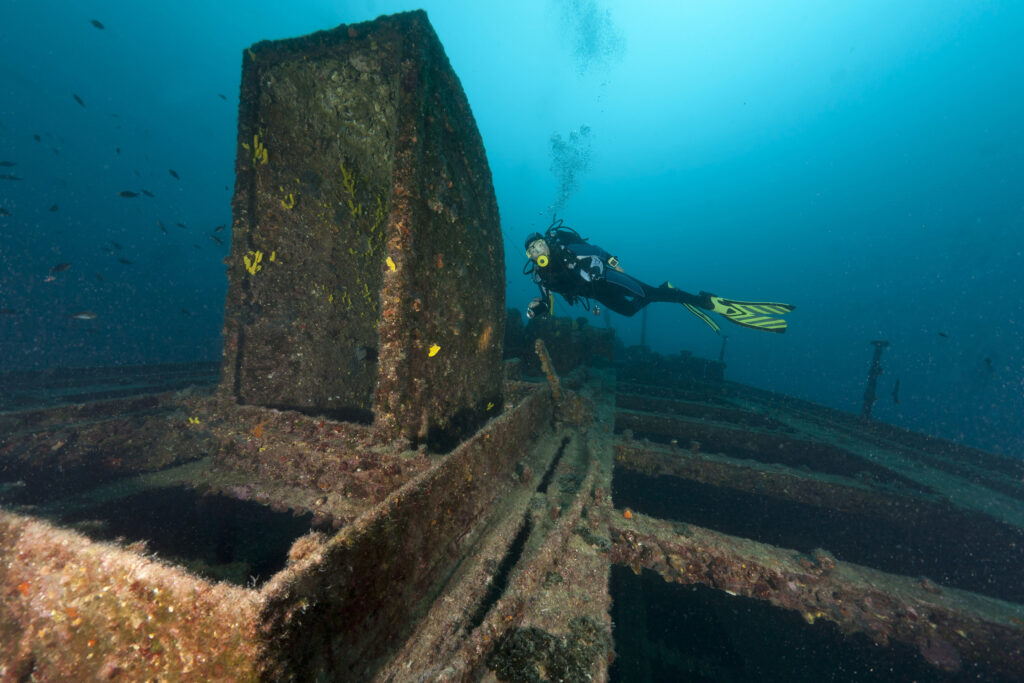
Lavandou offers one of the largest selections of wrecks for diving enthusiasts in the Mediterranean. Several legendary sites are among the most sought-after for underwater exploration. The wrecks of the Donator and the Grec, two cargos sunk in 1945, stand out for their state of preservation and the richness of their fauna. These Mediterranean wrecks are accessible to level 2 divers wishing to practice deep diving.
The submarine Rubis, deliberately scuttled in 1958, attracts technical diving enthusiasts while the Spahis, a steamer stranded in 1887, allows diving in shallow waters from level 1. The diversity of dive sites allows everyone to experience a memorable Lavandou dive according to their level and desires.
Comparison table of the main wrecks to explore around Lavandou
| Wreck Name | Depth | Required Level | Particularity |
|---|---|---|---|
| Donator | 35-50 m | Advanced Level 2 | Intact ship, abundant fauna |
| Grec | 35-47 m | Advanced Level 2 | Wreck split in two, gorgonians |
| Rubis | 40 m | Advanced Level 2 | Historic submarine |
| Spahis | 12-25 m | Level 1 | Easy access, old steamer |
| Wildcat | 52 m | Level 3 | Military plane, two parts |
| Hellcat | 57 m | Level 3 | Fighter bomber plane |
| Togo | 45-55 m | Level 3 | Steam cargo, two parts |
| Barge aux congres | Variable | Level 2 | Abundant fauna, giant congers |
| Espingole | 38 m | Level 2 | Historic destroyer |
List of advantages by wreck
- Donator: Great biodiversity, massive structure, immersive dive
- Grec: Colorful gorgonians, easy access, mysterious atmosphere
- Rubis: Military history, deep immersion, often excellent visibility
- Spahis: Suitable for beginners, quick discovery, peaceful atmosphere
- Wildcat and Hellcat: Rare dive, airplane wrecks, reserved for experts
What are the criteria for choosing a wreck dive at Lavandou?
Advanced wreck diving requires selecting a dive site suited to one’s level and expectations. Depths range from 12 to 57 meters, each sea dive requires specific equipment and good buoyancy control. Beginner divers favor diving in the shallow zone like the Spahis, while more experienced divers head towards deep zone diving on the Donator or the Rubis.
The choice of a dive in the region also depends on the season, weather, and underwater visibility. Partner clubs like Lavandou Plongée assist each diver in this selection and guarantee safety and comfort during every underwater exploration.
List of main precautions before a wreck dive
- Check your certification level and experience in technical diving
- Assess the weather and water temperature conditions as well as visibility for diving in the national park
- Familiarize yourself with the map and plan of the wreck
- Prepare your equipment and check your weighting
- Follow the instructions of the club and instructor
What services does the Lavandou Plongée club offer to organize your stay?
The Lavandou Plongée club offers leisure diving and advanced wreck diving stays in the Mediterranean, with all-inclusive or à la carte packages. Divers benefit from a modern, spacious boat equipped with everything necessary for a comfortable scuba diving experience. Equipment such as 12 and 15-liter tanks are provided free of charge subject to availability.
The stays include up to 10 dives over 5 days, nearby accommodation, bag transfers, hot drinks, and snacks after each dive. Outings are organized with a single point of contact, facilitating the preparation of each underwater exploration.
What are the advantages and limitations of each wreck to explore?
Each wreck offers specific attractions for diving in Lavandou. The Donator and the Grec attract with their size and fauna, the Rubis for its history, the Spahis for its ease of access. Plane wrecks like the Wildcat and the Hellcat offer rare and memorable technical dives but require level 3 certification.
Attention should be paid to depth, current, and visibility. Dive sites like the Barge aux Congres are less spectacular but rich in fauna. Mediterranean wreck maps allow for safe dive preparation in the shipwreck zone.
How to prepare a dive in the Port Cros National Park and what packages are available?
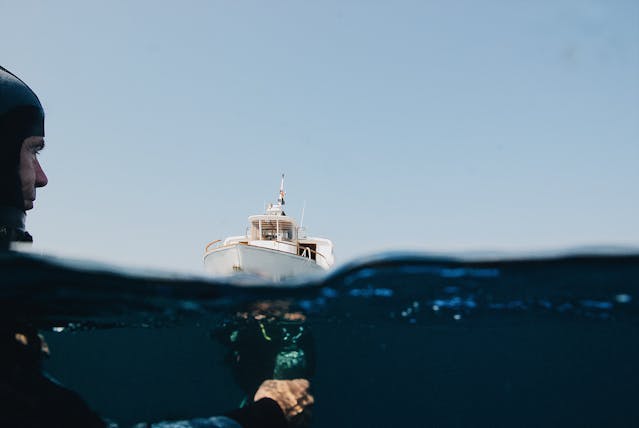
Diving in the Port Cros National Park offers a protected setting and unique biodiversity. The Lavandou Plongée club organizes regular outings with or without accommodation, suitable for all levels. Dives in the intermediate zone alternate between rocks, drop-offs, and iconic wrecks.
Themed stays are offered in September and October 2025: weekends or full weeks, with the option of full board. Groups benefit from advantageous rates, free participation for the 11th self-guided diver, and the flexibility of the à la carte package.
A diver recently found a coin dated 1918 at Lavandou during a dive on the Togo wreck.
To discover other exceptional sites and enrich your diving experience, feel free to check out this diving club in La Londe which also offers fascinating explorations in the heart of the Mediterranean.
Lavandou diving explores the most beautiful wrecks of the Mediterranean and live the underwater adventure by discovering the most impressive mythological creatures that populate the imagination of the seabed.
How to optimize your wreck diving experience at Lavandou?
Preparing a Lavandou wreck dive starts with selecting the appropriate equipment. Favor a full wetsuit to ensure thermal comfort during prolonged sea dives. Planning a powerful light allows you to appreciate the details of Mediterranean wrecks and spot wildlife hidden in the metal structures. A reliable dive computer optimizes the management of time and depth.
Planning a dive in the region relies on knowledge of currents and underwater landmarks. Using a compass and consulting the topography of dive sites promotes serene navigation. Getting close to an experienced local guide ensures discovering the richest biodiversity areas and avoiding potential traps around the wrecks.
Observing wildlife on the Lavandou wrecks is a major asset. Groupers, congers, and schools of barracudas animate the remains, offering spectacular scenes during each underwater exploration. Respecting distance from animals and avoiding any contact with the structure guarantees the preservation of these exceptional sites.
Table of recommended equipment for each type of wreck diving
| Type of dive | Recommended equipment | Main use |
|---|---|---|
| Deep diving | Computer, torch, 7 mm wetsuit | Deco management, visibility, thermal comfort |
| Recreational diving | Buoyancy compensator, wide vision mask | Buoyancy, panoramic observation |
| Technical diving | Reel, deco buoy, double regulator | Safety, navigation, multiple deco management |
| Shallow zone diving | 5 mm wetsuit, soft fins | Comfort, mobility, prolonged exploration |
Best periods for wreck diving at Lavandou
The ideal conditions for wreck scuba diving occur between May and October. The water reaches a pleasant temperature and visibility improves significantly. The months of September and October offer less crowded dive sites, conducive to a more peaceful underwater exploration and observation of more abundant wildlife around the wrecks.
How to progress from beginner to advanced level on the Lavandou wrecks
The transition from recreational to advanced diving at Lavandou is achieved through progressive training. Local clubs offer adapted courses, including buoyancy exercises, air management, and navigation on Mediterranean wrecks. The variety of depths allows gradual access to dives in the intermediate zone and then to deep zone diving under supervision.
- Choose a wetsuit adapted to the season
- Plan lighting to explore nooks
- Check the compatibility of the dive computer
- Respect distances with wildlife and flora
- Consult the topographic maps of the wrecks
Why is Lavandou a key destination for wreck diving in the Mediterranean?
Lavandou attracts diving enthusiasts with the diversity of its Mediterranean wrecks and the beauty of its seabeds. The clarity of the water, the richness of the fauna, and the variety of dive sites allow each diver to experience an unforgettable underwater exploration. Local clubs support every level, ensuring safety and discovery, making Lavandou a must-visit for scuba diving in France.
The real voyage of discovery consists not in seeking new landscapes, but in having new eyes.
Practical FAQ for a successful wreck dive in Lavandou
Can you dive year-round on the wrecks of Lavandou and what are the differences depending on the season?
Wreck diving remains accessible year-round in Lavandou, but each season offers its specifics. From May to October, water temperature and visibility are optimal, making the experience more comfortable and immersive. Outside this period, sites are less frequented and the fauna differs, but a thicker wetsuit is necessary and weather conditions can be more variable.
What souvenirs can you bring back from an underwater exploration in Lavandou without harming the marine environment?
To preserve the wrecks and fauna, nothing should be taken from the sites. Favor intangible souvenirs such as photos or videos taken in accordance with local rules. A carefully kept dive logbook and exchanges with guides also constitute valuable and respectful memories of the ecosystem.
How to choose the diving club suited to your profile to explore the wrecks of Lavandou?
Choosing a club depends on your level, expectations, and the type of supervision sought. It is better to favor a recognized club, member of an official federation, offering experienced instructors and recent equipment. Contacting them beforehand allows you to discuss your needs, plan dives, and ensure a tailored experience in complete safety.