Choosing the right fins changes everything during a first dive or an intense session in the open sea: discomfort on the feet, rapid fatigue, or loss of performance can quickly spoil the experience. Having experienced situations where a poor equipment choice turned an anticipated outing into a real challenge, I understand the importance of gear perfectly suited to one’s level. Comfort, safety, and efficiency are not reserved for experts; every detail matters, from the choice of material to the precise fit.
To avoid costly mistakes, it is essential to identify your real needs, analyze the technical criteria, and incorporate innovations that make life easier for travelers and enthusiasts alike. This guide accompanies you step by step, so that every dive is synonymous with pleasure and peace of mind.
How to assess your level and practice to select your diving fins?
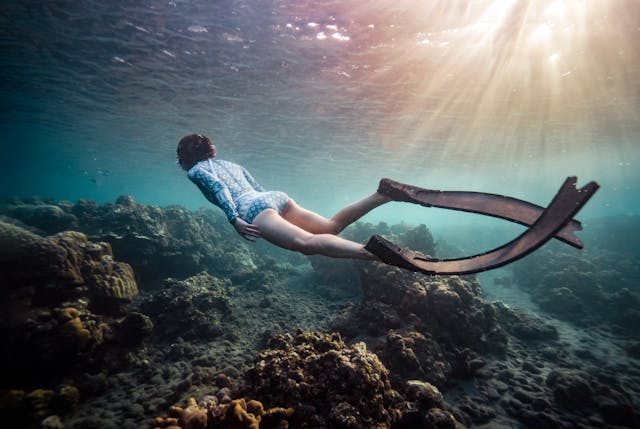
The choice of diving equipment depends primarily on experience and the type of practice planned. A beginner will favor flexible and lightweight gear to minimize effort, while an experienced user will seek power and performance for more technical or longer dives. The environment also influences the selection: warm or cold waters, pool, calm sea, or rocky area. The goal remains to optimize comfort, efficiency, and safety according to expectations and foot morphology.
Detailed comparison of the main types of fins
| Type of fins | Length | Flexibility | Recommended use |
|---|---|---|---|
| Soft full-foot fins | Less than 60 cm | Flexible | Beginner, warm waters, pool |
| Semi-rigid adjustable fins | 60 to 80 cm | Semi-rigid | Versatile, recreational diving, temperate waters |
| Long rigid fiber/carbon fins | More than 80 cm | Rigid | Freediving, spearfishing, technical diving |
| Thermoplastic plastic | 60 to 80 cm | Flexible to rigid | Beginner, leisure, limited budget |
| High-performance carbon/fiber | More than 80 cm | Rigid | Professional, competition |
Diving equipment must adapt to foot morphology, frequency of use, and the chosen fastening system. Open-heel adjustable models are suitable for cold waters or rocky areas, while full-foot versions offer a lightweight feel appreciated in warm waters. Respecting the appropriate size and checking the fit ensures a pleasant and risk-free experience.
What criteria differentiate fins according to experience level?

The essential criteria for choosing fins vary according to experience, kicking technique, and the desired goal. A beginner opts for flexible, medium-sized fins, limiting effort and maximizing comfort. An experienced diver seeks increased power, rigidity suited to sustained training, and optimal performance at depth.
Safety increases with an adequate size and an effective adjustment system. Taking into account compatibility with other equipment such as neoprene booties or the wetsuit helps avoid fitting problems and fully enjoy every trip.
List of main criteria to compare according to the level
- Length adapted to the practice
- Flexibility or rigidity depending on the desired effort
- Attachment system for optimal adjustment
- Material for durability and performance
- Size compatible with the equipment
Which materials to choose to optimize comfort and efficiency underwater?
The choice of materials directly influences the performance and efficiency of the equipment. Plastics and thermoplastics are suitable for beginners due to their lightness and attractive price. Composites such as carbon or fiberglass offer superior performance, better power, and are preferred for freediving or spearfishing.
Rigid materials require technical training but guarantee effective propulsion. The choice depends on the frequency of diving, budget, and the level of mastery of the kicking technique.
How to adjust the size and attachment system for optimal comfort?
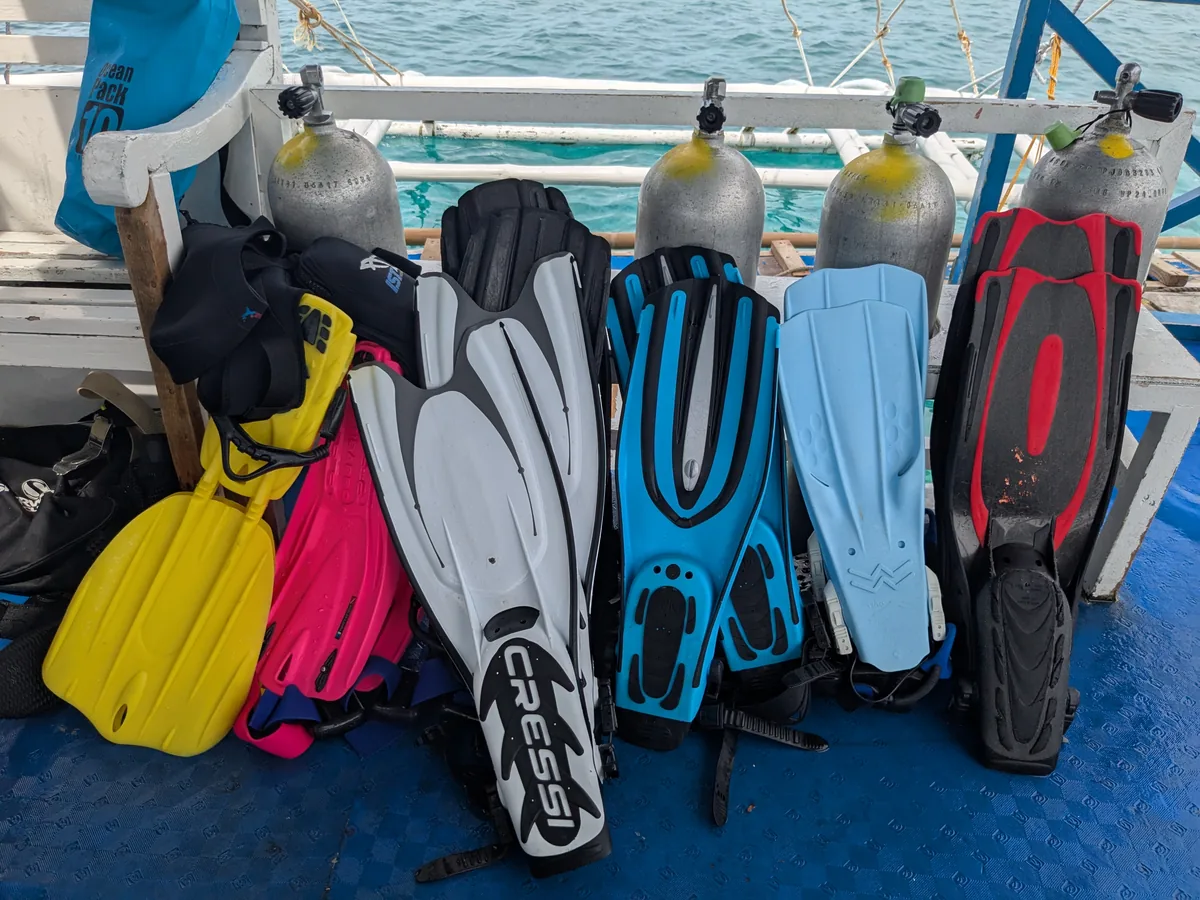
The size of the fin must be chosen carefully to ensure comfort and safety. Allow for one size larger than usual if booties are used. When trying on, the thumb should be able to pass behind the heel. A quick adjustment system facilitates fitting and allows easy adaptation depending on conditions or the equipment worn.
Slip-on fins are ideal for warm waters, while adjustable strap models are suitable for cold or technical environments. Precise adjustment prevents chafing and optimizes kicking power.
Essential points for perfect size and adjustment
- Systematic fitting with the equipment
- Check of heel hold
- Simple and sturdy adjustment system
- Compatibility with booties or wetsuit
What tips for maintenance and transport of fins during your travels?
Proper maintenance extends the lifespan of diving equipment. Rinse with fresh water after each use, dry in the shade, and store in a dry place to preserve performance and safety of the equipment. Regularly inspect the condition of the attachment system and straps to avoid unpleasant surprises during outings.
For travel, using a specific protective bag limits the risk of breakage and facilitates transport. Prefer lightweight and sturdy models to simplify movement, especially during frequent or long trips.
During an expedition in Indonesia, a diver swam more than two kilometers freediving with long carbon fins, illustrating the difference in performance depending on the chosen equipment.
Before choosing your diving fins, it is also essential to carefully select your swimsuit to ensure comfort and performance during your aquatic sessions.
Which accessories and innovations make using diving fins easier?
Specific accessories optimize the use of equipment while enhancing comfort during diving. Neoprene booties protect the foot from the cold and reduce friction. Spring straps or quick-release buckles simplify putting on and adjusting the system. Choosing non-slip grips improves stability when moving on the boat or rocks.
Recent innovations in fin adjustment systems allow instant fitting without removing gloves, ideal for cold waters. Some models incorporate composite materials combining lightness and power, reducing muscle fatigue during long sessions. Interchangeable blades adapt to skill progression, offering appreciated flexibility for training or intensive practice.
For travel, reinforced carrying bags effectively protect fins against shocks. Some bags have ventilated compartments for quick drying, limiting mold formation and preserving the protection of diving equipment. Carrying a quick repair kit in the bag allows dealing with any unforeseen issues during distant expeditions.
Comparison of useful innovations for fins
| Innovation | Main Advantage | Type of fins concerned | Recommended use |
|---|---|---|---|
| Stainless steel spring strap | Quick adjustment | Adjustable | Recreational diving, cold water |
| Interchangeable blade | Versatility | Long, carbon | Freediving, training |
| Non-slip grip | Safety on boat | Slip-on, adjustable | Boat outings, rocky areas |
| Neoprene booties | Thermal protection | Adjustable | Cold waters, technical diving |
| Ventilated bag | Quick drying | All types | Travel, expedition |
| Repair kit | Emergency assistance | All types | Distant travels |
Adapting equipment for diving in tropical environments
In tropical environments, favoring lightweight fins and precise adjustment ensures a pleasant and hassle-free practice. Slip-on models facilitate movement on sand and access to the water. A compact and ventilated bag allows easy transport of equipment between several dive sites with ease.
Optimizing performance for spearfishing
For spearfishing, the power and rigidity of fins become priorities. Carbon or fiber models offer effective propulsion, reducing effort during deep descents. A reliable fastening system prevents any loss of equipment during rapid changes of direction or contact with the seabed.
- Choose accessories adapted to each environment
- Check compatibility between fins and booties
- Provide a sturdy carrying bag
- Opt for innovations that facilitate adjustment
- Regularly maintain the fastening system
How to Choose Your Diving Fins Well for a Successful Experience?
Selecting fins suited to your level and practice turns every outing into a moment of comfort and efficiency. Taking into account size, adjustment system, power, and accessories helps optimize safety while preserving the performance of diving equipment. Exploring innovations and adapting gear to each environment guarantees a rewarding experience, whether in freediving, spearfishing, or discovery trips.
The pleasure of diving begins with choosing the right equipment.
Frequently Asked Questions for Choosing and Using Your Diving Fins Well
How to avoid blisters and pain during long sessions with fins?
To limit the risk of blisters and pain, favor neoprene socks adapted to the fin as well as a precise fit. Be sure to test your fins with the complete equipment before any extended stay, as poor fitting or unsuitable material promotes chafing. Regular maintenance and complete drying of the socks also reduce the appearance of pressure points.
Can you travel by plane with long fins, and how to protect them effectively?
Transporting long fins by plane is possible provided you use a reinforced bag designed for this type of equipment. Prefer a model with a ventilated compartment and rigid protections to prevent breakage during transfers. Placing the fins between clothes in the suitcase or opting for specific cabin luggage guarantees their safety until arrival.