Maintaining an aquarium dedicated to shrimp requires special attention, especially when cleaning the substrate. Unlike other aquatic inhabitants, shrimp are very sensitive to changes in their environment. It is therefore essential to adapt the suction method to avoid disturbing their habitat or endangering their lives. This guide details each step to successfully clean while ensuring the protection of the shrimp.
Why adapt aquarium suction for shrimp?
A differentiated approach is necessary because these small invertebrates love to dig through the substrate in search of food. Their small size makes them vulnerable to some traditional cleaning tools, especially if using a simple aquarium vacuum or a conventional draining system. By carefully protecting the inhabitants, the overall health of the ecosystem is also preserved.
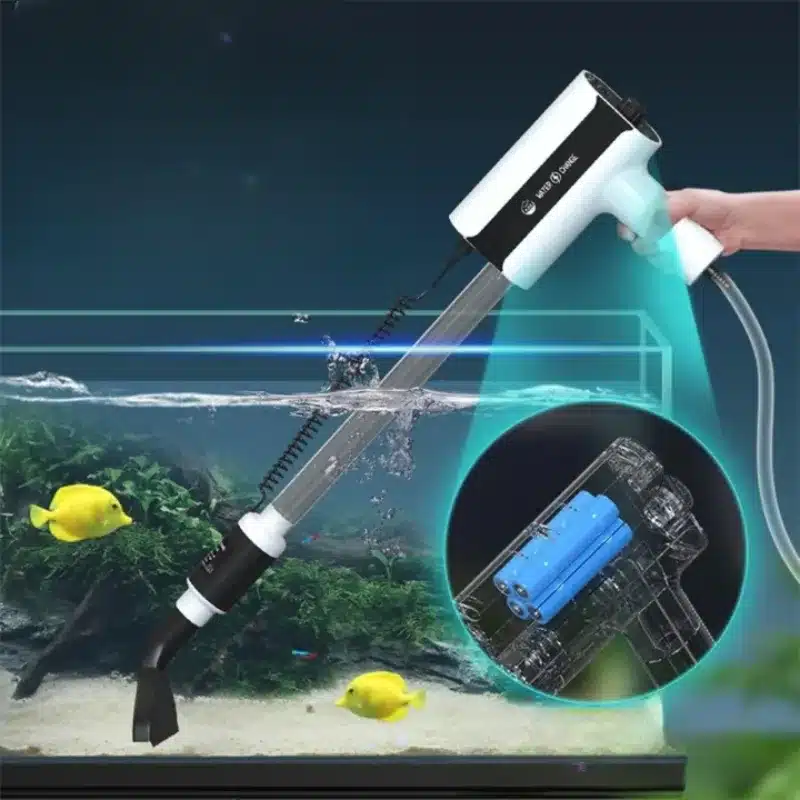
Cleaning the substrate effectively removes debris and dirt accumulated in the substrate. However, without precautions, it is easy to accidentally vacuum a young shrimp or several individuals hiding under a rock or among floating plants. That is why using appropriate accessories makes all the difference: combining animal safety with maintenance efficiency.
What equipment to use to clean the bottom of a shrimp aquarium?
Some products really facilitate the maintenance of the shrimp tank, whether manual siphons like the Easy Drain Aquarium Siphon Pump, or more sophisticated solutions like the Manual Siphon Aquarium Bottom Vacuum Kit. These devices significantly reduce the risk of sucking in fragile inhabitants while allowing removal of excess organic waste. To ensure safe cleaning, it may also be relevant to use vacuum cleaners adapted for shrimp aquariums.
Siphon pump models are appreciated for their simplicity, while some bottom vacuum kits include systems specifically designed to protect shrimp. Analyzing the features of these devices helps make an informed choice for safe and effective maintenance.
The mud bell and juice bulb for optimal control
The mud bell combined with a juice bulb offers a precise solution to target the dirtiest areas without disturbing the entire substrate. This method allows better observation of where you are suctioning, greatly limiting accidents during substrate cleaning. The operation is carried out slowly, a key point when the inhabitants are as discreet and mobile as shrimp.
An adjustable bell placed at the end of the hose allows adapting the water flow according to the desired intensity. For debris-rich corners, manual control by pressing the juice bulb provides a “tailor-made” feel to each operation, minimizing the involuntary suction of unwanted organisms and effectively protecting the shrimp.
Protecting shrimp with an aquarium vacuum equipped with a filtering foam
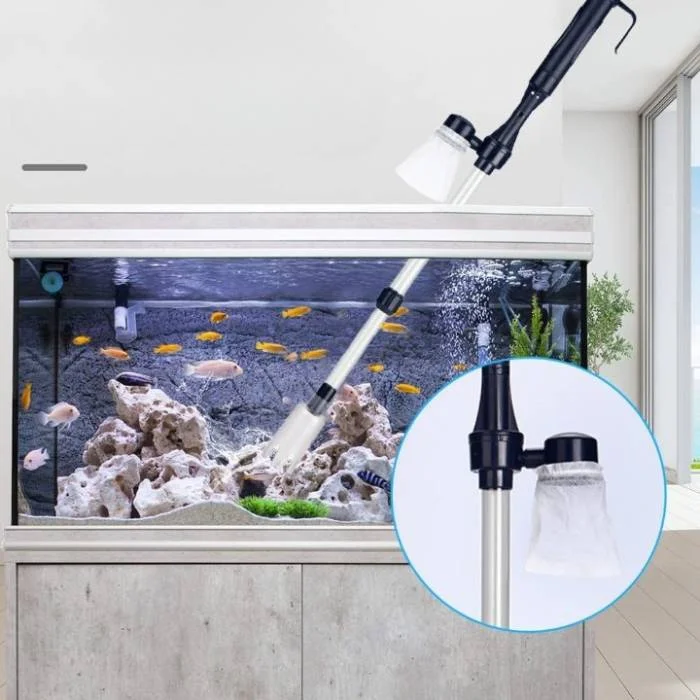
Adding a foam or sponge for suction at the pipe entrance really changes the game. This physical barrier prevents any accidental passage of shrimp into the device, regardless of their size. Thus, cleaning the bottom is done safely and quickly, even in the presence of many juveniles.
Choosing a sponge filter in addition to the siphon also helps retain fine particles that could harm water quality. This restores a healthy and clear living environment, ideal for the harmonious development of the shrimp colony.
How to avoid sucking up shrimp during cleaning?
Even with the best accessories, staying vigilant remains essential. Establishing some good habits during each bottom cleaning ensures that all your shrimp will grow in a safe environment.
Careful observation of your animals’ behavior remains the best ally during this sensitive phase. Simple strategies, combined with the right tools, offer real stress savings both for you and the inhabitants of your aquarium.
Tips and tricks to prevent accidents
Before the actual suction, taking the time to spot areas where the shrimp gather already greatly reduces risks. Sometimes, gently moving a decoration or a root is enough to encourage them to temporarily leave the targeted area for substrate cleaning.
Using an appropriate tip, such as a fine sponge attached to the end of the siphon, mechanically blocks any animal that gets too close. Never start with a high flow rate all at once, but rather favor slow, segmented passes always under visual supervision.
Choosing the right frequency and intensity of cleaning
Cleaning too frequently can unnecessarily stress the inhabitants. Conversely, neglecting this task quickly leads to an accumulation of organic matter that is difficult to regulate. For optimal balance, most owners perform bottom cleaning every two weeks, sometimes more depending on the population and plant density of the aquarium.
Adjusting the suction power according to the season, shrimp growth, and the level of debris observed remains a good practice. Over time, everyone adjusts their actions until finding the perfect rhythm for their shrimp tank.
Summary list: essential steps to vacuum a shrimp aquarium
- Prepare a manual vacuum kit or a pump equipped with a filtering system (sponge, fine foam).
- Carefully observe shrimp movement before intervention.
- Make sure to slow down the flow if several juveniles or micro-shrimps are visible.
- Use the mud bell and juice bulb to precisely target areas with a high debris rate.
- Adjust the maintenance frequency according to the detected organic load.
- Continue cleaning under supervision, limit sudden movements.
To enrich your aquatic world, explore related topics: how to choose a dive light suitable for detailed observations, adopt diver ethics in fragile environments for clean practices, and start underwater photography to capture your aquatic scenes. These readings complement your maintenance practices, improve your equipment choices, and reinforce a responsible approach to the environment.
Frequently Asked Questions About Aquarium Vacuuming for Shrimp
How to avoid sucking up shrimp when siphoning the substrate?
- Installing a foam or filter sponge on the siphon tip greatly reduces the risk of sucking up small shrimp.
- Proceed slowly and continuously monitor the location of the animals during each movement in the substrate.
- Gently move decorations or leaves to dislodge hidden individuals before vacuuming.
What type of aquarium vacuum is best suited for cleaning the bottom of a shrimp tank?
A manual model using a pear siphon, equipped with a protection such as a mud bell or filter foam, is perfectly suitable. Some kits specially designed for nano-aquariums also feature low and controlled flow rates, adapted to the specific needs of shrimp. Gentle filtration ensures safety and cleanliness of the substrate.
| Model | Built-in Protection | Degree of Precision |
|---|---|---|
| Manual siphon | Foam/sponge | High |
| Mud bell + juice pear | Yes | Very high |
How often should the substrate be cleaned in a shrimp aquarium?
Most hobbyists opt for cleaning every two weeks, except in cases of heavy debris presence. If the colony is large or the aquarium is particularly planted, adjusting the frequency accordingly ensures overall well-being. Cleaning too frequently can stress the fauna, while a dirty substrate promotes disease and imbalance.
- Every 2 to 3 weeks for a reasonably populated tank
- More often if visible dirt accumulation occurs
- Less frequently for a newly established tank
What additional accessories can help protect shrimp during cleaning?
- Sponge filter for vacuum
- Wide tip made of glass or soft plastic
- Very fine net to block the passage of the smallest individuals
- Oxygen bubbler if cleaning is long to limit stress
These elements make each substrate cleaning session safer for the shrimp colony.