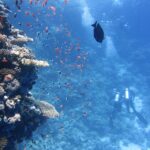
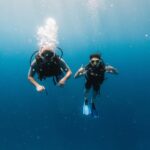
Respect for nature, preservation of reefs, wonder beneath the water: each dive in a fragile area creates a dilemma between passion and responsibility. Feeling the emotion of a face-to-face encounter with a turtle or a school of colorful fish also means bearing the weight of their fragility in the face of human pressure. The slightest clumsiness, a simple contact with coral, or the use of inappropriate equipment can disrupt entire ecosystems.
By living at the pace of local populations and sharing their commitment to nature, I understood that preserving these treasures is not an option but a duty. Adopting a strict ethic, choosing suitable equipment, and learning about marine life are the promise of an intense, respectful, and sustainable experience. This path invites us to rethink our practice, to adopt the right gestures, and to fully commit to the protection of the marine environment.
Why adopt a strict ethic when diving in fragile environments?
Ecological equipment promotes preservation during each dive. Durable equipment helps avoid negative impacts on biodiversity and ecosystem integrity. Observing marine life without disturbing species remains fundamental to ensuring the survival of natural habitats. Respectful equipment encourages the integration of responsible practices that support long-term conservation.
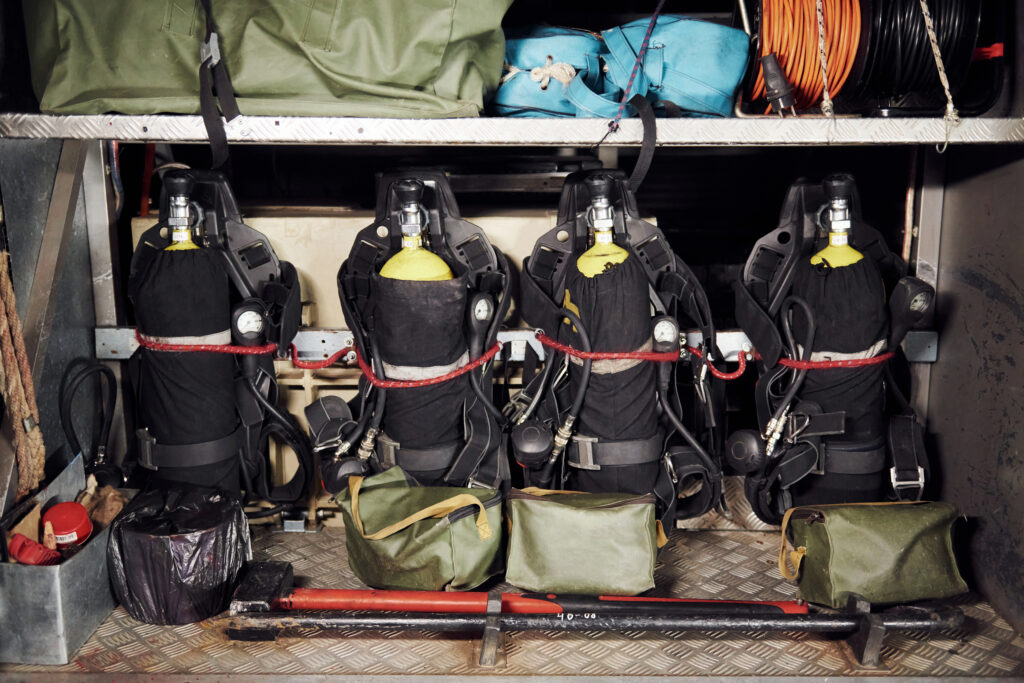
Comparison of impacts according to diver practices
| Practice | Environmental Impact | Consequence on Wildlife | Durability of the Ecosystem |
|---|---|---|---|
| Observation from a distance | Low | Wildlife not stressed | Preserved |
| Contact with coral | High | Damaged corals | Weakened |
| Use of ecological equipment | Minimal | Respect for wildlife | Strengthened |
| Feeding animals | Significant | Altered behaviors | Threatened |
| Collecting shells | High | Disturbed ecosystem | Degraded |
| Waste management | Low | Protected wildlife | Supported |
Recycled equipment and biodegradable equipment contribute to preserving dive sites. Knowing that every action counts encourages strengthening discipline and acting for the protection of the marine environment.
Key principles to respect for responsible ethics
- Observe wildlife without touching or chasing it
- Never feed marine animals
- Avoid any contact with coral or flora
- Master buoyancy to limit impact
- Use ecological and durable equipment
- Participate in waste management
How does knowledge of marine life influence diving practice?
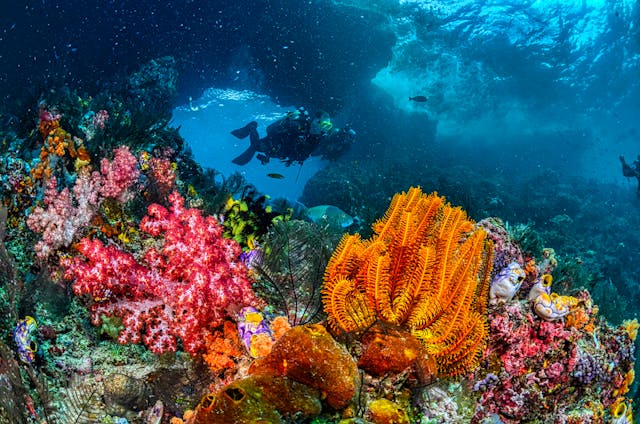
Pollution affects the understanding of natural interactions. Knowing the reproductive, feeding, or cleaning behaviors of species guides towards respectful and enriching observation. Suitable equipment helps avoid any disturbance, reinforcing the diver’s ethics and the protection of ecosystems.
Awareness through learning marine biology encourages the adoption of responsible practices. Conscious diving relies on the ability to recognize signs of stress or alert in species, which prevents disturbances and promotes the preservation of fragile environments.
What are the essential techniques to limit impact on the seabed?
Fragile environment requires perfect mastery of buoyancy. Adjusting weighting, practicing “hovering,” and controlled breathing optimize stability underwater. Precise management of equipment and movements prevents sediment disturbance and protects coral reefs.
Regular exercises and the use of appropriate equipment reduce the risks of accidental contact with the seabed. Acquiring these skills improves safety, extends dive duration, and offers a more harmonious experience for both the diver and the wildlife.
How to choose respectful equipment for responsible diving?
Ecological, durable, and recycled equipment limits environmental footprint. Prioritizing gear made from recycled or biodegradable materials reduces waste production and pollution related to single-use plastics. Using mineral sunscreens without chemicals protects corals and wildlife.
The choice of equipment directly influences site preservation. Favoring committed brands, participating in recycling programs, or opting for certified products ensures a practice respectful of marine biodiversity.
Why are awareness and participation in conservation essential?
Responsible equipment is accompanied by a commitment to awareness. Sharing experiences, organizing educational workshops, and supporting local initiatives promote ocean preservation. Quality equipment also facilitates data collection for citizen science and reef restoration.
Involvement in cleanup projects, reducing consumption of products from industrial fishing, and promoting a vegan or local diet strengthen the positive impact of the diving community. Suitable equipment and strict ethics make each dive a beneficial action for the planet.
A group of divers discovered an intact reef off Komodo thanks to local commitment to environmental protection and the exclusive use of ecological equipment during their explorations.
When addressing the issue of diver ethics in fragile environments and marine environment preservation, it is relevant to question the state of coral and discover why coral bleaching is a warning signal for the planet, in order to adopt respectful practices during each dive.
To protect fragile marine ecosystems, it is essential to understand why sunscreen is harmful to the seabed and to adopt respectful practices during diving.
How to minimize your footprint during a dive in a protected area?
biodegradableequipment optimizes reef preservation by limiting harmful residues. The use of coated weights, soft fins, and suits without polluting substances reduces the impact on marine organisms. Special attention to equipment maintenance helps prevent the dispersion of microplastics and contamination of fragile habitats.
management of underwater movements influences ecosystem stability. Adopting smooth swimming, avoiding sudden movements, and keeping a distance from sandy bottoms preserves water clarity and coral health. The integration of strict protocols for rinsing equipment prevents the introduction of invasive species or pathogens into marine reserves.
respectfulequipment promotes silent and discreet observation of underwater life. The selection of low-power lamps, the use of floats for cameras, and limiting accessories reduce visual and sound disturbances. This approach encourages an immersive and authentic experience, focused on discovery without interference.
Comparison of actions for ethical diving in protected areas
| Action | Effect on habitats | Example of recommended equipment | Expected result |
|---|---|---|---|
| Use of coated weights | Preserves the seabed | Rubber-covered weights | No trace on coral |
| Controlled swimming | Limits sediment resuspension | Soft fins | Visibility maintained |
| Rinsing equipment with fresh water | Prevents species spread | Dedicated basins | Protected ecosystem |
| Choice of low-power lamps | Reduces animal stress | Soft LED lighting | Natural behavior observed |
| Use of floats for devices | Prevents accidental contact | Floating accessories | Undisturbed fauna |
The role of local clubs in training for responsible diving
durableequipment is integrated into the educational programs of committed clubs. These organizations raise awareness among beginner divers about the importance of thorough preparation, regular maintenance, and exemplary behavior underwater. The transmission of local knowledge and proven practices fosters the creation of a community attentive to the preservation of natural sites.
Technological innovations serving ethical immersion
recycledequipment and recent innovations facilitate the reduction of ecological footprint. Manufacturers develop equipment made from recovered fishing nets, plant-based neoprene, or transformed marine plastics. These advances offer divers efficient and responsible alternatives, while contributing to ocean cleanup.
- Favor the purchase of eco-designed equipment
- Participate in workshops on marine biology
- Use local guides to discover sites
- Adopt precise gestures to limit contact
- Support marine protection associations
Why does ethical diving transform the traveler’s experience?
preservedenvironment enhances the sense of adventure and discovery. The adoption of responsible practices allows access to untouched areas, often reserved for divers respectful of the rules. This approach offers an authentic immersion where each encounter with wildlife becomes a rare and memorable privilege.
Respecting the ocean is opening oneself to the infinity of its wonders.
FAQ Responsible Diving and Ethical Immersion in Fragile Marine Environments
How to effectively raise awareness among your circle about ethical diving during trips abroad?
Sharing your personal experiences, recounting anecdotes from memorable encounters with wildlife, and organizing educational outings often help awaken curiosity and foster increased respect for the marine environment. Supporting local initiatives or inviting other travelers to participate in workshops on marine biology strengthens this collective awareness around the preservation of fragile ecosystems.
What simple actions can be adopted to limit your impact during a first immersion?
Make sure to control your buoyancy, avoid any contact with coral or wildlife, and prioritize the use of ecological or recycled equipment. Taking the time to observe without intervening and choosing operators committed to marine protection are essential habits to make each dive beneficial both for nature and your personal underwater experience.