Feeling the coolness of the water on your skin, admiring untouched underwater landscapes, living every moment without unnecessary shivers: the choice of wetsuit shapes the experience and preserves body heat. The wrong thickness can turn an adventure into a trial, while proper protection opens the door to freedom and serenity. With practical advice, comparison tables, and firsthand feedback, this text guides you step by step to select the ideal thermal solution according to the temperature, duration, and depth of your upcoming dives, while revealing maintenance tips and accessories that make a difference.
How to determine the ideal wetsuit thickness for each water temperature?
The choice of a wetsuit mainly depends on the water temperature and the level of cold felt during the dive. A 3 mm neoprene wetsuit is generally suitable for waters above 25°C, while a thickness of 5 to 6 mm is better suited for temperate waters between 16°C and 24°C. For cold waters, a 7 mm or thicker wetsuit is recommended to ensure optimal thermal protection.
The European standard EN14225-1 classifies wetsuits according to the usage temperature, which facilitates the choice. Thermal protection is enhanced by adding extra layers such as hoods, gloves, or neoprene tops. Compliance with the standard guarantees increased efficiency and safety during your dives.
Comparison table of wetsuit thicknesses according to water temperature
| Water Temperature | Recommended Thickness | EN14225-1 Class | Type of Wetsuit |
|---|---|---|---|
| Below 10°C | 7 to 8 mm or drysuit | Class A | Drysuit or semi-dry |
| 10°C to 18°C | 5 to 7 mm | Class B | Thick wetsuit or semi-dry |
| 16°C to 24°C | 4 to 5 mm | Class C | Standard wetsuit |
| Above 24°C | 2 to 3 mm or shorty | Class D | Shorty or lycra |
| All temperatures | 0.5 to 8 mm | Depending on use | Wetsuit, semi-dry, drysuit |
Which criteria to prioritize to optimize thermal protection and comfort?
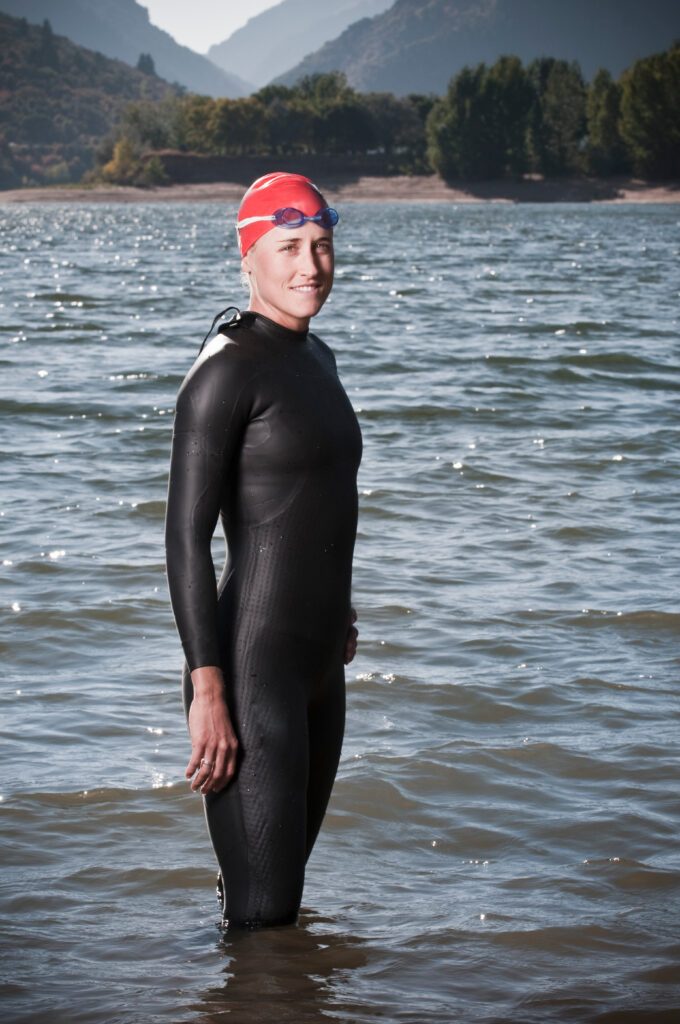
Thermal protection depends on the neoprene thickness, but also on compression resistance and the quality of finishes such as zippers, cuffs, and coatings. Modern wetsuits use air bubble foam that improves insulation and comfort while limiting water circulation inside.
The fit of the wetsuit directly influences thermal protection and freedom of movement. A prior fitting allows checking that the wetsuit is neither too tight nor too loose. Adaptation to your budget depends on the finishes, standards met, and complementary accessories.
List of elements to check when choosing a diving wetsuit
- Thickness adapted to the water temperature
- Enhanced thermal protection for long dives
- Precise fit to prevent water circulation
- Quality finishes (zippers, cuffs, coatings)
- Compatibility with hood, gloves, booties
- Compliance with European standards and classes
Why do depth and dive duration influence the choice of thickness?
The compression of neoprene at depth reduces the thickness and therefore the thermal resistance of the wetsuit. For deep dives, it is advisable to choose a thicker wetsuit in order to maintain sufficient insulation throughout the dive.
The duration of the dive affects the amount of heat lost by the body. The longer the dive, the more the thermal protection must be reinforced. Using additional layers or a drysuit then becomes a relevant choice.
Which accessories and options improve the effectiveness of thermal insulation?
Adding neoprene accessories such as a hood, gloves, or booties optimizes thermal protection. Tops or sleeveless vests complement the insulation and allow the wetsuit to be adapted to cold or warm conditions.
Sealed cuffs, robust zippers, and internal linings improve comfort and protection against water circulation. Wearing technical underwear under a drysuit increases insulation efficiency during prolonged dives.

List of essential accessories to complete a diving suit
- Neoprene hood
- Thermal gloves
- Booties or diving shoes
- Neoprene top or vest
- Technical underwear for drysuit
How to maintain and store your wetsuit to ensure durability and effectiveness?
Rinsing with fresh water after each dive removes salt, chlorine, and debris that could damage the wetsuit’s waterproofing. Drying the wetsuit in the shade preserves the neoprene’s flexibility and limits the deterioration of finishes.
Storing the wetsuit flat or hung in a dry, ventilated place ensures the longevity of the foam and internal air bubbles. Avoiding sharp objects and long nails when putting it on reduces the risk of damaging the wetsuit or its linings.
In 1953, Georges Beuchat invented the first neoprene wetsuit in Marseille, permanently transforming the practice of scuba diving.
To properly prepare your diving equipment, it is essential to know not only the ideal thickness of the wetsuit for appropriate thermal protection but also how to choose men’s swim trunks according to specific criteria to ensure comfort and performance in the water.
What are the impacts of the wetsuit choice on safety and performance in diving?
The choice of a suitable wetsuit directly influences safety during immersion. Insufficient insulation exposes to rapid heat loss, limiting exploration time and increasing the risk of discomfort. Adequate protection helps maintain a stable body temperature, essential to fully enjoy the dive and preserve alertness.
Performance in the water depends on the comfort and freedom of movement offered by the wetsuit. A precise fit and quality finishes promote minimal water circulation, optimizing thermal efficiency and mobility. This choice also impacts the ability to manage varying depths without compromising waterproofness or compression resistance.
Adapting the wetsuit to each natural environment allows for responding to varied situations, whether tropical waters or temperate sites. Taking standards and classes into account ensures maximum efficiency and a safe diving experience regardless of the temperature.
Table of key characteristics to evaluate for safety and performance
| Characteristic | Impact on safety | Impact on performance | Usage advice |
|---|---|---|---|
| Neoprene thickness | Limits heat loss | May restrict flexibility | Adapt to water temperature |
| Fit | Reduces water circulation | Improves mobility | Favor a precise fitting |
| Finishes (zippers, cuffs) | Enhances waterproofness | Facilitates donning | Check seam quality |
| EN14225-1 standards | Ensures certified protection | Guarantees compliance | Choose an appropriate class |
| Thermal accessories | Protect extremities | Maintain comfort | Use according to the season |
The impact of wetsuit choice on recreational diving practice
A well-chosen wetsuit promotes the discovery of new sites safely. Insulation and comfort allow for longer sessions, increased confidence, and focus on exploration. Proper thermal protection encourages learning and progression in recreational diving.
How does the wetsuit influence energy management underwater?
A wetsuit offering good insulation limits heat loss, reducing fatigue and allowing better effort management during descent or ascent. The neoprene’s compression resistance prevents the sensation of cold and preserves energy throughout the immersion.
- Verify compliance with EN14225-1 standards
- Prefer trying on in a specialized store
- Adapt thickness according to season and destination
- Opt for complementary accessories
- Regularly maintain the wetsuit
How to make the right wetsuit choice according to your diver profile?
The choice of wetsuit depends on experience level, immersion frequency, and encountered conditions. A beginner will favor a versatile thickness and easy-to-use finishes, while an experienced diver may opt for a technical wetsuit adapted to specific environments. Analyzing one’s own needs allows targeting the desired protection and comfort.
The best wetsuit is the one that lets you forget you are wearing it and think only about exploration.
Practical FAQ for choosing and using your diving wetsuit
How to manage discomfort related to the sensation of cold despite a suitable wetsuit?
Even with a perfectly chosen wetsuit, some divers sometimes experience a persistent sensation of cold. This phenomenon can be alleviated by adjusting accessory layers, such as adding a thermal top or technical underwear. Taking care to properly cover the extremities, especially the head and feet, also helps limit heat loss. Hydration and good overall health also play a significant role in resistance to cold underwater.
Can the same wetsuit be used for different water activities, such as snorkeling and scuba diving?
A wetsuit designed for scuba diving generally offers superior protection, thanks to thickness and finishes designed for long immersions and deep compression. For snorkeling, a lighter and more flexible model is often sufficient, as sessions are short and exposure to cold is less. If you travel light, it is still possible to choose an intermediate thickness and complement with accessories depending on the activity, but performance will always be optimal with equipment specific to each use.