Underwater wonder, unforgettable encounters, and the fragility of ecosystems intertwine as soon as one ventures into a marine reserve. Feeling the magic of a preserved reef, meeting the gaze of a turtle, or observing the silent dance of multicolored fish also means becoming aware of the threat hanging over these natural treasures. Faced with the pressure of tourism and habitat degradation, the preservation of protected areas becomes a collective challenge. Understanding how these spaces regenerate biodiversity, support local communities, and transform our relationship with the ocean is the guiding thread of this story, enriched with lived experiences and practical advice so that every dive becomes an act of preservation.
Why is marine biodiversity so precious in marine reserves?
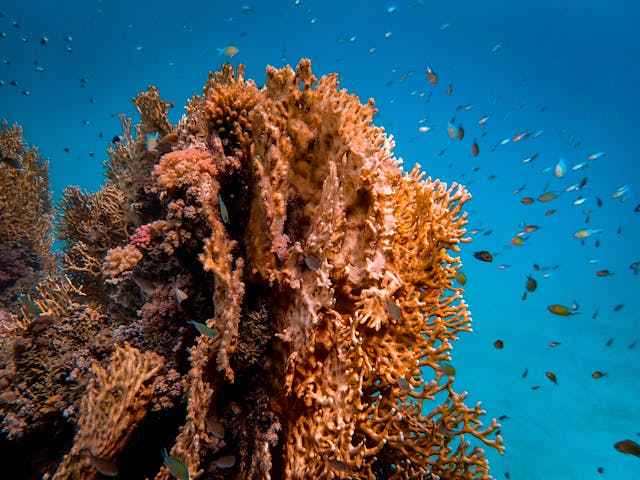
Marine biodiversity is concentrated in marine reserves that offer refuge to a multitude of species. These protected areas harbor exceptional biodiversity that allows ecosystems to regenerate. Marine reserves play a central role in the conservation of marine fauna and flora, ensuring the survival of majestic corals and multicolored fish.
The protection of the marine environment relies on limiting human activities, which promotes the health of marine ecosystems. In these spaces, species have preserved habitats, which contributes to the resilience of exceptional biodiversity in the face of climatic and anthropogenic threats.
The major advantages of marine reserves
- Marine biodiversity: Concentration of rare species
- Ecosystem: Natural regeneration
- Conservation: Sustainable protection of fauna and flora
- Corals: Preservation of fragile reefs
- Exceptional biodiversity: Endemic and threatened species
How do marine reserves contribute to ocean preservation?
The preservation of protected areas helps maintain aquatic biodiversity and ensure the stability of marine ecosystems. These spaces contribute to carbon sequestration, oxygen production, and the protection of coasts against erosion, essential elements for the environment.
Marine reserves promote species reproduction and the growth of underwater biodiversity, thus limiting the impact of overfishing and climate disruption. Their management aims to strengthen fragile biodiversity and guarantee the sustainability of natural biodiversity for future generations.
What are the benefits of diving in a marine reserve for divers?
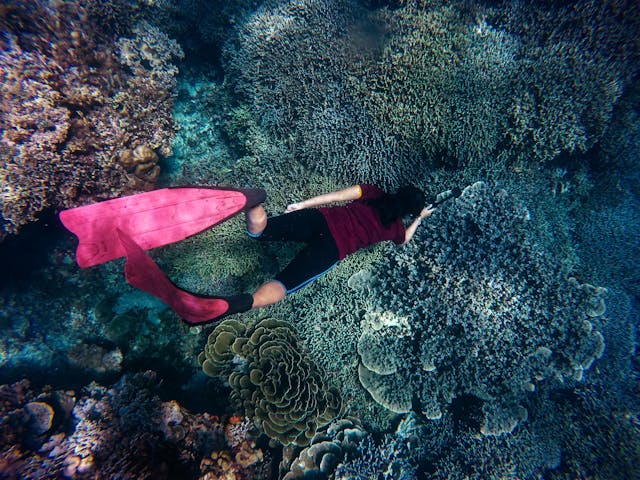
Diving in a marine reserve offers an immersion into rare biodiversity and privileged access to preserved habitats. Divers discover unique underwater landscapes, vibrant corals, and a great diversity of fish.
This experience promotes awareness of conservation and encourages the adoption of responsible practices. Diving thus becomes a committed act for environmental protection while providing unforgettable sensations.
Unforgettable experiences accessible to divers
- Diving: Exploration of underwater caves
- Underwater biodiversity: Observation of turtles and schools of fish
- Natural biodiversity: Encounter with rare species
- Protection: Participation in active preservation
What strategies are there to manage marine reserves near cities?
Protected areas in urban environments face increased pressures due to tourism, fishing, and maritime traffic. Their management requires specific measures to preserve local biodiversity and maintain the balance between conservation and economic activity.
Solutions such as mandatory reservation or limiting the number of divers are implemented in order to reduce human impact. These strategies guarantee the survival of ecosystems and ecological biodiversity in fragile environments.
How do awareness and local involvement strengthen conservation?
The success of preservation depends on raising awareness among divers and local communities about the importance of aquatic biodiversity. Eco-responsible training transforms each diver into an ambassador for marine protection.
Active engagement promotes the transmission of good practices and the safeguarding of fragile biodiversity. Collaboration between divers, residents, and managers is a guarantee for rare biodiversity and the vitality of protected areas.
In 2023, the protected area of Cerbère Banyuls recorded a forty percent increase in biodiversity in its waters.
To deepen your understanding of the benefits linked to the preservation of underwater ecosystems, discover how responsible diving practice helps protect biodiversity and enrich the divers’ experience.
Diving in marine reserves offers a unique opportunity to understand how the use of certain sunscreens can harm marine bottoms and why it is crucial to preserve these ecosystems for the planet and divers.
What positive impacts does diving in marine reserves have on local communities?
Exceptional biodiversity attracts enthusiasts from around the world, generating economic benefits for coastal villages. Diving activities stimulate the creation of sustainable jobs and support local businesses, while enhancing natural heritage. This virtuous circle contributes to improving living conditions, strengthening the link between conservation and development.
Awareness of local biodiversity encourages respect for customs and traditions. Local guides share their knowledge and encourage visitors to adopt responsible behaviors. This sharing of experiences helps strengthen social cohesion around the preservation of marine ecosystems.
The involvement of residents in managing protected areas ensures effective monitoring and rapid adaptation to environmental challenges. Communities become actors in the protection of their ocean, ensuring the sustainability of species and marine habitats for future generations.
Training of local guides
Specialized training programs enable residents to acquire skills in diving and marine biodiversity management. This local expertise promotes conservation and offers an authentic experience to visitors, while ensuring the transmission of best practices.
Development of eco-responsible tourism
The emergence of tourism focused on the preservation and discovery of rare biodiversity encourages the creation of environmentally friendly infrastructures. This model limits the impact on marine ecosystems and promotes the sustainability of diving-related activities.
- Creation of jobs related to diving
- Enhancement of traditional know-how
- Development of activities alternative to fishing
- Strengthening the monitoring of protected areas
- Promotion of local awareness initiatives
How does technology support the preservation of marine reserves?
The use of sensors and drones allows real-time monitoring of fragile biodiversity and the rapid identification of potential threats. These tools provide an accurate view of the state of marine ecosystems, facilitating decision-making for species protection.
Shared databases among researchers, managers, and divers facilitate the exchange of information on underwater biodiversity. This scientific collaboration contributes to a better understanding of ecological dynamics and the development of strategies adapted to each marine reserve.
Mobile applications dedicated to diving encourage citizen participation in monitoring ecological biodiversity. Divers’ observations enrich knowledge about fauna and flora, enhancing the effectiveness of conservation actions.
Automated water quality monitoring
Sensors installed in protected areas continuously measure temperature, salinity, and nutrient concentration. This data helps anticipate ecosystem changes and protect natural biodiversity against disturbances.
Interactive mapping of marine habitats
Digital mapping tools precisely locate sensitive habitats and areas of exceptional biodiversity. Managers thus adapt protection measures to preserve corals and emblematic fish.
- Early detection of invasive species
- Analysis of coral reef health
- Data collection on fish migrations
- Optimization of visitor flow management
Why does diving in a marine reserve change the perception of the ocean?
The direct discovery of marine biodiversity and marine ecosystems during a dive raises awareness of the fragility and richness of the ocean. This immersive experience encourages adopting behaviors respectful of preservation and supporting long-term conservation initiatives. Natural biodiversity and the environment become shared priorities among all explorers.
“We protect what we love, we love what we know.” — Jacques-Yves Cousteau
FAQ Diving and marine reserves: your essential questions
How to choose a marine reserve suited to your diving level and exploration expectations?
To select a marine reserve, consider the diving conditions, the diversity of species present, and the local regulations. Local centers often offer detailed briefings and personalized guidance; don’t hesitate to check feedback from other divers to find the experience that matches your desires and level.
What simple actions can you adopt during your dives to preserve biodiversity without compromising your enjoyment?
Maintain controlled buoyancy to avoid touching corals or stirring up sediments, respect distances from wildlife, limit the use of non-biodegradable sunscreens, and participate in local cleaning or species monitoring initiatives. These actions help preserve the ecosystem while making your dive more authentic.