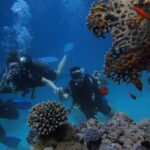
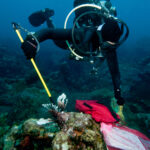
Preserving marine life has become a major challenge for every responsible travel enthusiast. Faced with the fragility of ecosystems, the desire to live an authentic experience often comes with a concern: how to enjoy underwater wonders without leaving harmful traces? By sharing advice from extended stays and immersions with local communities, I invite you to adopt respectful actions so that each adventure contributes to the protection of reefs and the well-being of coastal populations. This story will highlight the keys to responsible diving, the positive impacts of underwater ecotourism, and the concrete actions to prioritize to ensure a sustainable future for biodiversity.
How does underwater ecotourism contribute to the preservation of marine biodiversity?
Marine biodiversity fascinates with the richness of its life forms and complex interactions. Underwater ecotourism supports preservation by raising divers’ awareness of ecosystem fragility. Adopting responsible behaviors promotes the protection of marine biodiversity and ensures the sustainability of explored sites.
Comparison of underwater ecotourism initiatives and their impact
| Type of initiative | Benefits for the marine ecosystem | Diver involvement | Geographical area |
|---|---|---|---|
| Clubs sharing boats | Reduction of pollution and fuel consumption | Active participation in limiting carbon footprint | Mediterranean, Caribbean |
| Buoyancy training | Preservation of corals and gorgonians | Improvement of individual techniques | Indonesia, Red Sea |
| Reef cleaning | Improvement of water quality and habitat | Waste collection during dives | Pacific, Indian Ocean |
| Coral planting programs | Restoration of underwater biodiversity | Commitment to reef reconstruction | Polynesia, Philippines |
The marine ecosystem represents a reservoir of life to protect. Divers discover the importance of respecting dive sites, avoid any contact with fauna and flora, and support the natural regeneration of habitats. Becoming aware of collective responsibility encourages responsible diving.
Marine conservation centers train and raise awareness about environmental issues. These organizations offer educational programs and cleaning operations, involving travelers in resource preservation. Local and international engagement remains the key to sustainable tourism.
Examples of concrete actions to adopt to preserve marine biodiversity
- Choose eco-responsible diving clubs
- Avoid feeding wild animals
- Limit the use of single-use plastics
- Participate in underwater cleaning operations
- Use environmentally friendly sunscreens
What respectful practices should be adopted to limit environmental impact during dives?
Responsible diving relies on buoyancy control, essential to avoid damaging corals and fragile organisms on the seabed. Keeping a distance from animals and natural formations reduces stress and preserves ecological balances.
Limiting environmental impact involves selecting clubs that pool sea outings. Reducing the number of boat trips decreases pollution and fuel consumption, while preserving the tranquility of diving sites.
Using appropriate equipment, such as reusable water bottles and waterproof bags to collect waste, contributes to reef protection. These simple actions help safeguard marine natural habitats and preserve their richness.
Tips for ecological and responsible dives
- Master your buoyancy in all circumstances
- Never touch corals, fish, or shells
- Pick up waste encountered during outings
- Maintain a safe distance from wildlife
- Prefer biodegradable sunscreens
- Favor clubs committed to waste management
Why are waste management and the fight against plastic pollution essential in the marine environment?

Waste management remains a major challenge for ocean preservation. Plastic discarded or lost at sea severely harms marine fauna and biodiversity, causing irreversible damage to ecosystems. Adopting reusable solutions limits these negative impacts.
Every year, thousands of tons of plastic pollution end up in the oceans, affecting the feeding and survival of many species. Using metal water bottles, refusing disposable bags, and picking up waste encountered during dives contribute to improving the quality of the environments.
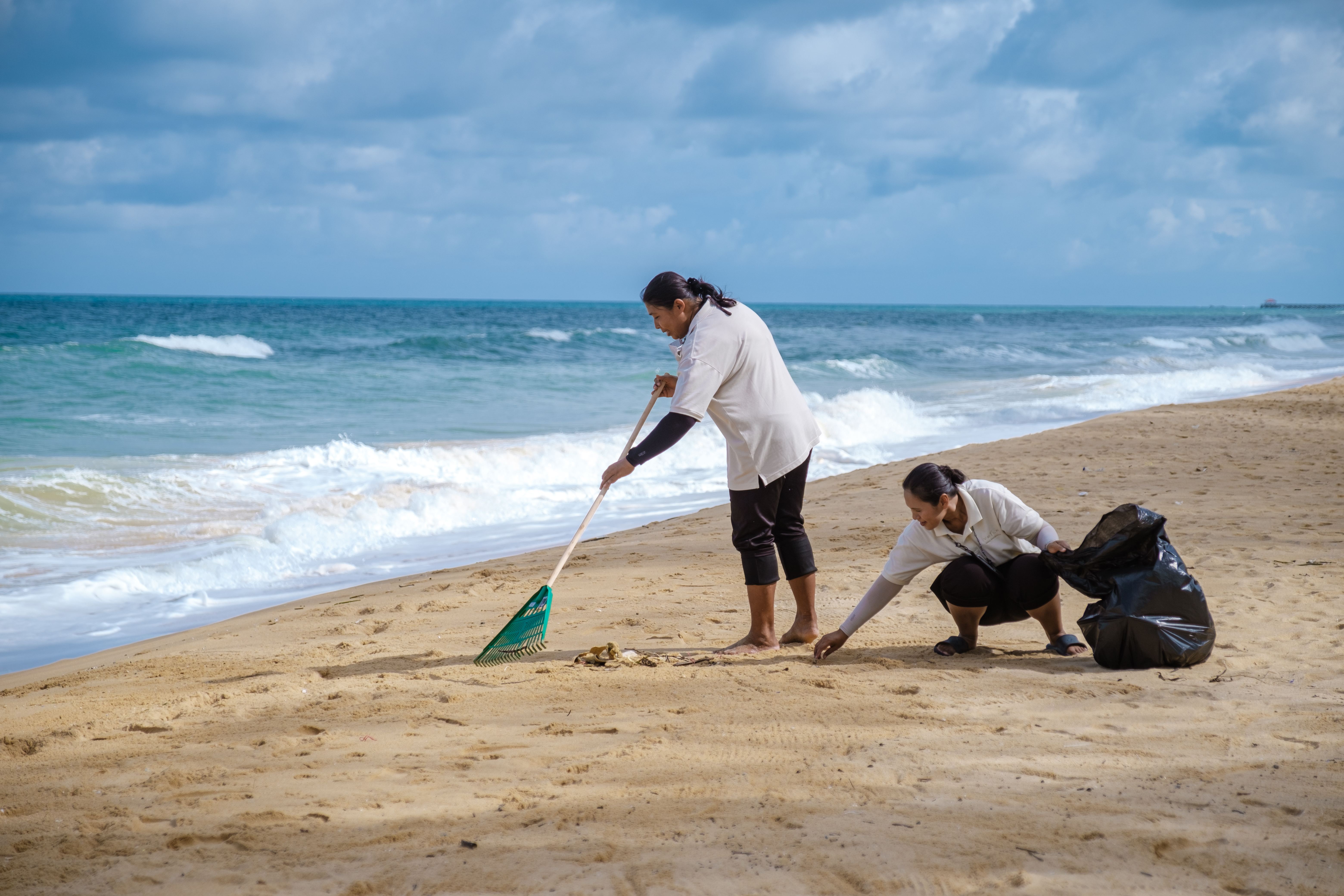
Participating in beach and seabed cleanup operations strengthens collective awareness. Supporting marine conservation initiatives and reef restoration programs creates a virtuous circle for the preservation of natural habitats.
How to choose a dive center committed to protecting underwater biodiversity?
A committed dive center displays its actions for underwater biodiversity and offers training focused on reef protection. These organizations collaborate with NGOs and scientists to restore damaged sites and monitor the state of marine populations.
Choosing an eco-responsible certified club guarantees the application of respectful practices and limits the environmental impact of activities. Divers benefit from continuous education, learn to recognize protected species, and avoid any disruptive behavior.
Participating in volunteer programs or research missions allows direct involvement in marine conservation. The experience gained strengthens understanding of the issues and encourages spreading good practices around oneself.
Criteria for selecting an eco-responsible dive center
- Environmental commitment: Presence of a code of good practices
- Training: Courses on the preservation of marine ecosystems
- Concrete actions: Cleaning, reef restoration, data collection
- Partnerships: Collaboration with NGOs and local communities
- Transparency: Communication on the impact of activities
During a dive in Raja Ampat, divers observed the spectacular regrowth of corals planted by a local team, tangible proof of the effectiveness of marine restoration actions.
The impact of sunscreen on marine seabeds is an essential aspect to consider for practicing responsible underwater ecotourism and preserving biodiversity and the marine ecosystem during each dive.
What are the benefits of underwater ecotourism for local communities?
Underwater ecotourism promotes the creation of specialized jobs for inhabitants of coastal areas. Guides, instructors, biologists, and artisans benefit from the enhancement of dive sites and participate in the sustainable management of resources. The development of services respectful of the marine ecosystem ensures stable incomes while preserving natural wealth.
Local initiatives focused on marine conservation encourage environmental education and direct involvement of residents. Workshops, awareness campaigns, and observation programs strengthen the connection between the population and underwater biodiversity. Visitors discover a culture committed to reef protection and the transmission of sustainable practices.
Examples of positive impacts on coastal communities
| Local initiative | Benefit for the community | Geographical area |
|---|---|---|
| Creation of marine reserves | Increase in fishery resources | Madagascar |
| Training of eco-guides | Qualified jobs and knowledge transfer | Mexico |
| Promotion of local crafts | Enhancement of traditions and additional income | Fiji Islands |
| Development of ecolodges | Sustainable accommodation and local investment | Thailand |
| School awareness programs | Education on biodiversity preservation | Philippines |
Role of local guides in ecosystem preservation
Local guides convey to visitors the importance of respectful practices and share their knowledge of natural habitats. Their expertise allows adapting visits to seasons and present species, thus limiting environmental impact while enriching the educational experience.
Enhancement of crafts and sustainable products
Underwater ecotourism offers a showcase for artisans who offer objects made from local or recycled materials. This approach encourages the reduction of plastic pollution and supports a circular economy focused on biodiversity preservation.
Environmental education for younger generations
Educational programs integrated into ecotourism raise children’s awareness of reef protection and waste management. Practical workshops and supervised outings develop a lasting ecological consciousness from an early age.
Community participation in the management of protected areas
The inhabitants are involved in monitoring diving sites and restoring natural habitats. This participatory management ensures better protection of underwater biodiversity and highlights local expertise.
- Promote local employment in diving activities
- Encourage the purchase of eco-friendly souvenirs
- Participate in awareness workshops
- Support community management initiatives
- Favor sustainable accommodations
How does underwater ecotourism shape the future of marine protection?
Adopting an approach based on ecotourism transforms the relationship between humans and the marine ecosystem. Every aware diver contributes to spreading respectful practices and defending biodiversity. The experiences lived inspire commitment to protecting reefs and supporting local communities in their preservation projects. The future of marine conservation relies on collective awareness and the choice of responsible tourism.
“The sea, once it has cast its spell, holds a person in its net of wonder forever.” — Jacques-Yves Cousteau
FAQ: Your questions about underwater ecotourism and marine preservation
How to travel eco-responsibly while exploring the seabed?
Choosing destinations where diving centers have a clear environmental protection policy remains essential. Preparing your reusable equipment, selecting certified operators, and participating in local conservation actions enrich your experience while minimizing your impact on the ecosystems visited.
What common mistakes should be avoided during a first eco-responsible dive?
Touching corals, feeding wildlife, or using polluting products are among the actions to avoid. Staying attentive to guides’ instructions, maintaining good buoyancy, and adopting a respectful attitude towards marine life ensure a dive that is beneficial for nature and enriching for the diver.
To deepen your discovery of underwater ecotourism and adopt responsible practices during your explorations, find out how to protect the seabed while diving and thus actively contribute to the preservation of aquatic biodiversity.