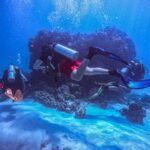
Invisible waste, endangered wildlife, meaningful actions: each dive into the seabed reveals the extent of a silent threat disrupting the balance of underwater life. Feeling the direct impact of pollution on once-pristine landscapes evokes a sense of urgency and helplessness, amplified by the sight of trapped animals or suffocated corals.
In the face of this reality, taking part in a collective cleanup effort not only allows for concrete action but also transforms one’s own relationship with nature. Understanding the types of waste present, equipping oneself properly, joining local initiatives, and measuring the impact of each collection: this is the path to follow to preserve biodiversity and rediscover the deeper meaning of responsible travel.
What types of waste are present on the Mediterranean seabed?
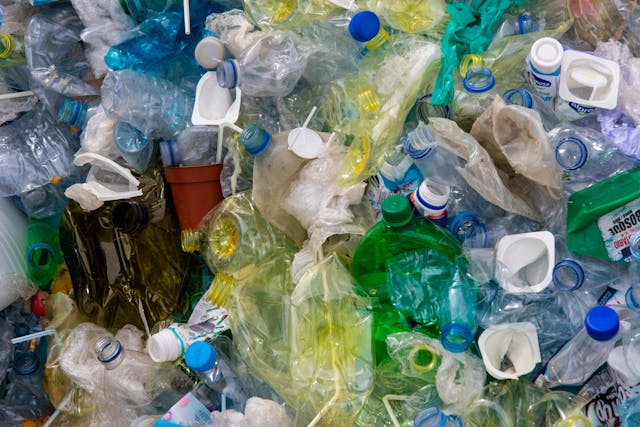
Waste found on natural beaches and in the sea poses a major environmental challenge. Macro-waste such as bottles, cans, textiles, and micro-waste like cigarette butts or plastic fragments accumulate on the seabed and threaten marine life.
Each piece of waste has a significant lifespan. A plastic bag can last between 100 and 1,000 years, a glass bottle about 4,000 years. These items become traps for marine mammals, birds, and fish.
Categories of recorded waste
- Waste: Glass bottles, cans, textiles
- Macro-waste: Nets, bags, bulky plastics
- Micro-waste: Cigarette butts, plastic fragments, microbeads
- Pollution: Remnants of nets and fishing equipment
How are cleanup operations organized?
Associations such as SOS Grand Bleu, in partnership with diving clubs, the city of Saint-Jean-Cap-Ferrat, and the firefighters of Nice, organize annual collection actions to fight pollution in the seabed.
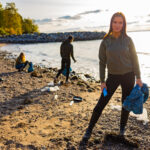
Participation in these actions involves following safety instructions, wearing appropriate equipment, and contributing to waste collection while respecting the marine environment.
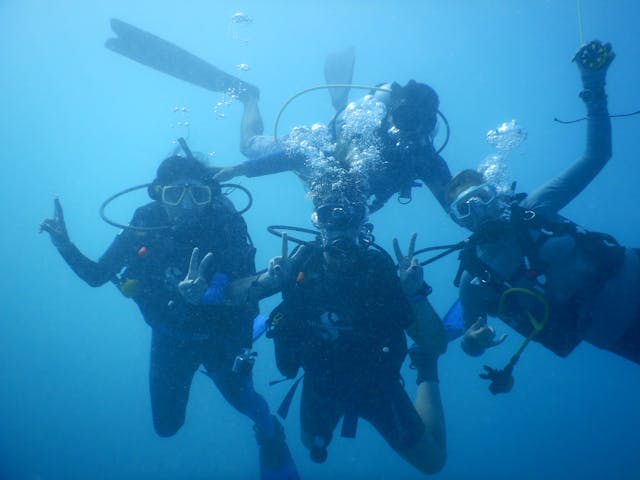
Key steps for a successful operation
- Registration with an association or club
- Briefing on safety and environmental protection
- Distribution of collection equipment
- Sorting waste on the surface and underwater
- Transfer of waste to the recycling center
What equipment and precautions for a useful dive?
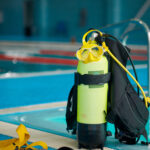
To ensure the protection of biodiversity and the safety of volunteers, it is necessary to equip oneself with a diving suit, gloves, appropriate bags, and to strictly follow the recommendations of the supervisors.
Respecting the rules for conserving marine heritage and avoiding disturbing wildlife during collection helps preserve the environment while maximizing the impact of each action.
What are the benefits of participating in these cleanup actions?
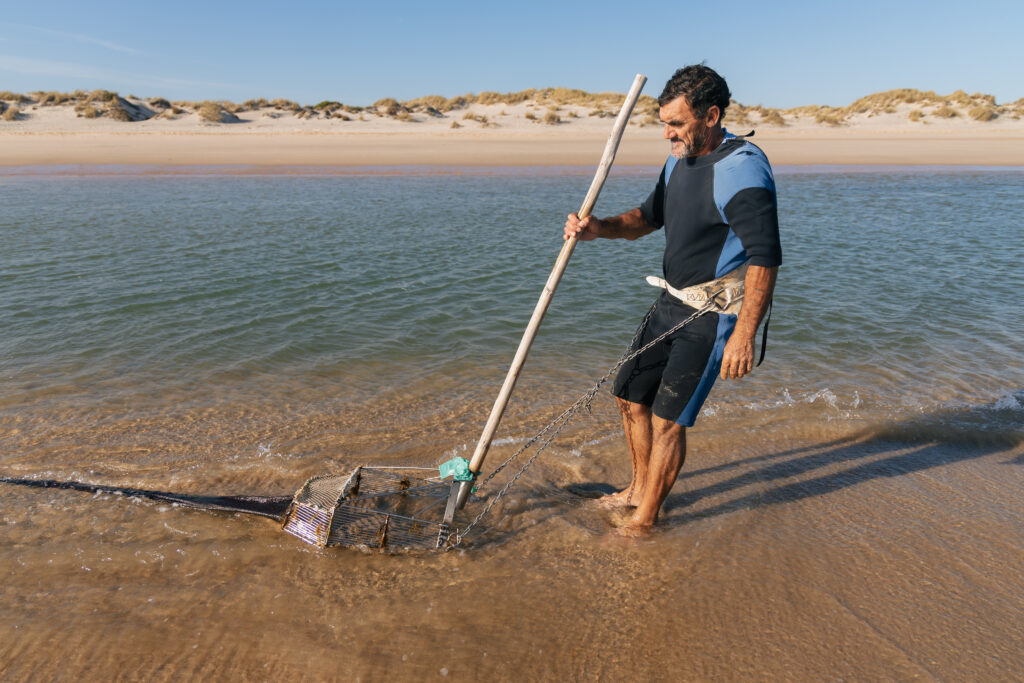
Engaging in waste collection during a dive offers a unique opportunity to contribute to the protection of marine life, while experiencing a rewarding and educational experience.
Public awareness of plastic pollution and the need to conserve marine heritage is strengthened through the direct involvement of each volunteer.
Which other associations organize marine cleanups?
SOS Grand Bleu is not the only organization to organize sea collection actions. Sea Shepherd and Surfrider Foundation also offer coordinated operations with volunteers and local partners.
These organizations work for environmental awareness and sustainable protection by multiplying collection campaigns to preserve the biodiversity of the seabed.
Associations active in marine conservation
- SOS Grand Bleu: Annual cleanups in Saint-Jean-Cap-Ferrat
- Sea Shepherd: International collection campaigns
- Surfrider Foundation: Awareness and collection actions on beaches
During an operation in Saint-Jean-Cap-Ferrat, volunteers removed more than 1,500 kg of waste in one morning, revealing the concrete impact of collective action for the protection of the sea.
To discover other ways to act concretely for the preservation of the oceans, you can consult this article on ecological diving initiatives which presents several actions accessible to all marine life enthusiasts.
To learn more about the impact of the products we use during your outings at sea, find out why sunscreen is bad for the seabed and how to adapt your habits to preserve marine life.
How to become an actor in the protection of the seabed during a dive?
Participating in a dive dedicated to collection offers the opportunity to get directly involved in the protection of the seabed. Registering with a club or association allows access to supervised sessions, where each action contributes to the preservation of biodiversity. This approach promotes awareness and encourages citizen engagement for the environment.
The choice of dive site plays an essential role. Prioritizing areas identified as sensitive or affected by pollution maximizes the impact of the collection. Supervisors share their expertise to ensure safety and guarantee effective collection, while ensuring the conservation of marine heritage.
Each participant receives training on waste handling and the selection of items to be removed. Instructions include identifying macro-waste and micro-waste, as well as managing hazardous objects, to protect marine life and ensure responsible action.
The importance of awareness during cleanup operations
Awareness plays a central role in every cleanup action. Organizers offer workshops to explain the consequences of plastic pollution on the sea and biodiversity. This approach aims to firmly establish eco-responsible behaviors and to convey the importance of protecting the seabed to a broad audience.
Scientific monitoring and evaluation of results
After each collection session, the collected waste is sorted and quantified. This data feeds into studies on pollution and allows for adjustments to conservation strategies. This scientific monitoring helps to better understand the issues related to the protection of marine heritage and to measure the impact of the actions taken.
- Registration with a dedicated club or association
- Participation in an environmental awareness briefing
- Choice of a site with high ecological stakes
- Supervised collection of macro-waste and micro-waste
- Sorting and quantification of waste at the end of the operation
- Transmission of results to scientific monitoring programs
Why is citizen mobilization essential to preserve the seabed?
The mobilization of volunteers and diving enthusiasts is a powerful lever for the protection of marine biodiversity. Collective engagement during collection actions helps reduce pollution and preserve ecosystem balance. Each participation strengthens awareness and inspires other citizens to act for a healthier environment.
“The sea begins here, with every action we take.”
FAQ for engaged and curious divers about marine protection
How to prepare for your first participation in an underwater cleanup dive?
Before joining an operation, inquire with the club or association about the necessary equipment, sea conditions, and specific recommendations for the chosen site. A brief training on safety and waste sorting will be offered on site. Also, plan for good hydration and arrive rested to fully enjoy this solidarity experience.
Can a tangible difference be observed on cleaned sites after a collective action?
Immediately after a cleanup action, the seabed often presents a transformed landscape. Divers report a visible reduction in waste and a gradual return of local wildlife, bringing real satisfaction and strengthening the desire to continue these initiatives to sustainably preserve the beauty of the oceans.