
Do you dream of a break where well-being and nature unite in a spectacular setting? The Blue Lagoon in Iceland offers a unique sensory experience, between turquoise waters, enveloping warmth, and rare mineral properties. Faced with the influx and the search for authenticity, it becomes necessary to understand how the site works, its benefits for the skin, and the secrets of a successful visit. Through this story, you will find practical advice, an analysis of environmental issues, and a dive into the local culture, to turn your stay into an unforgettable memory.
What are the origins of the Blue Lagoon Iceland and how has it evolved over time?
The Blue Lagoon, located in the southwest of Iceland, originates from the Svartsengi geothermal power plant, commissioned in 1976. This station draws pressurized water from more than two thousand meters deep, heated to 240 degrees Celsius, creating a unique geothermal property. The excess mineralized waters are released into an artificial basin, forming a lagoon characterized by its turquoise color and remarkable aquatic properties.
The site quickly attracted the local population for its therapeutic properties and effects on the skin. From the 1980s, the spa’s reputation spread, then the opening of a modern center allowed it to welcome an international audience. The lagoon is today a symbol of wellness and relaxation properties in Iceland.
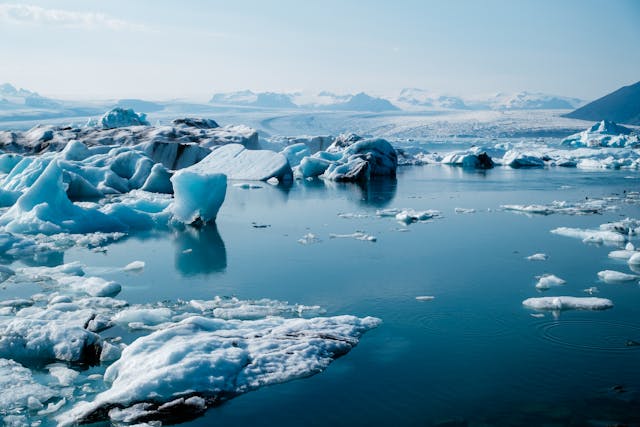
Key milestones in the history of the Blue Lagoon Iceland
- 1976: Opening of the Svartsengi geothermal power plant
- 1981: First swim to test the healing properties
- 1992: Creation of Blue Lagoon Limited, a research center on minerals
- 1999: Modernization of the spa and opening of a hotel
- 2005: Inauguration of a clinic dedicated to psoriasis treatment
What are the physical and mineral characteristics of the Blue Lagoon Iceland?
The water of the Blue Lagoon is supplied by the nearby geothermal power plant, maintaining a constant temperature of 39 degrees Celsius throughout the year. Its mineral property results from the dissolution of silica and minerals present in the volcanic rock, offering a natural property sought after for well-being and relaxation.
The lagoon is distinguished by its milky turquoise color, attributed to blue-green algae and the high concentration of silica. This composition gives the water a silky texture and dermatological benefits for the skin.
Essential mineral and physical elements
- Silica: responsible for the texture and milky color
- Minerals: salts, silicates, blue-green algae
- Constant heat: 39 degrees Celsius
- Volcanic property: basin created in an active zone
- Salinity: 2.5% compared to 3.4% for Icelandic seawater
Why is the Blue Lagoon recognized for its benefits on skin and health?
The healing properties of the Blue Lagoon are recognized for the treatment of skin diseases such as psoriasis and eczema. The water, rich in minerals, silica, and algae, creates an ideal environment to improve the skin and promote relaxation.
A specialized clinic was opened in 2005 to offer tailored treatments, harnessing the therapeutic properties of the site. Many visitors report a lasting sense of well-being after their time in the waters of the lagoon.
How to access the Blue Lagoon in Iceland and what facilities are offered to visitors?
The Blue Lagoon is located just forty minutes from Reykjavik, easily accessible by road. A modern reception center in Grindavík offers various services to ensure an optimal wellness and relaxation experience.
The facilities include a spa, a treatment center, saunas, a hot bath, a waterfall, and massage areas. The water temperature is maintained at 39 degrees, ensuring a constant warmth conducive to relaxation.
What are the environmental and scientific challenges related to the management of the Blue Lagoon in Iceland?
The site is subject to strict monitoring to preserve its natural properties and limit the impact of geothermal exploitation. Regulations guarantee the protection of the volcanic property and the maintenance of water quality.
The Blue Lagoon remains a research center on silica, minerals, and algae, contributing to the development of innovative skin care and dermatological properties. The sustainable exploitation of this aquatic property makes it a model for other geothermal sites worldwide.
In 1981, Valur Margeirsson was the first to test the healing properties of the Blue Lagoon by bathing to relieve his psoriasis.
To discover other destinations where water and well-being combine wonderfully after your immersion in the turquoise waters of the Blue Lagoon in Iceland, explore the most beautiful diving sites in the world with this guide specialized in aquatic experiences, and let yourself be inspired by new horizons.
How to fully enjoy the experience at the Blue Lagoon Iceland?
Planning a visit to the Blue Lagoon requires anticipating the crowds, especially during tourist seasons. Booking in advance ensures access to the facilities and optimizes time on site. The constant water temperature offers a enveloping warmth sensation, ideal for relaxing after a day of discovery in Iceland.
Each area of the spa offers a different experience. Silica and algae masks are available for self-service, promoting dermatological properties and relaxation. Visitors can alternate between hot baths, resting areas, and jet showers, for a complete wellness-focused journey.
Local expert advice recommends staying hydrated regularly and protecting hair, as the high mineral content can dry it out. Taking the time to float in the turquoise water allows you to feel the natural properties and soak up the unique atmosphere of the site.
Specific treatments offered at the Blue Lagoon
The center offers personalized treatments adapted to each skin type. Treatments based on silica, algae, and minerals exploit the healing properties of the site. Wellness rituals are designed to meet visitors’ needs, promoting a deep relaxation experience.
The impact of the Blue Lagoon on contemporary Icelandic culture
The Blue Lagoon has established itself as a national symbol. It attracts both travelers and locals, becoming a meeting and exchange place around geothermal properties and well-being. Local traditions now incorporate this site into relaxation and care rituals, strengthening the link between nature and culture in Iceland.
- Book access online to avoid waiting
- Bring a suitable swimsuit and towel
- Use the silica masks available on site
- Alternate between hot baths and resting areas
- Protect hair with a moisturizing treatment
- Take advantage of therapists’ advice to personalize the experience
Why does the Blue Lagoon Iceland attract so many travelers seeking well-being and authenticity?
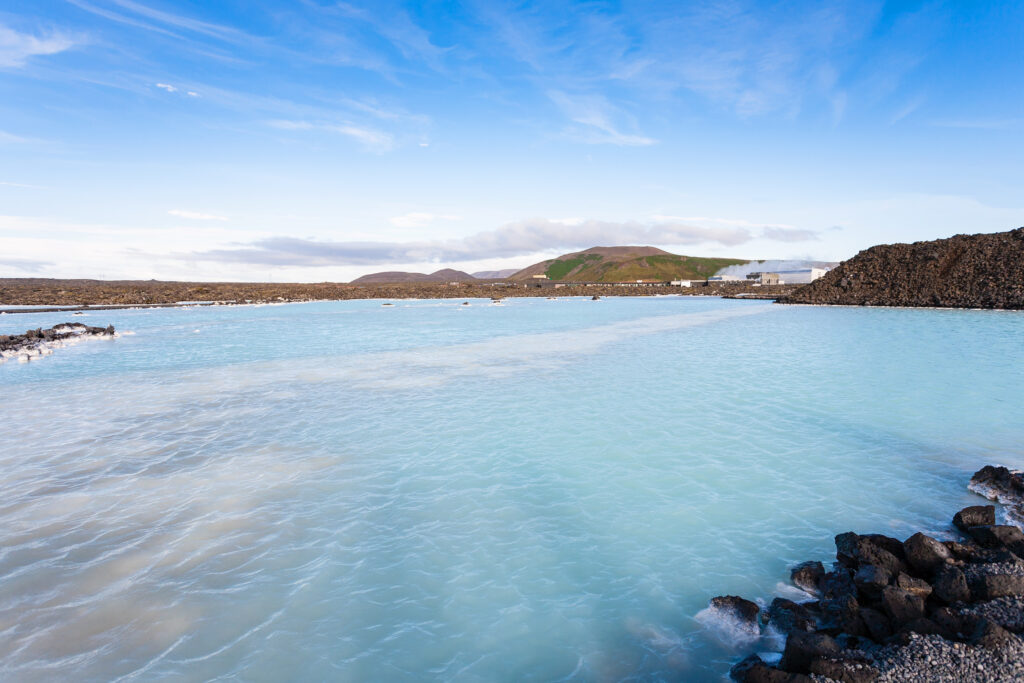
The Blue Lagoon combines natural and relaxing properties in a spectacular setting. Visitors experience total immersion in geothermal warmth, turquoise color, and beneficial minerals. This unique experience in Iceland invites discovery, relaxation, and exploration of exceptional aquatic properties, offering everyone the opportunity to reconnect with nature and open up to new horizons.
Practical FAQ for an enriched experience at the Blue Lagoon Iceland
What are the best times of day to enjoy a more peaceful atmosphere at the Blue Lagoon?
Dawn and late afternoon offer a more serene atmosphere, away from the crowds of peak hours. By choosing these time slots, you will benefit from changing colors on the lagoon and a tranquility conducive to relaxation, particularly appreciated by those seeking an intimate immersion in this Icelandic setting.
Can the Blue Lagoon be visited even in winter and what sensations does this season bring?
Visiting in winter provides striking contrasts between the warmth of the water and the coolness of the air. Floating in the lagoon’s steam while snow covers the surroundings enhances the magic of the place. This period often allows for observing the northern lights, adding a memorable dimension to the experience.
How to reconcile discovering the Blue Lagoon and respecting the local environment during your visit?
Following on-site instructions, limiting the use of chemical products, and respecting natural spaces help preserve this unique site. Favoring public transport from Reykjavik also reduces the carbon footprint associated with the visit, thus promoting a responsible approach to tourism in Iceland.
.reponse {
display: none;
}
// Ajouter des écouteurs d’événements pour chaque case cochée
document.querySelectorAll(‘input[type=”radio”]’).forEach(function(input) {
input.addEventListener(‘change’, function() {
var reponseId = ‘reponse’ + this.getAttribute(‘name’).replace(‘question’, ”);
var reponse = document.getElementById(reponseId);
// Masquer toutes les réponses
document.querySelectorAll(‘.reponse’).forEach(function(autreReponse) {
autreReponse.style.display = ‘none’;
});
if (this.checked) {
// Afficher la réponse correspondante
reponse.style.display = ‘block’;
}
});
});
Related posts:
 Blablacar carpooling and bus platform for an economical and secure trip in Europe
 Skyscanner the flight comparison platform for economical and flexible travel booking
 Where to go to enjoy a cheap paradise island and live a dream vacation?
 Side Turkey between ancient port, ruins and beaches for cultural and seaside holidays