Sensorial escape, turquoise waters and abundant marine life: Réunion Island makes those who seek to get away from everyday life dream, to feel the intensity of a preserved environment and to live authentic experiences. If the call of raw nature, curiosity for spectacular volcanic landscapes, and the desire to share rare moments with marine wildlife resonate with you, it can sometimes be difficult to know how to fully enjoy these treasures while respecting the island’s fragile balance. Choice of center, best period, suitable equipment: every detail counts to ensure a safe, enriching, and respectful immersion. This guide accompanies you step by step, providing the keys to an unforgettable experience, shaped by years of practice and a deep passion for preserving Réunion’s biodiversity.
What are the unique advantages of diving in Réunion?
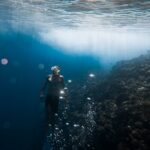
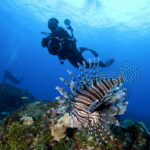
Diving in Réunion offers direct access to a preserved natural environment, characterized by turquoise waters and exceptional marine richness. You will discover impressive biodiversity, ranging from colorful coral reefs to tropical fish, sea turtles, dolphins, and whales in season. These sites allow diving in a natural setting that captivates with the diversity of fauna and the beauty of underwater landscapes.

Réunion also stands out for the variety of its seabeds: volcanic drop-offs, arches, caves, cavities, and schools of fish. Marine diving sites are accessible to all levels, from beginner to advanced divers, with options for guided diving or free diving according to your desires and skills.
Must-see sites and experiences
- Saint-Leu Bay: Coral reefs, volcanic drop-offs
- Saint-Gilles: Turtles, rays, natural arches
- Saint-Pierre: Underwater cavities, schools of tropical fish
- Le Port: Endemic fauna, volcanic caves
- Whale watching: Season from June to October
How to choose the diving center suited to your needs?
Diving centers in protected environments in Réunion provide professional supervision, optimal safety, and strict respect for the ecosystem. It is advisable to select a center offering recent equipment, a comprehensive safety briefing, and experienced guides for peaceful diving in the wild.
Main establishments such as Abyss Plongée, Réunion Plongée, Corail Plongée, Bleu Marine Réunion, or Excelsus Plongée are located near tourist areas to facilitate access to sites. Prices vary according to the service, from warm water discovery dives to certified training in tropical water diving.
Selection criteria for centers
- Proximity to sites and accessibility
- Supervision by certified professionals
- Quality and maintenance of equipment
- Options for calm water diving or deep water diving
- Additional services (accommodation, transport)
What are the best times to dive in Réunion?

Shallow water diving or open water diving in Réunion is ideal from May to November, when the weather is stable and visibility is excellent. The dry season guarantees optimal conditions, while the cyclone season, from December to April, presents a risk of rough waters and reduced visibility.
Each month brings its own specifics, with the presence of humpback whales from June to October, and moderate tourist crowds at the beginning and end of the season. Centers recommend checking weather conditions before any closed water or scuba diving to ensure a safe and enjoyable experience.
What types of diving and activities are offered to visitors?
Réunion offers a wide range of activities, from introductory dives and snorkeling for beginners, to technical and night diving for enthusiasts. Guided explorations, PADI certification courses, and special outings for boat diving or beach diving are available throughout the year.
Sites such as Saint-Gilles, Saint-Leu, or Saint-Pierre also offer unique nearby diving experiences, allowing close observation of endemic wildlife and volcanic landscapes. The duration of a dive varies depending on the activity, from 20 minutes for an introductory dive to over an hour for an exploration dive.
How to prepare and organize a diving trip in Réunion?
For a successful diving season, it is advisable to book in advance and prepare a medical certificate, sufficient swimming skills, and respect for environmental guidelines. Equipment is provided on site, including wetsuit, mask, fins, and vest, with a safety briefing before each recreational or sport dive.
Departures mostly take place in the morning, starting from 7 a.m., with professional accompaniment ensuring safety and comfort. Most centers also offer nearby accommodations, facilitating access to open water or closed water diving spots.
Checklist for a successful outing
- Online or phone reservation
- Preparation of medical certificate
- Choice of site and type of diving
- Verification of weather conditions
- Respect for biodiversity protection rules
A lucky diver recently observed a pod of dolphins during an exploration dive off Saint-Leu, a rare spectacle in Réunion waters.
Quiz: Discovering Diving in Réunion
What is the ideal season for diving in Réunion?
Which site is known for its underwater cavities and schools of tropical fish?
What wildlife can be observed during the season from June to October?
What equipment is essential for diving in tropical waters?
Which diving center is mentioned as an option in Réunion?
For those who wish to further explore the underwater wonders after discovering diving in Réunion, it may be interesting to consult this guide to the best snorkeling destinations in the world to prepare your next aquatic adventures.
What equipment and training should be prioritized for an optimal experience?
A wise choice of equipment ensures a safe and comfortable dive. Suits adapted to the temperature of tropical waters, ergonomic fins, and wide field-of-view masks promote prolonged exploration of the marine environment. Centers in Réunion offer recent equipment, regularly checked, guaranteeing a worry-free immersion in warm waters.
Diving training covers several levels, from beginner to advanced. PADI and FFESSM certifications issued locally open access to deep water diving or technical diving. These courses include modules on safety, equipment management, and observation of underwater biodiversity.
Support from experienced instructors promotes the progress of practitioners. Theoretical sessions precede each guided dive, strengthening participants’ confidence. This approach reassures, especially during night diving or diving in calm waters, where the environment differs significantly from daytime.
Differences between open water diving and confined water diving
Open water diving in Réunion is mainly practiced at sea, offering a panoramic view of the reefs and mobile wildlife. In contrast, closed water diving takes place in lagoons or protected areas, ideal for initiation or static observation. Each option has advantages, depending on the experience sought and the diver’s comfort level.
Impact of seasonality on visibility and wildlife
The season affects water clarity and the presence of emblematic species. The dry season, from May to November, favors tropical water diving with increased visibility and intense marine activity. The austral winter months see the arrival of whales, while summer attracts more pelagic fish and turtles.
- Choose a wetsuit suitable for the water temperature
- Follow a recognized certification training
- Prefer supervised sessions for beginners
- Adapt the choice of site to the season
- Check the maintenance of the provided equipment
Why does diving in Réunion attract nature lovers so much?
Natural environment diving in Réunion attracts with the diversity of its underwater landscapes, the accessibility of sites, and the richness of biodiversity. Exploration diving enthusiasts appreciate the possibility of observing rare species, exploring volcanic seabeds, and experiencing unique marine encounters. This destination offers a balance between adventure, safety, and discovery, meeting the expectations of both enthusiasts and beginners.
Practical FAQ on diving in Réunion: explorer tips
Can you dive in Réunion without prior experience?
The island offers many beginner dives, supervised by certified instructors. Personalized supervision allows a first immersion in complete safety, offering the discovery of the underwater world without requiring prior certification. Sites suitable for novices guarantee an accessible and memorable experience.
Is diving in Réunion suitable for children or families?
Some centers welcome the youngest from 8 years old for initiations in lagoons or protected pools. Family outings are organized in calm areas, with equipment adapted to the children’s morphology. This approach promotes sharing a common adventure and raises awareness about ocean preservation.
What souvenirs to bring back from a diving trip on the island?
Many centers offer souvenir photos or videos taken by professionals during the dives. These materials immortalize the magical moment of an encounter with a turtle or a school of tropical fish. You can also bring back new knowledge about the local fauna, acquired thanks to briefings from passionate guides.