
Between tropical islands bathed by trade winds, abundant biodiversity, and mixed cultures shaped by centuries of history, the Caribbean offers a landscape of striking contrasts. In this island labyrinth, every step reveals the traces of indigenous peoples, the deep mark of colonization, and the vitality of Creole traditions. Languages sing, markets buzz, and the cuisine entices with its scents of spices and adventure.
In the face of the rise of mass tourism, the curious traveler seeks to preserve authenticity, to understand the strength of local identities, and to open up to the stories of those who live to the rhythm of the Antilles. This narrative invites you to explore the geography, history, languages, and gastronomy of these lands, offering concrete landmarks and advice for a rewarding and respectful experience.
What geographical and climatic elements shape the Caribbean?
Tropical islands stretch over more than seven hundred islands, islets, reefs, and cays. The geography of the Caribbean presents remarkable diversity, between mountains, plains, and white sandy beaches. The Antilles group the large islands to the north and the smaller ones to the south and east, each offering unique natural wealth.
The tropical climate of the Caribbean is influenced by sea temperature and abundant rainfall. The trade winds contribute to the formation of lush forests and semi-arid climates depending on altitude. The hurricane season, from June to November, marks local life and the biodiversity of the islands every year.
The ecosystems of the Caribbean harbor exceptional biodiversity. Tropical forests, cloud forests, and coral reefs constitute unique habitats for thousands of species. Recent climate variations are causing sea level rise and stronger storms, altering the fragile balance of the region.
Main geographical landmarks
- Islands of the Greater Antilles: Cuba, Jamaica, Guadeloupe, Martinique
- Small Antilles: Leeward Islands, Windward Islands, Saint Martin
- Tropical climate with dry season and rainy season
- Presence of the Puerto Rico Trench, the deepest point in the Atlantic
- Influence of warm and humid trade winds
How have indigenous peoples and colonial history shaped the region?
The indigenous peoples of the Caribbean had occupied the region for several millennia before the arrival of Christopher Columbus. The Amerindians and native populations lived on the large and small islands, developing rich and varied cultures. Their presence is evidenced by remains dating back seven thousand years in southern Trinidad.
European colonization profoundly transformed the Caribbean. The arrival of the Spanish, Portuguese, and then other colonial powers led to a strong Western influence and the decline of indigenous populations. Brutal labor practices, slavery, and diseases decimated the population, largely replaced by Africans enslaved and brought to the region.
The progressive independence of the islands began with the Republic of Haiti in 1804, followed by other territories. The cultural diversity of the Caribbean was enriched by the arrival of contract workers from Africa, India, China, and Indonesia, giving rise to mixed societies with multiple identities.
Major historical milestones
- Presence of the Arawak, Carib, and other indigenous peoples
- European colonization after 1492
- Decimation of indigenous populations
- Importation of African slaves and workers of Asian origin
- Declarations of independence of the islands in the 19th century
What languages and cultures characterize the Caribbean today?
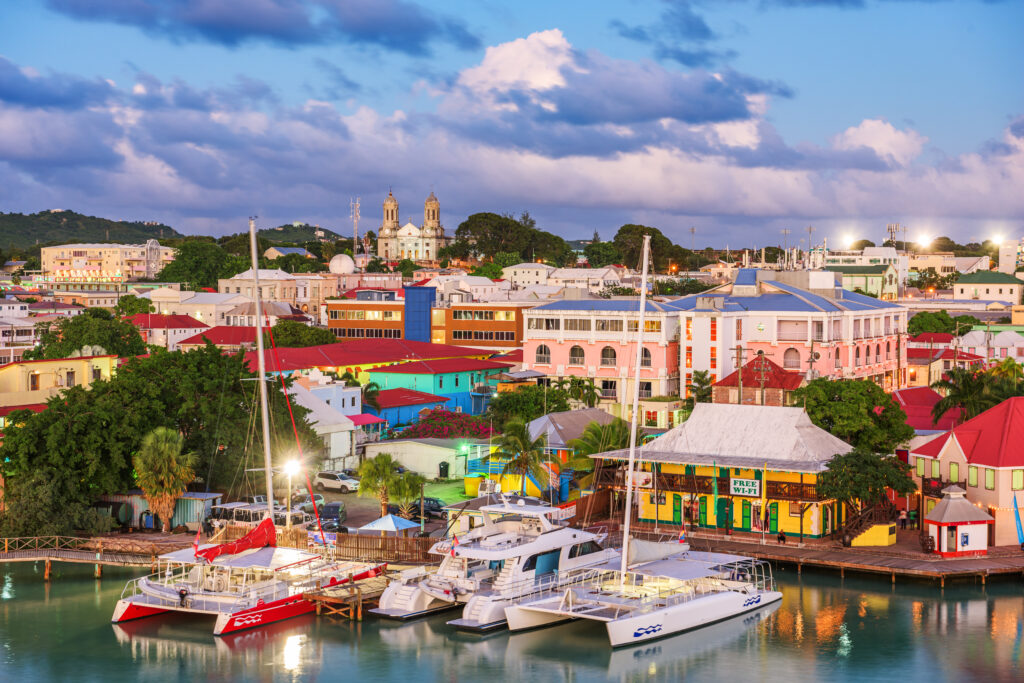
The languages of the Caribbean reflect great diversity, a result of colonial history and migrations. Official languages such as English, Spanish, French, and Dutch are distinguished, as well as vernacular and creole languages specific to each island. Regional and minority languages enrich the local linguistic heritage.
Creoles, born from the fusion of African, European, and Amerindian languages, are widely spoken on many islands such as Guadeloupe, Martinique, or the Dominican Republic. Some ancient languages remain alive, although others are endangered or disappearing due to societal changes.
The cultural richness of the Caribbean is expressed through music, dance, gastronomy, and religious rituals. Colonial and modern influences coexist with traditional practices, creating a unique identity for each island. Exchanges between living populations and ancient traditions strengthen this heritage.
Examples of languages and cultures
- Martinican and Guadeloupean Creole spoken daily
- Presence of Asian and African languages in certain communities
- European influence in music, architecture, and cuisine
- Vodou rituals in Haiti, heritage of African peoples
- Foreign languages taught in schools
Why are biodiversity and local cultures precious to travelers?
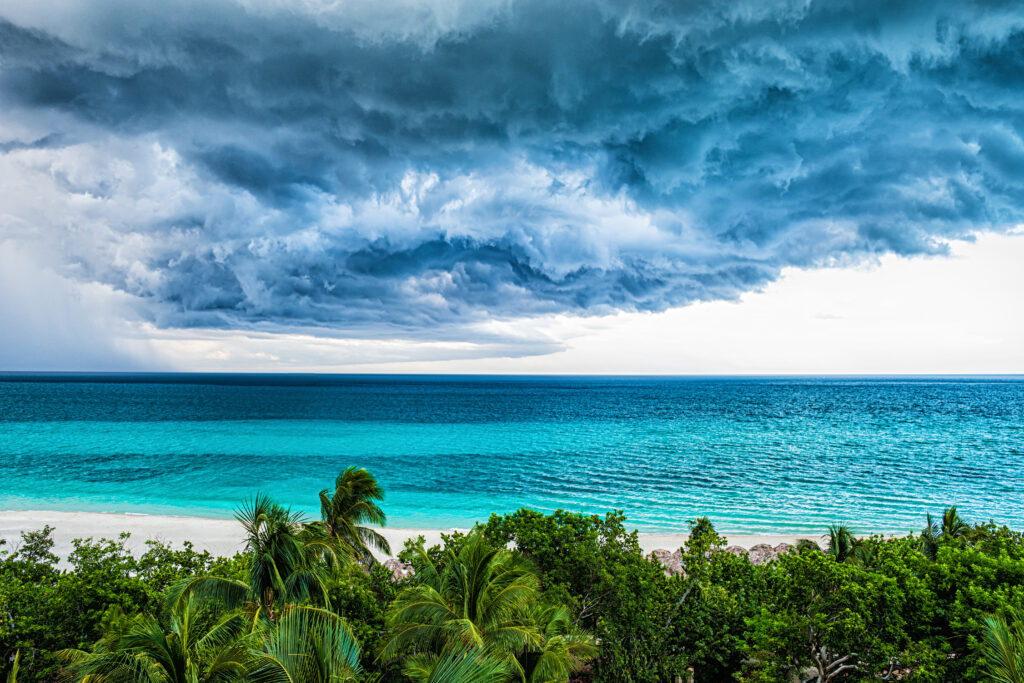
The biodiversity of the Caribbean attracts nature and adventure enthusiasts. Coral reefs, tropical forests, and diverse ecosystems shelter rare and endemic species. The diving sites, nature reserves, and hiking trails allow exploration of the natural wealth of each island.
Local cultures offer an authentic immersion into the history and daily life of the Caribbean. Festivals, colorful markets, crafts, and culinary specialties testify to the vitality of living traditions. Encounters with inhabitants reveal the diversity of African, Asian, and European influences in island lifestyles.
Protecting biodiversity and regional cultures is a major challenge for responsible travelers. Preserving reefs, supporting local initiatives, and promoting endangered or disappearing languages contribute to the transmission of heritage for future generations. Each visit helps recognize Caribbean identities and safeguard natural treasures.
Experiences to Prioritize
- Diving on the coral reefs of Guadeloupe, Martinique, and Saint-Barthélemy
- Discovering traditional markets and local specialties
- Participating in cultural festivals on each island
- Observing endemic species in the tropical forest
- Meeting artisans and bearers of Creole traditions
In Saint-Barthélemy, the Swedish language was official for nearly a century, a unique heritage in the Caribbean.
Quiz: The Caribbean between History, Biodiversity, Languages, and Cultures
What is the main influence shaping the tropical climate of the Caribbean?
Which indigenous peoples inhabited the Caribbean before the arrival of Christopher Columbus?
Which Creole language is widely spoken in Guadeloupe and Martinique?
What is a major characteristic of Caribbean cuisine?
Why is Caribbean biodiversity precious for travelers?
How Does Caribbean Cuisine Reflect the Cultural Diversity of the Islands?
The culinary traditions of the Caribbean reveal a unique blend. Creole flavors, African, Asian, and European influences mix in every dish. The markets of the Antilles abound with fresh products, fish, tropical fruits, spices, and root vegetables, illustrating the richness of the island lands. Each island has its specialties, from Guadeloupe’s colombo to Martinique’s court-bouillon, not to mention dishes based on rice, beans, and seafood.
The transmission of recipes is done orally, perpetuating ancient know-how and valuing vernacular languages during collective preparations. Local festivals offer the opportunity to taste rare dishes, sometimes reserved for major celebrations. Colonial influences are expressed through pastries, drinks, and the use of imported ingredients, while indigenous practices remain visible in wood-fire cooking or the use of medicinal plants.
Specificities of local markets
The markets of the Antilles are essential living spaces where fruit vendors, fishermen, and artisans mingle. The atmosphere is paced by conversations in Creole languages, the scents of spices, and the variety of products. These spaces promote the discovery of local food biodiversity and allow meeting inhabitants passionate about transmitting their culinary traditions.
Influence of migrations on gastronomy
Migratory waves have introduced new ingredients and techniques into Caribbean cuisine. Asian populations brought curry, ginger, and innovative preparation methods. African communities enriched dishes with spicy flavors and recipes based on cassava or yam. These successive contributions shape a living cuisine, reflecting the human diversity of the islands.
Gastronomic rituals and festivals
Religious festivals, carnivals, and family celebrations mark the year on each island. These events are opportunities to prepare traditional dishes, often passed down by elders. Recipes vary according to colonial or indigenous influences, and each celebration becomes a moment of sharing around emblematic dishes such as Christmas ham, Creole blood sausage, or cod fritters.
Contemporary evolution of Caribbean cuisine
The Caribbean gastronomic scene is experiencing a revival thanks to young chefs highlighting local products and ancient recipes. International openness encourages exchanges with other cultures, integrating new trends while preserving the culinary identity of the Antilles. Restaurants and guest tables offer authentic experiences, combining modernity and respect for heritage.
- Goat Colombo in Guadeloupe
- Fish Blaff in Martinique
- Rice with red beans in the Dominican Republic
- Cod fritters in the Antilles
- Bokit, typical fried sandwich of Guadeloupe
Why does exploring the Caribbean islands transform the vision of travel?
Discovering the Caribbean invites rethinking the notion of adventure and exchange. The diversity of the islands, the richness of living languages, and the strength of Creole traditions offer a unique human experience. Immersing oneself in biodiversity and regional cultures allows access to authentic ways of life and to forge deep bonds with inhabitants. Each encounter, each landscape, and each flavor contribute to broadening the perception of the world and nurturing an insatiable curiosity for the differences that make the beauty of the Antilles.
Frequently asked questions for traveling and exploring the Caribbean
What authentic experiences should be prioritized to avoid mass tourism in the Caribbean?
Favor staying with locals, participating in craft or culinary workshops, and discovering lesser-known villages. Meeting fishermen, sharing a traditional meal, or exploring trails off the beaten path promotes a respectful immersion into local cultures while supporting the island economy.
Does scuba diving really help to better understand Caribbean biodiversity?
Diving offers direct access to the richness of coral reefs and endemic species that are difficult to observe otherwise. You will discover the fragility of marine ecosystems and the impact of climate change, while experiencing intense moments with passionate guides who share their knowledge about underwater fauna and flora.
How to open up to linguistic diversity during a stay in the Antilles?
Learn the basics of the local Creole or interact with residents in their daily language to create a sincere connection. Attending shows, listening to traditional music, and visiting markets are all opportunities to hear and appreciate the variety of living languages that enrich the cultural wealth of each island.
The richness of the Caribbean is revealed through the diversity of its languages, the complexity of its history, and the preservation of its wildlife, but to better understand the beauty of its underwater world, discover the best diving sites in the Antilles and thus explore a lesser-known facet of this fascinating archipelago.
Related posts:
 Fjaðrárgljúfur in Iceland a spectacular canyon shaped by nature and glacial geology
 Visiting Heraklion on foot to explore authentic Crete between history and local flavors
 Thailand pass all you need to know about the mandatory QR code for entry into Thailand in 2025
 Bali beach between black sand and secret coves for unforgettable seaside experiences