
Between solidified lava and mysterious hot spring, Grjótagjá attracts all those seeking raw adventure, captivated by the power of geothermal energy and the aura of Icelandic mythology. Off the beaten path, this natural site fascinates with its contrasts: underground heat, legend of trolls, and breathtaking volcanic landscapes. Preparing your visit requires vigilance and respect for the geological phenomenon, to fully enjoy a unique sensory experience, enriched by local stories and practical advice from extended stays in the region.
Why does the Grjótagjá cave fascinate travelers from northern Iceland so much?
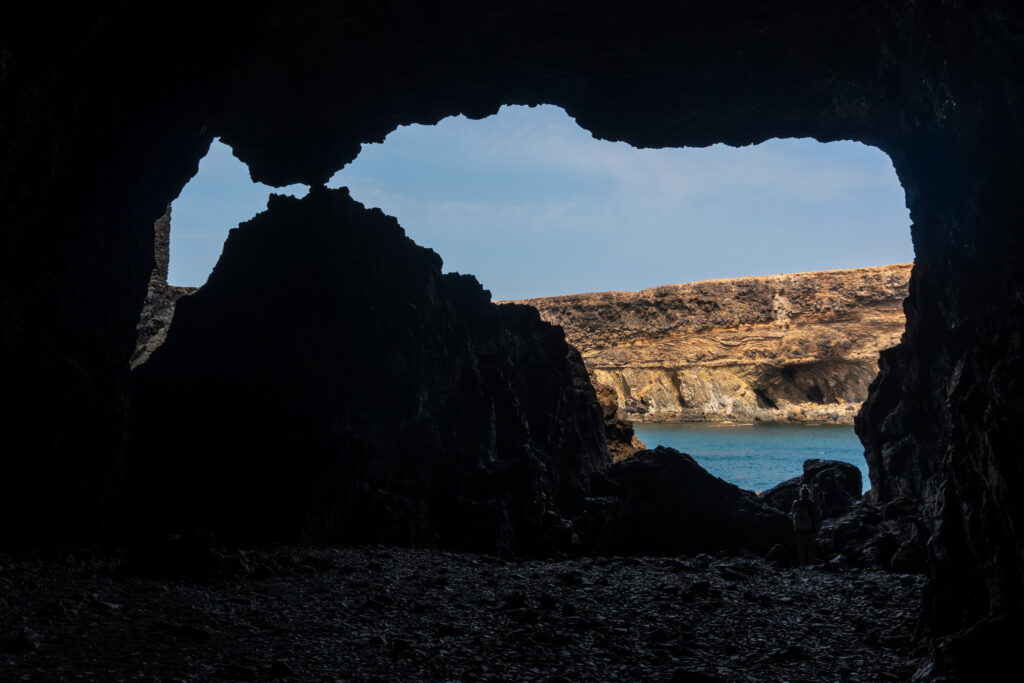
Located in the heart of northern Iceland, the Grjótagjá cave has attracted the curious for centuries thanks to its natural hot spring of astonishing intensity. The atmosphere in this natural site enchants with its play of light on the solidified lava and the clarity of its crystalline water. The contrast between the coolness outside and the heat emitted inside creates a rare sensory experience for every exploration.
Grjótagjá’s fame grew after its appearance in the Game of Thrones series, where the cave served as the setting for an iconic scene. Visitors feel the power of geothermal energy beneath their feet, with the water temperature varying according to geothermal activity and local geological phenomena. This peculiarity attracts hiking enthusiasts, geological curiosity lovers, and cinephiles from around the world.
The region around Lake Mývatn holds multiple tourist sites offering spectacular landscapes and immersion in volcanic rock formations. Every visitor leaves with the memory of an extraordinary discovery, between raw nature and cultural heritage.
The major assets of Grjótagjá
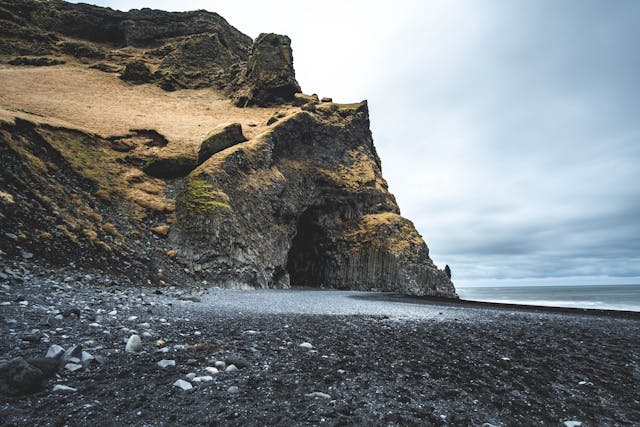
- cave: A fascinating underground space sculpted by lava
- hot spring: water naturally heated by geothermal energy
- north of Iceland: Region rich in natural sites and landscapes
- Grjótagjá: Famous for its appearance in Game of Thrones
How has the geological formation of Grjótagjá shaped its history?
The Grjótagjá cave was formed during a volcanic eruption, a common geological phenomenon in northern Iceland. The molten lava carved an underground tunnel, trapping a hot spring that now attracts discovery enthusiasts. The water temperature fluctuates, making swimming unpredictable.
The eruptions of the Krafla volcanic system between 1975 and 1984 altered the heat of the hot spring, pushing the temperature beyond 50 degrees Celsius. This instability transformed the cave into a place of adventure reserved for cautious exploration rather than swimming.
The proximity of the molten rock just two kilometers beneath the surface heightens scientific curiosity and the appeal of the tourist site. The whole area bears witness to the power of geothermal energy and the strength of the volcano in the region.
Essential Geological Elements to Know
- lava: Origin of the cave and the rock formation
- geological phenomenon: volcanic eruption and geothermal activity
- temperature: Variability depending on the volcano’s movements
What Unique Experiences Does Visiting Grjótagjá and Its Surroundings Offer?
The Grjótagjá cave invites discovery of a mythical hot spring and a geological adventure. The trail leading to the cave crosses a landscape of black lava and raw rock, offering an authentic hike for natural site enthusiasts.
Around Lake Mývatn, other tourist sites such as Dimmuborgir, Hverfjall, and Church Cave enrich the exploration. Each rock formation tells a volcanic story and invites observation of the diversity of geothermal activity.
The region stands out for its cultural richness and legends, notably those of trolls and historical figures who have marked Icelandic mythology. This immersion guarantees an authentic discovery of deep Iceland.
Experiences to Live Around Grjótagjá
- hiking: Route on an undeveloped trail
- natural site: Observation of lava and rock
- landscape: View of Lake Mývatn
- discovery: Encounter with geological curiosity
What Place Does Grjótagjá Occupy in Icelandic Culture and Legend?
Used as a refuge by Jón Markússon in the 18th century, the Grjótagjá cave symbolizes Icelandic mythology and its legends of trolls. This place once served as a hot spring for inhabitants, who found warmth and comfort there on the outskirts of villages.
The cave’s use has evolved, shifting from a public bathing place to a recognized tourist site. Local history has been enriched with anecdotes about the life of outlaws and beliefs linked to the mysterious rock formation.
The Mývatn region preserves this living heritage, passed down through stories and visitors’ curiosity. The traces of this history blend with the beauty of the landscape to create a unique cultural experience.
During the filming of Game of Thrones, a fictional waterfall was added by special effects to enhance the scene inside the cave.
Quiz: Discover the mythical cave of Grjótagjá
Why does the Grjótagjá cave fascinate travelers so much?
How was the geological formation of Grjótagjá created?
By a recent landslide
Which famous TV series contributed to the fame of Grjótagjá?
What is the best time to visit Grjótagjá?
What equipment is recommended to explore the cave?
How to organize an optimal visit to Grjótagjá and its surroundings?
Planning an exploration of the Grjótagjá cave requires special attention to the climatic conditions of northern Iceland. The road leading to this natural site crosses unique volcanic landscapes, where lava and rock create a singular atmosphere. Favoring the summer season offers more light and allows observing the rock formation at its best. Planning clothing adapted to variable temperatures and sturdy hiking shoes optimizes comfort during the discovery.
The cave is located near other major tourist sites in the Myvatn region, facilitating the organization of a thematic route around geothermal energy and local geological phenomena. Planning a stop at Lake Myvatn offers the opportunity to admire the diversity of fauna and flora, while discovering the volcano’s influence on the environment. The accessibility of the natural site allows an adventure suitable for all levels.
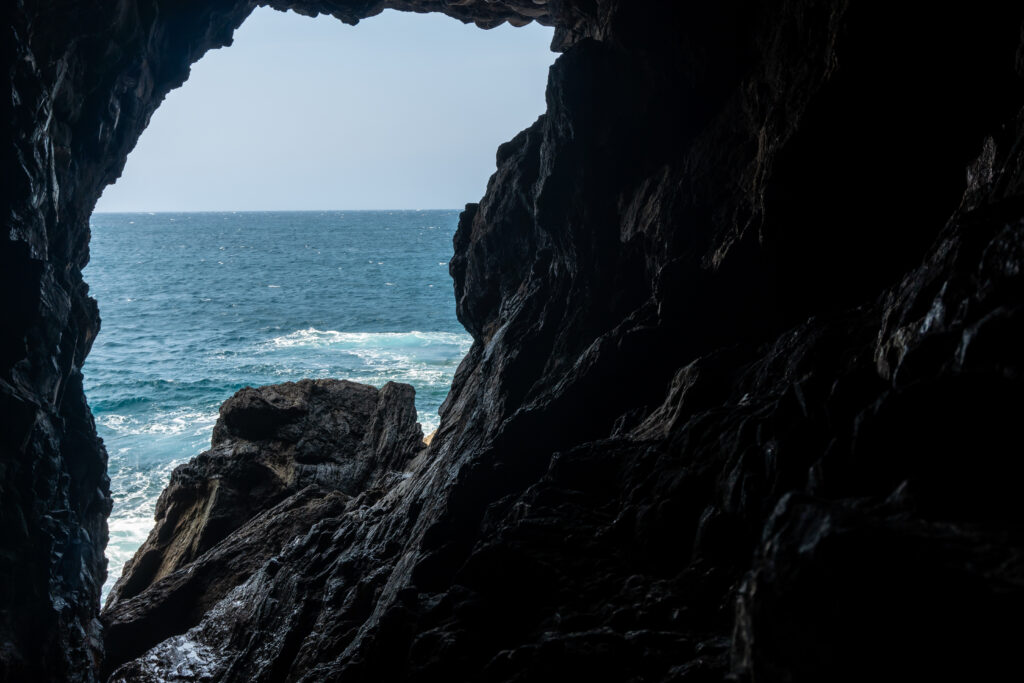
Best time to discover the cave
The visit to Grjótagjá is best enjoyed between June and September, when the summer warmth softens the atmosphere and the water temperature remains stable. This period favors hiking and discovering the surrounding landscapes, while offering ideal conditions to safely observe geothermal activity.
Recommended equipment for exploration
To enjoy the cave and its surroundings, bring a headlamp, waterproof clothing, and non-slip shoes. The wet rock and the heat of the hot spring require appropriate preparation. A camera allows you to capture the beauty of the natural site and the geological phenomena observed.
Respecting safety instructions
Since the water temperature can reach high levels, it is advisable not to attempt swimming without prior assessment. Information panels provide details on the risks related to geothermal activity and active geological phenomena. Prioritizing accompanied exploration ensures a safe experience at this tourist site.
Discovering local legends
The Grjótagjá cave is part of a rich history of Icelandic legend and mythology. Tales of trolls and ancient inhabitants fuel visitors’ curiosity. Participating in a guided tour allows you to learn more about these cultural curiosities and better understand the role of the volcano in local life.
- Prepare the itinerary according to the weather
- Choose the summer season for easier access
- Bring equipment suitable for the cave
- Respect the posted safety instructions
- Discover the legendary tales with a local guide
Why does Grjótagjá remain an essential stop for enthusiasts of geological phenomena?
The Grjótagjá cave captivates with the diversity of its geological phenomena and the richness of its history. Every visitor senses the power of geothermal energy, the beauty of the rock formation, and the imprint of the volcano on the natural site. This unique discovery offers a rare immersion into an environment shaped by nature and Icelandic mythology.
Practical questions and little-known secrets about Grjótagjá
Is it possible to access the Grjótagjá cave year-round despite Icelandic weather conditions?
Access to the cave remains possible outside the summer season, but snow, ice, or rain can make the trails slippery and complicate progress. It is wise to check local information on road conditions and to prioritize being accompanied by a guide in winter to ensure your safety and fully enjoy the unique atmosphere offered by the low light and silence of northern Iceland.
Are there alternative hot spring bathing options near Grjótagjá for travelers seeking a thermal experience?
Nearby, establishments like the Myvatn Nature Baths offer a thermal experience in secure pools fed by the same geothermal source. You will find an authentic atmosphere with views of volcanic landscapes, allowing you to enjoy the intensity of Icelandic hot waters without taking risks related to the temperature instability inside the cave itself.
Nestled near Lake Mývatn, the Grjótagjá lava cave attracts curious visitors eager to discover its mysterious thermal waters, as well as other nature enthusiasts who will find valuable advice on this site dedicated to underwater exploration and hot springs to prepare their next adventures.
Related posts:
 The Caribbean between history, biodiversity, languages, and cultures in the islands of the Antilles
 Kerið volcanic crater in Iceland immersion in a spectacular and unique natural site
 What to do in Tunis in 3 days to explore beaches, museums, markets, and must-see sites?
 Versatile travel backpack how to choose the ideal model to ensure comfort and safety?