
High Line York fascinates with its ability to transform an old railway line into a vibrant elevated park, where biodiversity and contemporary art intertwine in the heart of Manhattan. Do you feel this need for urban escape, this desire to reconnect with nature without leaving the city, while enjoying an unparalleled view of New York’s rooftops? This experience, both sensory and cultural, raises a question: how did a once industrial site become a symbol of ecological and social innovation?
We will understand the keys to this transformation, its impacts on the Chelsea neighborhood, and how it now influences the perception of urban travel by exploring the history, landscape assets, artistic experiences, and economic benefits of this unique park.
How did New York’s High Line become an iconic park in Manhattan?
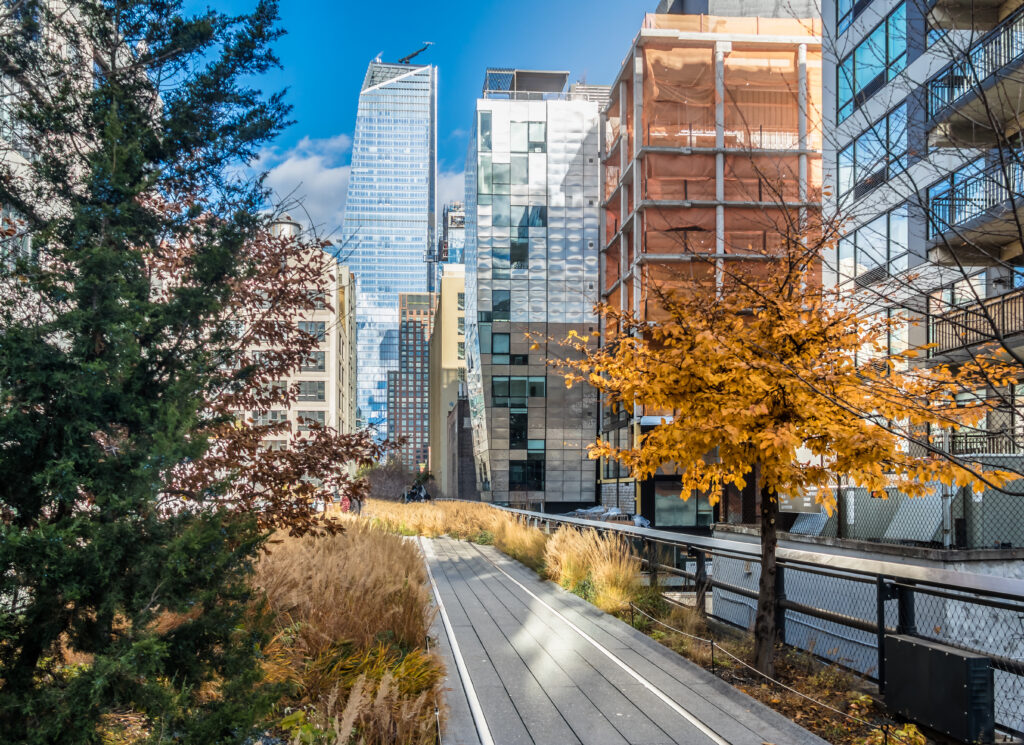
High Line York attracts millions of visitors every year. Its transformation began with the conversion of an old freight railway line into an elevated park, connecting the Meatpacking District to Hudson Yards. This innovative project preserved the original structure while creating a unique urban promenade in the heart of the city.
The history of this line begins in 1847 with the opening of the railway tracks along Tenth and Eleventh Streets, followed by the construction of the viaduct in 1934. The conversion was initiated thanks to citizen mobilization, then supported by the municipality and public and private funding.
High Line York stands out by preserving historical elements, integrating contemporary artworks, and promoting biodiversity. This elevated park has become a symbol of urban renewal and sustainable management in New York.
The major stages of the transformation
- Construction of the railway line in 1847
- Construction of the viaduct in 1934
- Gradual abandonment starting in 1960
- Citizen mobilization in 1999
- Park opening in 2009
- Extensions until 2023
What are the landscape and ecological assets of New York’s High Line park?
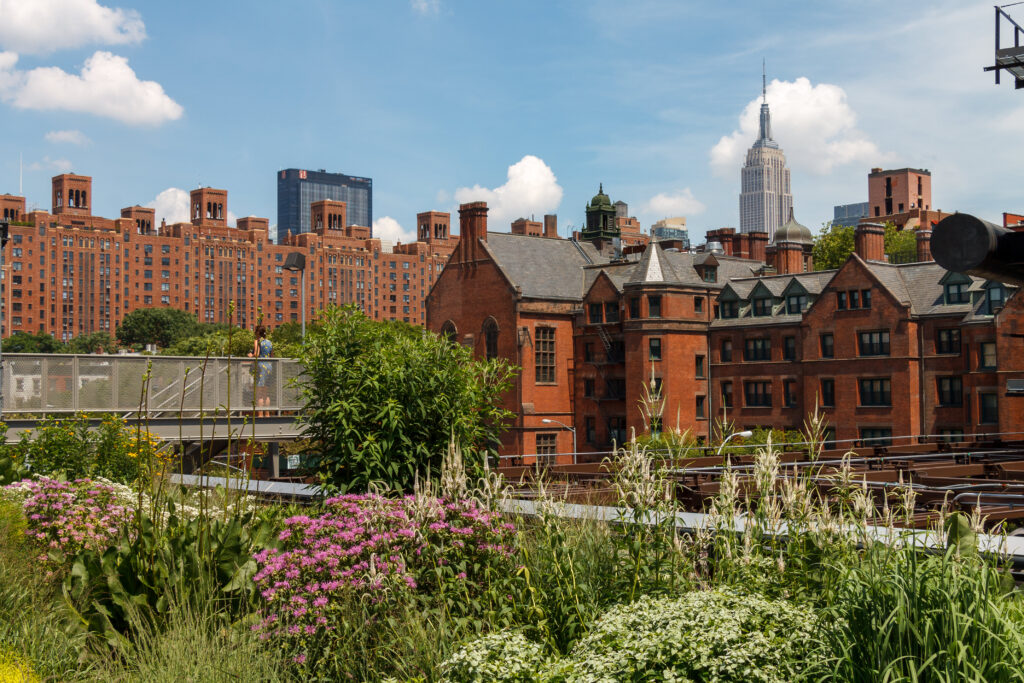
The landscape design is inspired by the wild biodiversity that had colonized the structure after rail traffic stopped. More than 400 plant species, including grasses, shrubs, and trees, testify to remarkable plant biodiversity. Sustainable management relies on ecological and organic techniques.
High Line York promotes local and native biodiversity. Butterflies, migratory birds, and 33 species of bees coexist in this ecosystem. Each green space is maintained by a dedicated team of horticulturists, ensuring the preservation of urban biodiversity.
The integration of historic rails, certified wooden sleepers, and vegetated ballast enhances the park’s authenticity. The promenade offers an immersion into a unique urban animal and plant biodiversity.
Ecological and Landscape Highlights
- 400 plant species
- Sustainable management techniques
- Preservation of local biodiversity
- Enhancement of urban biodiversity
- Habitat for butterflies and birds
What experiences and artworks does the High Line New York offer visitors?
The High Line New York offers an urban walk punctuated by artistic installations. Works by Sarah Sze, Julianne Swartz, El Anatsui, Tony Matelli, and Phyllida Barlow enrich the route, creating a dialogue between art, nature, and industrial history.
Spaces like Tenth Avenue Square, the Lawn at 23rd Street, or the Water Feature invite relaxation while enjoying panoramic views of Manhattan. Each section of the park reveals a different atmosphere, between themed gardens, viewpoints, and resting spots.
The park regularly organizes cultural events, exhibitions, and guided tours, promoting the integration of contemporary art in public space and the diversity of the Chelsea neighborhood.
Must-see experiences and attractions
- Permanent artistic installations
- Themed gardens and resting points
- Breathtaking views of the city
- Contemporary art program
- Guided walks in the district
What impact does the High Line New York have on the Chelsea neighborhood and the city?
The High Line New York has transformed the Chelsea neighborhood into a hub of attractiveness. The park’s opening has boosted real estate appreciation, with a 10 to 20% price increase around the park and the emergence of architectural projects like HL23.
The park attracts 8 million visitors per year, mostly tourists. The High Line New York has become a driver of urban development and an example of a reinvented promenade, inspiring similar projects worldwide.
The park’s success relies on sustainable management led by Friends of the High Line, who ensure preservation, artistic programming, and awareness of biodiversity and the project’s social impact.
Major impacts on the city and neighborhood
- Increase in real estate value
- Development of contemporary art
- Strengthening of urban biodiversity
- Inspiration for other urban promenades
The High Line New York viaduct was used for filming scenes of the movie “I Am Legend” with Will Smith, illustrating its cultural significance in the city.
Quiz: Discovering the High Line in New York
What year marks the beginning of the construction of the High Line railway?
What is the main goal of the High Line’s conversion?
How many plant species demonstrate the botanical biodiversity of the High Line?
Which artwork is not mentioned as being present on the High Line?
What is the economic impact of the High Line on the Chelsea neighborhood?
Why does the New York High Line attract so many architecture and urban planning enthusiasts?
The New York High Line captivates with its exemplary integration into the urban fabric. This elevated park crosses areas marked by contemporary architectural masterpieces and historic industrial buildings. The transformation of this former railway into an urban promenade has encouraged the emergence of projects designed by world-renowned architects such as Zaha Hadid and Renzo Piano, who stand alongside the original structures, creating a unique visual dialogue between past and present. Visitors enjoy a privileged view of the yards and iconic facades of the Chelsea neighborhood.
This route offers an immersive experience, where each segment reveals a new perspective on the city. The viewpoints, bridges, and panoramic platforms allow appreciation of Manhattan’s architectural diversity while discovering the botanical biodiversity flourishing on the viaduct. This fusion of nature, art, and urbanism makes the New York High Line a model of sustainable management and urban innovation.
The evolution of the urban landscape around the High Line
The arrival of the New York High Line has profoundly changed the landscape of the Meatpacking District and Hudson Yards. The old warehouses have been rehabilitated, new residential and cultural buildings have emerged, strengthening the area’s attractiveness. The line acts as a catalyst for urban dynamism.
The park’s ecological and technological innovations
The park’s design implements advanced ecological techniques to preserve urban biodiversity. Automated watering, the choice of resilient plants, and the rational management of resources ensure the sustainability of this elevated park. These innovations serve as a reference for other projects worldwide.
The Role of Residents and Local Associations
The success of the High Line in New York relies on the involvement of local residents and associations. Citizen initiatives have helped defend the project, enrich the cultural programming, and enhance local biodiversity. Residents participate in the maintenance and animation of the park.
Impact on Tourism and the Local Economy
The visit to the High Line in New York generates an influx of travelers to shops, art galleries, hotels, and restaurants in the neighborhood. This elevated park boosts the local economy and attracts an international clientele seeking authentic experiences and original walks.
- Architectural route between modern and industrial buildings
- Green spaces integrated into the urban structure
- Innovations in urban ecology
- Citizen mobilization and involvement of associations
- Ripple effect on tourism and local businesses
How Does the High Line in New York Shape the Perception of Urban Travel?
The High Line in New York invites us to rethink the way we discover a city by prioritizing urban walks and observing biodiversity in the heart of Manhattan. This elevated park offers a unique sensory experience, combining panoramic views, contemporary art, and immersion in urban biodiversity. Travelers find there a source of inspiration to explore other destinations from an innovative angle, combining cultural discovery, respect for the environment, and the pleasure of visiting.
FAQ: Unique Tips to Fully Enjoy the High Line in New York
What are the best times to explore the High Line to avoid crowds and enjoy a more authentic atmosphere?
Favor the early morning hours or late afternoon, when the light enhances the urban landscapes and the crowds remain moderate. These time slots allow you to appreciate the park’s tranquility, encounter New Yorkers in their daily routine, and observe urban wildlife, away from tourist flows.
Are there any unusual tours or experiences to deepen the discovery of the High Line?
The High Line regularly offers themed guided tours led by passionate volunteers, as well as horticultural or artistic workshops open to all. Participating in a gardening workshop or an artistic walk provides a unique immersion, enriched by anecdotes about the viaduct’s history and behind-the-scenes of its ecological management.
How can the exploration of the High Line be integrated into a broader Manhattan itinerary to discover lesser-known places?
Extend your walk towards the Chelsea neighborhood to explore its contemporary art galleries or push on to the Meatpacking District to experience the trendy atmosphere of its markets and restaurants. Using the High Line as a guiding thread allows you to connect iconic sites with secret addresses, thus revealing several facets of Manhattan.
New York’s High Line, a former industrial railway transformed into an elevated park, perfectly illustrates how urban rehabilitation can promote biodiversity, just like other initiatives highlighting nature in urban settings, such as the preservation of marine ecosystems that you can discover on this site dedicated to underwater exploration, thereby demonstrating the importance of rethinking our relationship with the environment, whether on land or underwater, in major cities or along the shores.
Related posts:
 The Amalfi Coast between hanging villages, turquoise sea, and World Heritage in Italy
 Iceland camping complete guide for an authentic and economical experience in the great outdoors
 Complete guide to experiencing the Full Moon Thailand on the beach of Koh Phangan with practical tips
 Swimming with orcas in Norway: the law, the season, and the right questions