
Traveling in Iran means immersing yourself in an ancient culture where hospitality and authenticity take on their full meaning. If you feel the desire to live rare experiences, to share precious moments with passionate artisans, or to taste unique cuisine, this guide meets your deepest expectations. Faced with the temptation of mass tourism, it becomes difficult to find preserved routes, genuine encounters, and landscapes still intact. I propose you follow a route designed to reveal the richness of craftsmanship, the brilliance of historical sites, and the diversity of landscapes, while providing you with concrete advice to savor every step of your journey.
What are the cultural and artisanal specificities of Iran to discover during a trip?
Iran fascinates with the richness of its craftsmanship, a witness to a multi-millennial history and a living heritage. Each region stands out with unique traditions passed down from generation to generation, such as the wood carving of Abadeh or the batik of East Azerbaijan. The diversity of Iranian arts is expressed through refined objects, blending Persian, Indian, and Chinese influences, visible in the museums and lively bazaars.
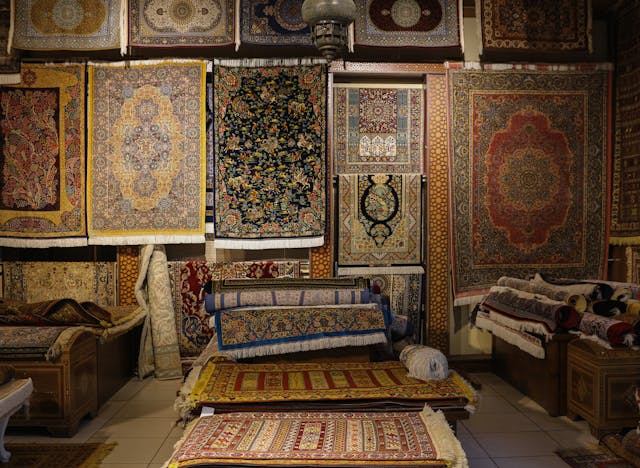
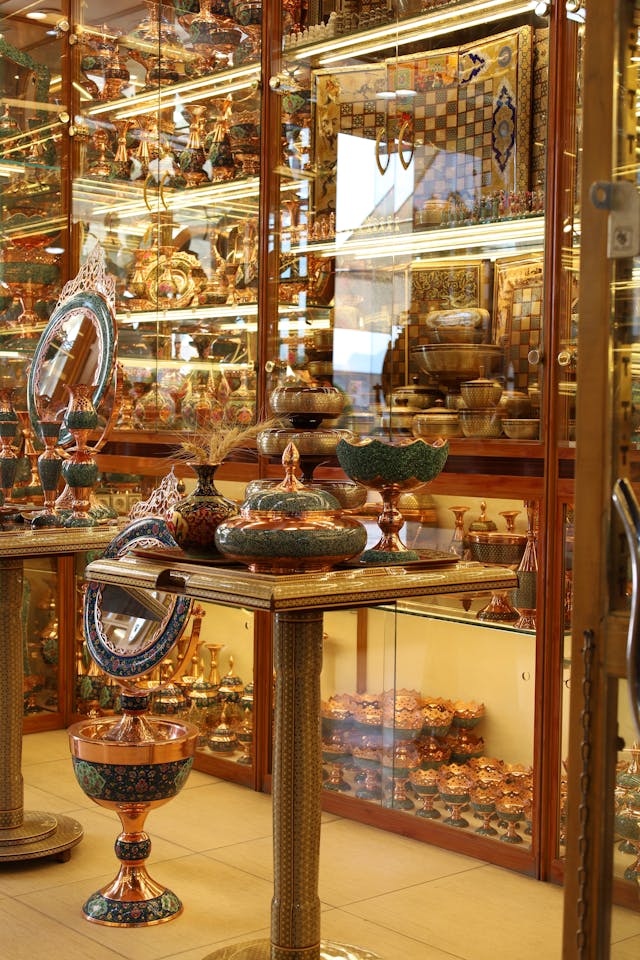
The production of handmade carpets, recognized worldwide, illustrates the technical and aesthetic mastery of over a million weavers. Embroidered textiles, Kalpurgan ceramics, and souvenirs such as colorful scarves testify to this creativity. The guide highlights the central place of these know-how in daily life and local festivals.
The gastronomy reflects the country’s plural identity, with traditional dishes such as chelo kebab and sweets flavored with cardamom or rose. Markets abound with local products, offering an immersive experience through the flavors and scents of Iranian cuisine.
The must-sees of craftsmanship and traditions
- Iran: Unique cultural and artisanal diversity
- craftsmanship: Carpets, ceramics, embroidery, sculptures
- carpets: Symbol of Persian know-how
- ceramics: Ancient techniques and refined patterns
- textiles: Scarves, embroidery, batik
- souvenirs: Authentic objects to bring back
What are the must-see sites and monuments to visit to understand Iranian history?
Exploring the major sites and monuments offers a dive into Iran’s history. Persepolis, founded by Darius the Great, impresses with its monumental columns and bas-reliefs. The city of Isfahan captivates with its mosques adorned with blue mosaics, its grand square, and historic bridges, while Shiraz invites contemplation in its gardens and poets’ mausoleums.
Cultural tourism is also experienced in Tehran, a modern capital housing art, carpet, and jewelry museums, as well as collections of manuscripts and religious objects. UNESCO-listed historical sites, such as Choga Zanbil, bear witness to the past splendor of Elamite and Persian civilizations.
The Alborz mountain region, the perched villages, and the Zagros valleys reveal other facets of the heritage. Meeting semi-nomadic communities, discovering traditional villages, and visiting Hafez’s tomb in Shiraz enrich the travel experience.
Monuments and historical sites you absolutely must see
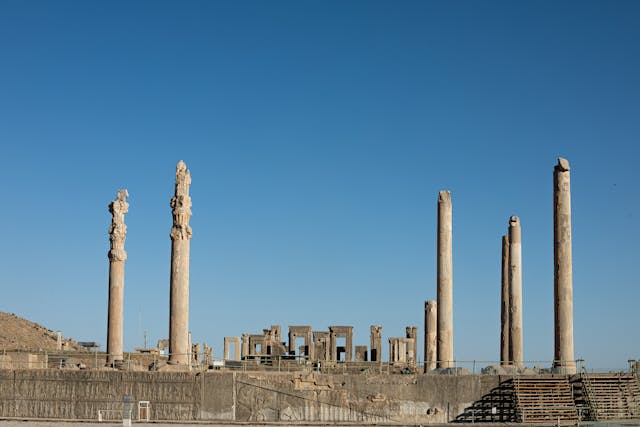
- Historical sites: Persepolis, Naqsh-e Rostam, Choga Zanbil
- Monuments: Esfahan mosques, Hafez’s tomb
- Bazaars: Esfahan, Tehran, Shiraz
- Gardens: Persian gardens, UNESCO-listed areas
- Villages: Bavanat, villages of the Zagros
What landscapes, mountains, and deserts make Iran famous among travelers?
Iran’s landscapes stand out for their diversity: snowy mountains, central desert, lush forests, and fertile valleys. The Alborz mountains offer spectacular panoramas, ideal for hiking and encounters with the nomads of the Zagros.
Mountain villages, perched on heights, preserve traditional architecture and an ancestral way of life. The Bavanat valley welcomes nomadic families each summer who come to graze their herds. The deserts of Dasht-e Kavir and Dasht-e Lut fascinate with their dunes, oases, and unforgettable sunsets.
Natural UNESCO sites such as the Lut desert, the hanging gardens, and the forests of the west allow exploration of preserved ecosystems. Local festivals punctuate valley life, offering unique opportunities to discover rural festivals and customs.
How to fully enjoy gastronomy, culinary specialties, and shopping in Iran?
Discovering Iranian gastronomy means savoring a variety of traditional dishes, from chelo kebab to tahdig, not forgetting pistachio or rose pastries. Markets and bazaars abound with fresh products, spices, and sweets, offering a sensory immersion into the local cuisine.
Shopping in Iran allows you to acquire handmade carpets, embroidered textiles, artisanal ceramics, and authentic souvenirs. Colorful scarves, essential to respect the dress code, are among the most sought-after items.
Affordable prices make access to a wide variety of quality items easy. A metro ticket costs just a few cents, typical meals remain economical, and entrance to cultural sites stays accessible. Culinary and craft festivals mark the year, offering moments of sharing and discovery.
Culinary experiences and shopping not to be missed
- Gastronomy: Chelo kebab, tahdig, fragrant sweets
- Traditional dishes: Khoresht, havij bastani, sabzi polo
- Souvenirs: Carpets, ceramics, textiles, colorful scarves
- Bazaars: Places of exchange and culinary discoveries
- Textiles: Embroideries, batik, artisanal fabrics
At the National Museum of Tehran, the oldest pottery on display dates back more than 6000 years, a living testimony to the creative genius of Iran.
Quiz: Discovering the Heritage, Handicrafts, and Must-See Sites in Iran
Which Iranian city is famous for its mosques adorned with blue mosaics and its historic bridges?
Which archaeological site is known for its monumental columns and bas-reliefs, founded by Darius the Great?
Which region is renowned for its troglodyte villages carved into volcanic rock?
Which Iranian craft is globally recognized for its technical and aesthetic mastery?
Which Iranian desert is famous for its dunes, oases, and spectacular sunsets?
How to Organize an Authentic Itinerary to Discover Iran Off the Beaten Path?
Exploring Iran authentically involves favoring routes that pass through isolated villages, less frequented mountains, and rural areas where traditions remain vibrant. Taking the time to stay with locals or in a traditional guesthouse allows access to unique experiences, attendance at local festivals, and initiation into regional crafts. These moments foster exchanges with communities, tasting of homemade cuisine, and discovery of preserved landscapes.
An experienced guide can offer tailor-made itineraries, including visits to lesser-known sites, meeting artisans, and participating in carpet or pottery workshops. Traveling outside major tourist routes guarantees direct contact with local life, observation of ancient trades, and exploration of less visited historical sites. This approach values cultural diversity and offers immersion in the daily life of Iranians.
Discovering Troglodyte Villages
Troglodyte villages, such as Kandovan, offer a unique setting where architecture blends into volcanic rock. The dwellings carved into the mountain testify to an ancestral way of life, allowing observation of construction techniques adapted to the climate and encounters with artisans specialized in pottery and textiles.
Experiencing Hiking in the Desert
The Dasht-e Lut desert offers guided hikes through spectacular dunes and rock formations. Visitors can discover hidden oases, observe local wildlife, and participate in bivouacs under the stars, enjoying an immersive experience in one of the country’s most fascinating natural UNESCO sites.
Participate in traditional craft workshops
Many workshops allow you to learn carpet making, natural textile dyeing, or decorative ceramics creation. These activities promote the learning of age-old techniques and the understanding of Persian arts, while offering the opportunity to acquire unique handmade souvenirs.
Attend rural festivals
Festivals organized in the countryside celebrate local gastronomy, traditional music, and regional dances. These events are special moments to discover traditional dishes, listen to popular stories, and observe the transmission of traditions within families.
- Hiking routes in the Zagros
- Visit to troglodyte villages
- Participation in weaving workshops
- Discovery of secret Persian gardens
- Wildlife observation in the desert
Why choose Iran for a first cultural and sensory trip?
Iran captivates with the richness of its heritage, the diversity of its landscapes, and the generosity of its people. Beginner travelers will find in this guide a source of inspiration to live authentic experiences, explore classified historical sites, admire refined architecture, and taste gastronomy with multiple flavors. Each stage of the journey reveals living arts, preserved traditions, and renowned hospitality, making Iran a top destination in the world for any cultural discovery enthusiast.
Common questions to prepare an authentic trip to Iran
How to meet local artisans and participate in Iranian cultural life?
The travel experience takes on its full meaning during guided tours in weaving, ceramics, or embroidery workshops, often organized in villages or historic neighborhoods. Staying with locals, participating in rural festivals, and frequenting bazaars foster genuine exchanges with residents, allowing you to witness the creation of unique objects and immerse yourself in the country’s artistic daily life.
What advice is there for traveling in Iran while respecting local values and cultural codes?
Wearing appropriate clothing, learning about religious and social customs, and favoring family accommodations help respect traditions. Being open to exchanges, asking permission before photographing, and tasting local cuisine demonstrate a kind and curious attitude, essential for integrating and enjoying a warm welcome throughout the country.
To deepen your discovery of Iran and enrich your travel experience, do not hesitate to consult this comprehensive guide on must-see destinations and activities which will offer you a unique insight into the country’s heritage, craftsmanship, and iconic sites.
Related posts:
 Ouigo bus the economical solution for traveling in France and Europe with comfort and flexibility
 Gargano a natural and cultural treasure between ancient forests, spectacular beaches, and historic villages
 Blue Lagoon Iceland an immersion in the geothermal turquoise waters and wellness
 Oia Santorini jewel of the caldera between white houses sunsets and secret beaches