Preserved reefs, spectacular wildlife, and crystal-clear waters shape a paradise for underwater adventure enthusiasts in Cozumel. In the face of overcrowding at some global spots, the Mexican island offers a rare combination of environmental respect and authentic experience. The challenge: to enjoy a unique biodiversity while preserving the magic of the sites and avoiding the pitfalls of mass tourism. From choosing the center, the ideal period, to complementary activities, every detail counts to live a memorable and responsible adventure in Cozumel.
Why is Cozumel considered a world reference for diving?
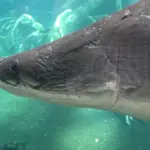
Diving in Cozumel attracts divers from around the world every year thanks to exceptional biodiversity, visible from the first meters underwater. The marine protected area since 1996, classified as a UNESCO biosphere reserve, ensures the preservation of more than 200 coral species and over 260 fish species. Diving here means observing bull sharks, turtles, angelfish, moray eels, and rare creatures like the endemic toadfish.
Drift diving on this island allows divers of all levels to explore reefs, drop-offs, and coral gardens. Optimal underwater conditions, with visibility ranging from 30 to 40 meters and a stable water temperature between 26°C and 30°C, make the experience unique all year round. Exemplary environmental management includes seasonal site closures to allow natural reef regeneration.
Access to diving in the Yucatan cenotes, just 30 minutes by ferry, enriches the offer: stalactites, crystal-clear waters, and filtered light create spectacular settings. The protected environment encourages responsible and ecological diving, without chemical sunscreen or contact with corals.
Iconic diving sites in Cozumel
- Cedral Pass: moderate currents, abundance of marine life
- Santa Rosa Drop-off: spectacular faults, sharks and turtles
- Palancar Gardens: coral diversity, snorkeling possible
- Punta Dalila: colorful fish, night diving recommended
- San Francisco Drop-off: frequent shark sightings
What are the ideal conditions for diving in Cozumel throughout the year?
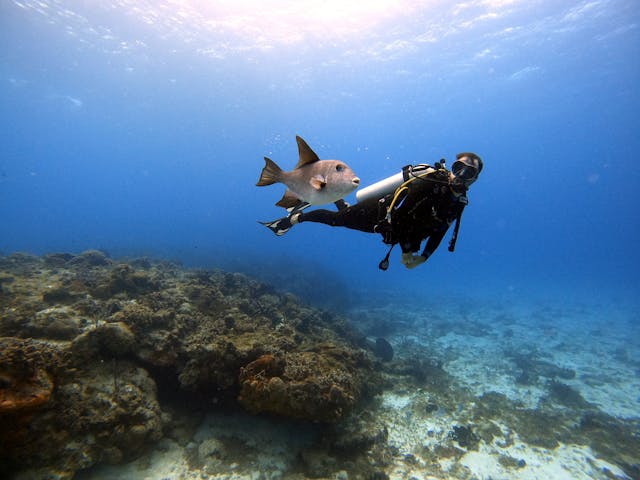
Reef diving in Cozumel takes place in optimal conditions thanks to the low turbidity of the water, offering exceptional visibility even during changing weather conditions. The water temperature ranges from 26°C in winter to 30°C in summer, allowing comfortable tropical diving all year round. The choice of wetsuit depends on the season: 3 mm in the warm season, 5 mm for the cenotes.
The period from June to November offers excellent value for money, with fewer crowds and more affordable rates. For observing bull sharks, leopard eagle rays, and pelagic fish, favor the season from November to March, when currents promote the presence of these species. Diving sites in warm waters remain accessible even during the rainy season, thanks to the stability of marine conditions.
The rotation of seasonal site closures allows reef regeneration and ensures sustainable diving. The diving spots dives in turquoise waters and diving in crystal-clear waters are preserved by strict rules: wearing UV-protective clothing, prohibition of touching corals, and complete absence of waste.
Factors to Consider When Choosing the Ideal Period
- Consistent underwater visibility throughout the year
- Stable water temperature from 26°C to 30°C
- Lower crowd levels from June to November
- Maximum shark sightings from November to March
- Seasonal closures for reef protection
What Are the Criteria for Selecting a Dive Center in Cozumel?
Diving in calm waters in Cozumel largely depends on the choice of the center, which must guarantee safety, professionalism, and respect for the environment. Favor establishments with recognized experience, such as Sharky’s Scuba Cozumel, with over ten years of activity and a special focus on responsible diving. Prices generally include equipment, with Nitrox options to optimize dive duration.
The quality of supervision, the condition of the equipment, group size, and knowledge of the sites are determining factors. A good center also offers detailed briefings on deep-water diving, current management, and reef preservation. The possibility to dive with family and access training for beginners is a plus for novice travelers.
The center’s environmental commitment is verified by the application of marine reserve rules, awareness of ecological diving, and limiting the number of divers at each site. Expert and peer reviews help validate the choice of center based on your experience and expectations.
Essential Criteria for Choosing the Right Dive Center
- Experience and reputation of the center
- Compliance with safety and environmental standards
- Condition and quality of equipment
- Small groups for a personalized experience
- Family diving options and beginner training
What Additional Experiences Does Cozumel Offer Beyond Diving?
Diving in protected waters is only one aspect of Cozumel: the island offers a cultural and natural immersion. San Miguel, the main town, reveals a local atmosphere with typical restaurants like La Choza or Wiliam, where you can enjoy ceviche and Mexican specialties at affordable prices. The street art, inspired by marine preservation, raises awareness about sustainable diving and reef protection.
The Punta Sur reserve allows observation of crocodiles, iguanas, and turtles, while enjoying a panoramic view from the Celarain lighthouse. The Pueblo del Maíz park offers interactive workshops on Mayan culture: making tamales, tasting chocolate, discovering daily life, for an authentic immersion.
The proximity of the Yucatan cenotes enriches the experience: diving in marine areas followed by exploration of the submerged caves, accessible by ferry at $25 round trip. Accommodations range from luxury resorts with private beaches to budget hostels, allowing every traveler to find an option that fits their budget.
Additional activities to experience in Cozumel
- Discover San Miguel and its local gastronomy
- Visit Punta Sur and observe the wildlife
- Sea Walls street-art route for marine awareness
- Mayan cultural workshops at Pueblo del Mais park
- Exploration of the Yucatan cenotes
In 2017, the Sea Walls project transformed the streets of San Miguel with 53 marine murals, offering an open-air art gallery to raise awareness about preserving diving in conservation zones and island ecosystems.
Quiz: Discover Cozumel and Scuba Diving
Why is Cozumel considered a world reference for diving?
Which shark species can be observed while diving in Cozumel?
Which diving site in Cozumel is known for its spectacular walls and the presence of sharks and turtles?
What is the ideal period to observe bull sharks in Cozumel?
What is an essential criterion when choosing a diving center in Cozumel?
How to prepare for a first dive in Cozumel with confidence?
Discovering diving in Cozumel begins with training tailored to each level. Local centers offer introductions in pools or shallow waters, ideal for getting familiar with the equipment and essential techniques. Guidance by certified instructors ensures a gradual and safe immersion, especially for beginners wishing to explore protected marine areas without apprehension. Detailed briefings cover underwater communication, buoyancy control, and the importance of practicing responsible diving to preserve the reefs.
The environment in Cozumel promotes a calm first experience thanks to calm waters and remarkable visibility. Sites accessible from just 5 meters deep allow immediate observation of biodiversity, without the need to venture too far. Modern equipment, regularly maintained, guarantees safety and comfort. The attention given to supervision, teaching, and the friendliness of local teams helps create a reassuring atmosphere for every new dive.
Site choice for a first immersion
Sites like Paradise Reef or Chankanaab are renowned for their diving in shallow waters. These areas shelter abundant and colorful fauna, ideal for a first underwater encounter while limiting risks related to depth or current. Instructors favor routes adapted for discovery, allowing new divers to gain confidence.
Equipment and practical advice for beginners
Choosing a suitable mask, a comfortable buoyancy vest, and a wetsuit appropriate for the water temperature optimizes the experience. Centers recommend testing the equipment in a pool before any sea dive. Learning safety gestures, such as mask clearing or breathing management, takes place in a relaxed atmosphere, promoting progress.
Supervision and safety for novices
Small groups and personalized supervision ensure attentive monitoring during each dive. Local instructors know the conditions perfectly and adapt the pace to each participant. Safety instructions are systematically reminded, guaranteeing a stress-free immersion in Cozumel’s protected zones.
Introduction to reef preservation
From the very first dive, beginners are made aware of ecological diving. Responsible actions, such as maintaining buoyancy and observing without contact, are integrated into the training. Local centers encourage the use of UV-protective clothing and the prohibition of chemical sunscreens to protect marine biodiversity.
- Choose a certified and experienced center
- Prefer sites suitable for beginners
- Test equipment in a pool
- Respect safety and environmental guidelines
Why does Cozumel attract diving enthusiasts from around the world?
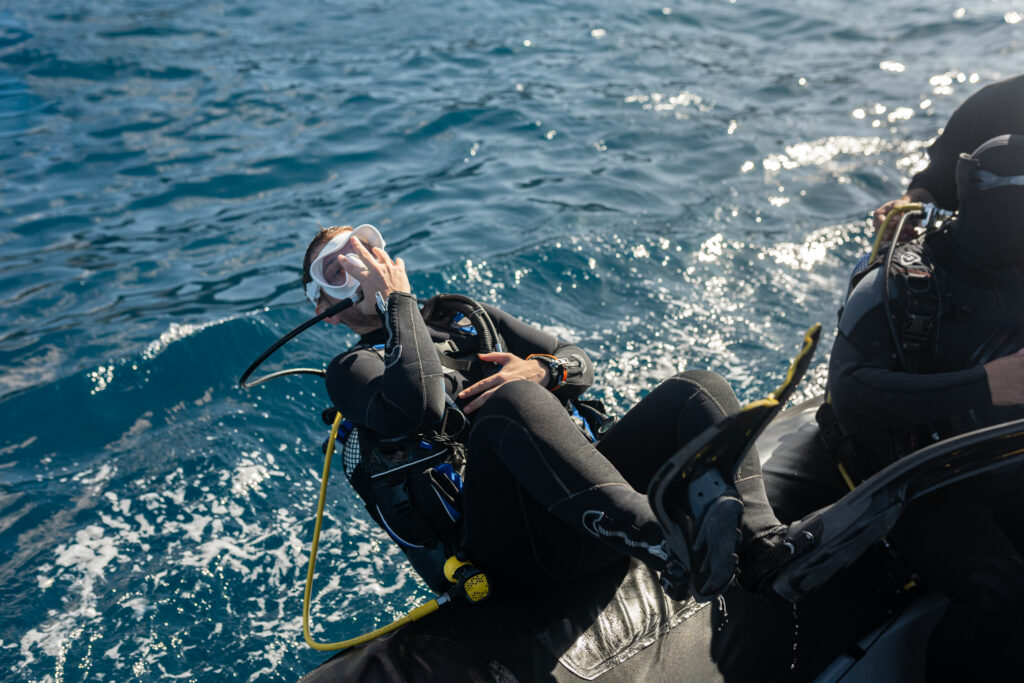
The diversity of sites, the richness of biodiversity, and the quality of protected marine areas make Cozumel a must-visit top destination for divers of all levels. The varied offer, ranging from drift diving to immersions in cenotes, allows for unique experiences and an introduction to sustainable diving in a preserved environment. Encounters with emblematic species, the beauty of the reefs, and the local friendliness turn every stay into an unforgettable moment, conducive to learning and wonder.
Practical FAQ to enhance your diving experience in Cozumel
What specific equipment do you recommend for comfortable diving in Cozumel?
Favor a 3 mm wetsuit for most sites, a mask with a wide field of vision, and fins suited to currents. A dive computer makes it easier to monitor profiles, while a non-chemical UV sun protection protects both your skin and the marine ecosystem. Centers generally offer recent equipment, but bringing your own mask and snorkel ensures better comfort.
How can I best enjoy the local life between dives?
Immerse yourself in the atmosphere of San Miguel by strolling through the market, chatting with local artisans, or savoring traditional dishes in small downtown restaurants. Renting a bike or scooter allows you to explore wild beaches and access less frequented spots. Authentic encounters often arise during cooking workshops or musical evenings organized by locals.
Are there ways to reduce the ecological impact of my stay in Cozumel?
Choose accommodation committed to waste management and water conservation, favor dive centers certified for their environmental approach, and limit daily plastic use. Buying souvenirs from local artisans supports the circular economy. Participating in volunteer actions, such as beach cleanups, adds a solidarity dimension to your adventure while actively contributing to the island’s preservation.
Diving in Cozumel attracts many enthusiasts thanks to the richness of its wildlife and colorful reefs, and if you wish to discover other fascinating places to explore the underwater world, check out the best snorkeling destinations in the world, each offering a unique experience.