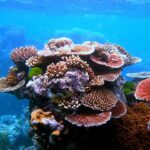
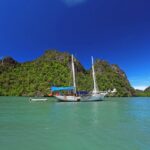
Immediate wonder and authentic sensations await you beneath the surface of Cuba, where the preserved beauty of the seabed contrasts with everyday routine. Do you feel the call of an experience that transforms the perception of travel, between abundant biodiversity and unforgettable encounters with local wildlife? In the face of rising mass tourism, finding a place where the balance between preservation and true emotion remains becomes a challenge. Here, I share the fruit of years of life on the island and aquatic adventures, to provide you with practical advice, lived stories, and a deep reflection on the magic of Cuban diving, so that each immersion is both respectful and memorable.
Why choose diving in Cuba for a first underwater experience?
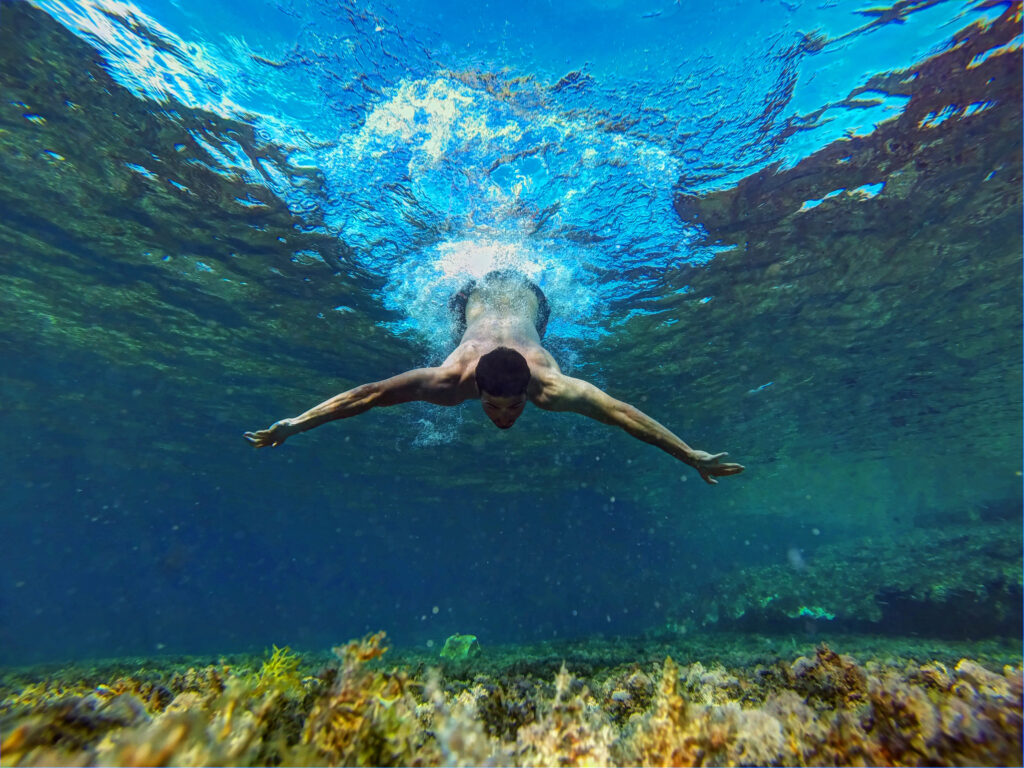
Diving in Cuba attracts with the richness of its biodiversity and the preservation of its marine environment. The dive sites offer ideal conditions for beginners, with a stable water temperature all year round and exceptional visibility often exceeding 40 meters. This accessibility appeals to travelers seeking first underwater sensations without major technical constraints.
The diversity of coral reefs and low human traffic favor close encounters with marine life. Fish show curiosity, not being used to being disturbed, which makes interactions more natural. Specialized centers offer training adapted to beginners, supervised by recognized professionals, to guarantee a safe and enriching immersion.
Scuba diving in Cuba stands out for the variety of sites accessible to all levels, from historic wrecks to mysterious caves, including turquoise lagoons and intact coral reefs. This diversity allows for unique experiences and the exploration of several ecosystems without changing destination.
The main advantages for beginners
- Water temperature: pleasant all year round, between 24 and 29 degrees
- Visibility: excellent, often over 30 meters
- Professional supervision: certified and multilingual instructors
- Low current: ideal for gentle initiation
- Varied sites: from lagoon to wrecks, to diversify experiences
What are the must-see dive sites in Cuba and their specificities?

Maria la Gorda seduces with its 50 dive sites including Yemaya, famous for its walls, caves, and black coral forests. Here, exploratory diving allows discovering tropical fish, gorgonians, and abundant marine life. Exceptional visibility facilitates the observation of underwater life in a preserved setting.
On the Isle of Youth, Punta Francés offers 56 sites, renowned for their pirate wrecks and the Cueva Azul cave at 40 meters, where the light creates fascinating blue plays. Divers often encounter grouper, tarpon, and cleaner fish in a rare and spectacular environment.
Jardines de la Reina, a classified marine sanctuary, offers coral reefs of great quality, with sightings of sharks, barracudas, rays, groupers, and even crocodiles in the mangrove. Limited access to 300 divers per year guarantees the conservation of biodiversity and an authentic experience.
The Most Iconic Sites
- Maria la Gorda: walls, caves, black corals
- Isle of Youth: pirate wrecks, Cueva Azul
- Bay of Pigs: cenotes, freshwater tunnels
- Jardines de la Reina: marine sanctuary, shark encounters
- Playa Santa Lucia: Mortera wreck, bull sharks
- Varadero: Neptuno wreck, moray eels
What Marine Life Can Be Observed During a Dive in Cuba?
The Cuban marine ecosystem hosts a wide variety of tropical fish, from giant groupers to silver barracudas. The coral reefs provide habitat for multicolored species, while the wrecks attract schools of fish and predators like reef sharks.
The protected waters of Jardines de la Reina allow observation of up to six shark species, including silky sharks and lemon sharks, as well as rays and dolphins. The mangroves also shelter crocodiles, adding a unique dimension to exploratory diving.
Marine life is increasingly accessible to free diving and snorkeling enthusiasts, with frequent encounters with cetaceans, butterflyfish, angelfish, and schools of jacks. The proximity to marine fauna makes each immersion fascinating and educational.
How to Organize Your Dive in Cuba and Enjoy the Best Services?
Dive centers in Cuba offer a full range of services, from technical diving to recreational diving. Bookings are made through recognized organizations, often affiliated with PADI, ensuring high safety standards and personalized supervision for every level.
Many local operators prioritize marine environment conservation by limiting access to certain sites, which helps preserve reef quality and biodiversity richness. Experienced guides share their knowledge of the best spots and tailor dives according to each participant’s experience.
Options include snorkeling, exploratory diving on wrecks or in caves, and training courses to obtain recognized certifications. The choice of site will depend on your expectations: adventure, underwater photography, shark encounters, or exploration of rare marine fauna.
Recommended Services to Organize Your Stay
- PADI Certified Centers: safety and quality of supervision
- Experienced Local Guides: knowledge of sites and fauna
- Training Suitable for All Levels: introductory or technical diving
- Tailor-Made Excursions: exploration of wrecks, caves, or reefs
At Jardines de la Reina, divers shark species can sometimes be observed during a single dive, a rare experience worldwide.
Quiz: Discover Diving in Cuba!
Why is the water temperature in Cuba ideal for beginner divers?
Which diving site in Cuba is famous for its walls, caves, and black corals?
What marine life can mainly be observed in Cuba’s reefs?
What equipment is essential for a successful dive in Cuba?
What unique experience can diving at Jardines de la Reina offer?
Which equipment to prioritize for a successful dive in Cuba?
Equipment plays a crucial role in fully enjoying diving in Cuba. Local centers generally provide gear suited to the water temperature and high visibility. Planning a well-fitting mask, comfortable fins, and a 3 to 5 mm wetsuit is sufficient for most dive sites. A personal dive computer allows monitoring depth and dive time safely.
For underwater photography enthusiasts, a waterproof housing is recommended to capture marine life and the play of light around coral reefs. Waterproof lights enhance observation in caves or on deep wrecks. Divers wishing to explore caves or practice technical diving can rent specific equipment from certified clubs.
Wetsuit suited to local conditions
A 3 mm wetsuit provides sufficient protection against the stable water temperature and coral abrasion. For deeper dives or in winter, a 5 mm thickness ensures optimal comfort throughout the dive.
Essential safety gear and accessories
Wearing a buoyancy compensator, a serviced regulator, and a dive computer ensures a safe experience. A safety sausage and a whistle are recommended to signal your presence on the surface.
Choice of Mask and Fins
A wide field of vision mask optimizes the observation of marine wildlife and coral reefs. Soft fins facilitate movement, reducing fatigue during prolonged explorations at dive sites.
Equipment for Underwater Photography
A waterproof housing suitable for your device allows capturing the richness of marine life. Color filters correct the light at depth, revealing the diversity of fish and coral.
- Neoprene suit adapted to the season
- Wide vision mask and comfortable fins
- Personal dive computer
- Waterproof housing for camera
- Safety accessories: safety sausage, whistle
How Can Diving in Cuba Transform Your Perception of Travel?
Experiencing a dive in Cuba offers immersion in preserved marine environments, revealing the beauty and fragility of the ecosystem. Direct observation of biodiversity and coral reefs raises awareness about conservation and the importance of preserving these unique environments for future generations. Each dive becomes a source of wonder and learning, enriching the vision of travel.
Frequently Asked Questions About Diving in Cuba: Tips and Unique Experiences
Can you dive in Cuba all year round and what are the best periods to prioritize?
Cuba benefits from a tropical climate, allowing diving 12 months a year thanks to a water temperature rarely below 24 °C. Visibility conditions and marine life remain excellent during both winter and summer. However, the period from November to April corresponds to the dry season, with fewer risks of storms and calmer seas, ideal for fully enjoying the country’s flagship sites.
Is diving in Cuba suitable for families or beginner children?
Several centers offer initiation and introductory dives specially designed for children, under the supervision of instructors trained in teaching young learners. The absence of strong currents and the tame wildlife make the experience accessible and safe for the whole family, in adapted and controlled environments.
What souvenirs or items should you bring back from a diving trip to Cuba while respecting the environment?
Diving enthusiasts favor ethical souvenirs, such as personal underwater photographs, illustrated dive logs, or local handcrafted works inspired by the marine world. Preserving the balance of the reefs means never collecting corals or shells; rather, valuing creations derived from Cuban craftsmanship encourages the preservation and respect of the ecosystems encountered.
If you wish to broaden your aquatic horizons after discovering diving in Cuba and its preserved underwater world, do not hesitate to explore the best snorkeling destinations in the world to experience other unforgettable adventures at the heart of marine biodiversity.