Adrenaline rush, turquoise waters as far as the eye can see, majestic sharks and rays dance before your eyes, each site in the Maldives promises a symphony of untouched corals and unforgettable encounters. Finding the best spots, choosing the right equipment, and seizing the right moment become the key to a unique experience, where every moment underwater reveals fascinating wildlife and intense sensations. Join me to understand how to combine pleasure, safety, and respect for the environment during your next underwater adventure in the Maldives.
What are the major atolls and sites for scuba diving in the Maldives?

The Maldives offers a variety of diving sites spread across several atolls with unique characteristics. Each atoll features varied landscapes, caves, colorful drop-offs, and spectacular overhangs, ideal for scuba diving, drift diving, or night diving.
The North Malé Atoll stands out with Maaya Thila and Fish Head, famous for their sharks, rays, and abundance of fish. The South Ari Atoll attracts for its rich passes and the wreck of Kudhimaa, while Hanifaru Bay in Baa fascinates with its gatherings of manta rays. The islands and reefs of Vaavu and Fuvahmulah present exceptional marine life and varied conditions suited to every diving level, from beginner to experienced diving.
Detailed comparison of the main diving sites
| Site | Atoll | Type of Diving | Main Wildlife |
|---|---|---|---|
| Maaya Thila | North Malé | Night diving, drift diving | Reef sharks, octopuses, barracudas |
| Fish Head | North Malé | Deep diving | Grey sharks, fusiliers, snappers |
| Kudhimaa Wreck | South Ari | Wreck diving | Fusiliers, stingrays, nurse sharks |
| Whale Shark Point | South Ari | Observation diving | Whale sharks, manta rays |
| Kandooma Thila | South Malé | Sport diving | Tiger sharks, white tip sharks |
| Fotteyo Kandu | Vaavu | Technical diving | Manta rays, whale sharks |
| Hanifaru Bay | Baa | Biodiversity diving | Manta rays, whale sharks, turtles |
| Fuvahmulah | Fuvahmulah | Wild diving | Tiger sharks, tunas, platax |
List of must-visit atolls
- North Malé: varied sites, accessible to all
- South Ari: whale shark observation
- Baa: UNESCO biosphere, manta ray gatherings
- Vaavu: strong currents, biodiversity
- Fuvahmulah: large predators, unique experiences
Which marine species to observe during scuba diving in the Maldives?

The Maldives stand out for their unparalleled rich marine life. Sharks of various species, manta rays, turtles, tropical fish, and schools of fusiliers inhabit the reefs and iconic sites, making each dive observation unique.
Seasonality influences the presence of certain giants, such as whale sharks and manta rays, particularly visible between May and December. The observation of tiger sharks in Fuvahmulah and the gatherings of rays at Hanifaru Bay enhance the appeal of scuba diving in these tropical islands.
Main species to observe
- Reef sharks: common on most sites
- Manta rays: large seasonal migrations
- Whale sharks: privileged observation at South Ari
- Turtles: present on coral reefs
- Tropical fish: remarkable diversity
- Tiger sharks: almost guaranteed at Fuvahmulah
What types of diving and experience levels are offered in the Maldives?
The Maldives sites cater to all diver profiles, from beginner to experienced diving. Boat dives on traditional dhonis or specialized boats allow easy access to drop-offs, caves, and wrecks.
Sport diving and technical diving attract with strong currents and complex terrains, while deep diving and night diving offer unique sensations, especially when observing hunting sharks and rays moving in the twilight.
What are the best periods for optimal diving in the Maldives?
Visibility and concentration of marine life vary according to the seasons in the Maldives. The period from May to December stands out for observing whale sharks and manta rays, notably in the South Ari and Baa atolls.
Reef diving and tropical diving conditions remain excellent year-round thanks to warm and clear water. Observation diving and wild diving offer renewed experiences depending on the seasons, with always abundant biodiversity.
Which accommodations and packages to favor for a successful diving experience?
The Maldives offer a wide choice of accommodations suited to every diving style: luxury hotels, friendly guesthouses, specialized cruises. Diving cruises on boats like Carpe Novo or Carpe Diem allow exploring several atolls in one week, while local centers offer day trips.
Modern infrastructures guarantee a safe Indian Ocean diving experience, with recent equipment and experienced guides. Environmental regulations promote responsible diving and preserve the beauty of corals and reefs.
During a session at Hanifaru Bay, more than 100 manta rays can gather simultaneously to feed, offering a rare spectacle to observation diving enthusiasts.
Quiz: Discover the Must-See Diving Spots in the Maldives
Which atoll is famous for its gatherings of manta rays in Hanifaru Bay?
Which site is known for its wrecks in the South Ari Atoll?
Which shark species is mainly observed at Fuvahmulah?
What is the best time to observe whale sharks and manta rays?
What type of diving is ideal to discover marine biodiversity in the Maldives?
What advice for choosing the right scuba diving equipment in the Maldives?
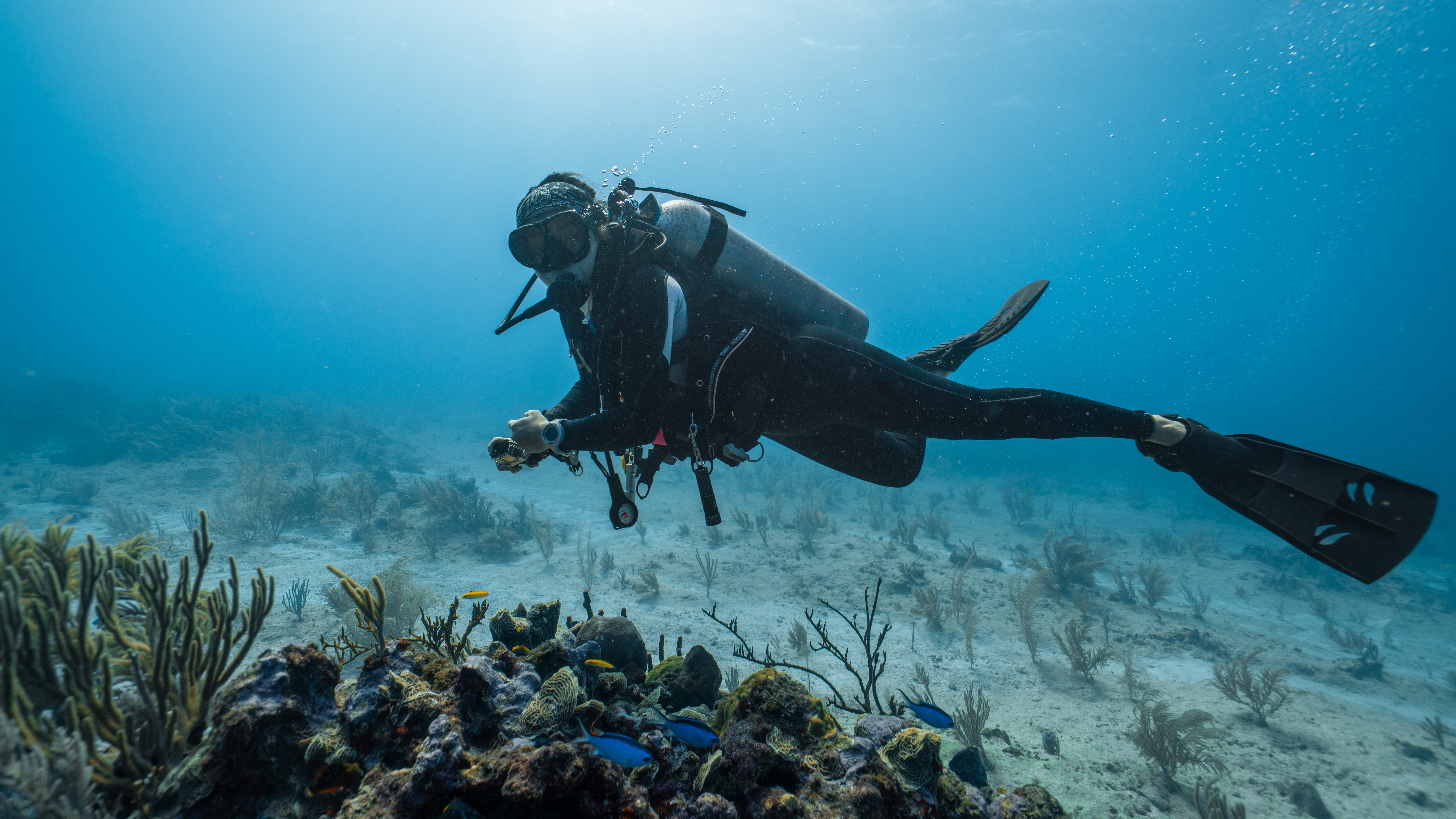
Choosing suitable equipment directly influences the quality of each dive in the Maldives. Planning a lightweight wetsuit allows you to enjoy the warm and clear waters while providing protection against accidental contact with corals. Opting for a wide field of vision mask facilitates observing marine life and underwater landscapes. A reliable dive computer optimizes safety during deep or technical dives.
Local centers provide recent equipment, but it is still recommended to bring your own gear to ensure optimal comfort. Adjustable fins adapt well to different outings, especially during drift diving or on exposed reefs. An ergonomic buoyancy compensator makes buoyancy control easier in currents or during wild diving.
Preparation also includes checking regulators and accessories, such as a lamp for night diving. Divers focused on observation often prefer compact underwater cameras, ideal for capturing rays, sharks, and schools of tropical fish. A safety sausage ensures a visible and secure ascent at the end of the dive.
Comparison of recommended equipment in the Maldives
| Equipment | Main Use | Recommended for | Usage Tip |
|---|---|---|---|
| 3 mm wetsuit | Thermal protection | All diving | Prefer a snug fit |
| Panoramic mask | Wide vision | Observation diving | Test the seal before departure |
| Adjustable fins | Efficient propulsion | Drift diving | Adjust to boot size |
| Dive computer | Deco stop management | Deep diving | Set according to profile |
| Waterproof flashlight | Night visibility | Night diving | Check battery life |
| Safety sausage | Surface safety | All diving | Inflate before ascent |
| Underwater camera | Capture marine life | Observation diving | Use in macro mode |
Maintenance of diving equipment after each session
Thorough rinsing with fresh water preserves the lifespan of equipment after each dive in the Maldives. Drying in the shade prevents premature wear, especially for wetsuits and mask seals. Regularly inspecting zippers and straps ensures optimal comfort during future scuba dives.
Equipment rental or purchase on site
Centers on the main islands offer rental of diving equipment suitable for all profiles. This solution remains ideal for those who want to travel light or test different models before making a final purchase. Rental often includes maintenance and replacement, ensuring equipment is in perfect condition for each dive.
- Check regulator compatibility with local tanks
- Bring a hood for deep dives
- Use a waterproof bag to carry equipment
- Test mask fit before each outing
- Choose a rechargeable flashlight for night dives
How to have an unforgettable first diving experience in the Maldives?
Discovering scuba diving in the Maldives often begins with an introduction in the lagoon, in calm and shallow waters. Local instructors accompany each diver for a safe first immersion, fostering confidence and wonder at the colorful marine life. Observing corals and small tropical fish marks the entry into a fascinating world.
Practical FAQ for a successful diving adventure in the Maldives
What are the advantages of choosing a diving cruise rather than a land stay in the Maldives
Choosing a diving cruise allows you to explore several atolls and remote sites, often inaccessible during a classic land stay. You enjoy an immersive pace with multiple dives per day, privileged encounters with iconic wildlife, and a friendly atmosphere on board. This formula maximizes the chances of observing whale sharks, manta rays, and intact corals, while discovering the diversity of Maldivian marine landscapes.
How to reconcile ecotourism and diving to preserve the reefs of the Maldives
Supporting a responsible approach involves favoring centers committed to ecosystem preservation, avoiding contact with corals, and limiting the use of polluting products such as certain sunscreens. Participating in local initiatives, such as beach clean-ups or awareness workshops, also promotes a rewarding experience, respectful of the unique biodiversity of the Maldives.
Photo: Li Yang ly0ns, Wikimedia Commons, CC0