Living an extraordinary experience under the turquoise waters of Martinique is to grant yourself the privilege of evolving at the heart of a vibrant biodiversity, between preserved coral reefs, mysterious wrecks, and unforgettable marine encounters. Whether you are seeking an authentic adventure, the serenity of peaceful snorkeling, or the adrenaline of sporty diving, each immersion reveals unsuspected treasures and unique sensations. Let yourself be guided to the most beautiful sites, enjoy practical advice to choose your dive club, and prepare to transform your vision of travel in Martinique, between preserved nature and respect for local traditions.
What are the most renowned diving sites in Martinique and what experiences do they offer?
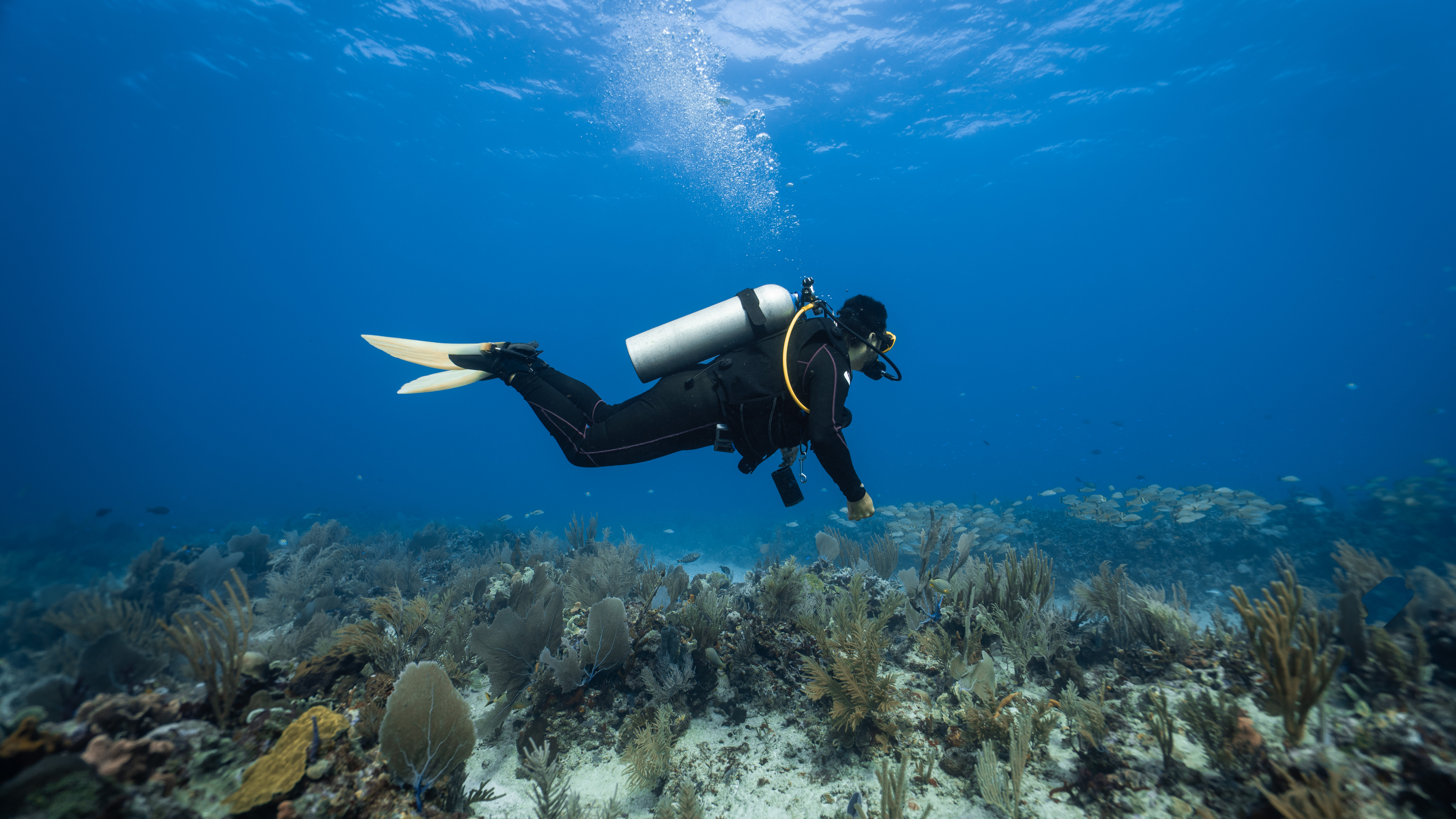
Diving in Martinique offers a fascinating immersion in varied sites that attract divers divers of all levels. Cap Salomon unveils spectacular seabeds at 20 meters depth with its rocky reefs and schools of tropical fish, while Anse Dufour charms with its crystal-clear water ideal for snorkeling and turtle watching. Rocher du Diamant attracts with its caves and unique light plays, whereas the bay of Saint-Pierre allows exploration of historic wrecks like the Roraïma, bearing witness to the island’s volcanic history.
These sites offer remarkable biodiversity, ranging from colorful corals to turtles frequenting the seagrass beds, not to mention sponges and multicolored fish. Each diver can thus live an experience tailored to their desires, from beginner diving to advanced diving, thanks to a varied offer of dive clubs present all around the island.
Main sites to discover for a total immersion
- Cap Salomon: Reefs, rays, snappers at 20 meters depth
- Anse Dufour: Snorkeling, turtles, tropical fish
- Nahoon Wreck: Accessible site, corals, barracudas
- Rocher du Diamant: Caves, faults, schools of fish
- Bay of Saint-Pierre: Historic wrecks, underwater artworks
- Rocher de la Perle: Marine reserve, large pelagics
What marine fauna and flora can be observed during a dive in Martinique?
Marine life in Martinique stands out for its richness and diversity. The observation of green, hawksbill, and sometimes leatherback turtles remains frequent around Anse Dufour, Anse Noire, Anse Madame, or Carbet. Angelfish, parrotfish, surgeonfish, seahorses, and barracudas compose an exceptional biodiversity, favored by the presence of coral reefs and colonized wrecks.
The seabed also shelters sponges, starfish, moray eels, rays, and sometimes harmless sharks, offering divers an unforgettable sensory exploration. Local dive clubs raise awareness about preserving this fragile ecosystem, notably through educational underwater trails.
Iconic species to observe during a dive
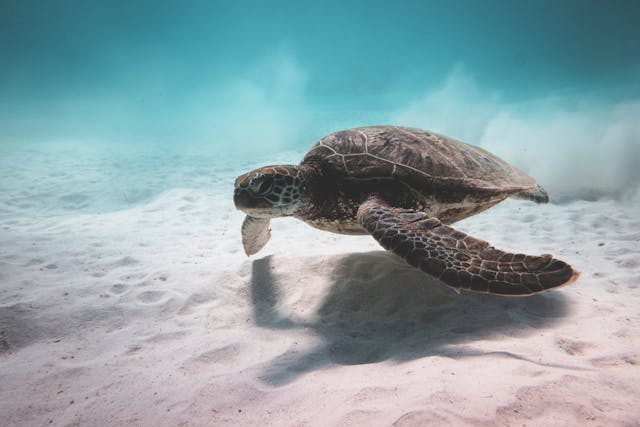
- Turtles green, hawksbill, leatherback
- Fish angelfish, parrotfish, surgeonfish
- Seahorses, moray eels, barracudas
- Rays stingrays, leopard rays
- Starfish, sponges, corals
How to choose your dive club and what services to expect for an optimal experience?
Choosing a dive club in Martinique is based on several essential criteria such as supervision, safety, quality of equipment, and the diversity of sites offered. The 33 professional clubs provide services adapted to everyone, from beginner diving to professional diving, including introductory dives, advanced training, and boat trips to the most renowned seabeds.
Dive clubs generally provide all the necessary equipment, ensuring safe scuba diving even for novices. Some clubs are involved in ecosystem protection by offering awareness activities, notably on artificial reefs and coral preservation.
Criteria for selecting a dive club in Martinique
- Supervision: Certified and experienced instructors
- Equipment: Recent and well-maintained gear
- Diversity of sites: Access to multiple spots (wrecks, reefs, varied fauna)
- Services: Introductory dives, training, boat trips
- Ecological commitment: Marine preservation initiatives
What are the best periods and conditions for diving in Martinique?
Sea diving in Martinique can be practiced year-round thanks to warm water ranging between 26 and 29 degrees Celsius, with exceptional visibility. The dry season, from December to May, remains the most popular period to enjoy optimal conditions, calm seas, and mild weather, favoring both sport diving and free diving.
Dive clubs adapt their outings according to the weather and season, allowing divers to safely enjoy the seabeds and local biodiversity. Sheltered sites, such as Anse Dufour or Rocher du Bourg, offer alternatives even in case of swell.
What complementary activities to diving allow you to discover Martinique differently?
Besides scuba diving, Martinique offers many activities to explore its paradisiacal beaches, coastal trails, and authentic villages. Snorkeling allows admiring marine life at shallow depths, notably on reefs close to the shore or around iconic beaches like Anse Dufour or Anse Noire.
Boat rides reveal the beauty of the southern coast, while educational underwater trails raise awareness about ecosystem preservation. The island also offers hikes, distillery visits, and colorful markets for a complete cultural immersion.
In 1994, the wreck of the Nahoon was deliberately sunk off the Anses d’Arlet to create an artificial reef and provide a new exploration site for divers from all over.
Quiz: Discovering Diving in Martinique
Which site is known for its caves and light effects during diving?
Which emblematic species can be observed while diving around Anse Dufour?
Which site allows discovering a historic wreck, such as the Roraïma?
What is the most favorable period for diving in Martinique?
What is a main advantage of night diving in Martinique?
How to Prepare for Your First Dive in Martinique for a Successful Experience?
Discovering diving in Martinique starts with preparation suited to your level. Dive clubs offer introductory sessions accessible to all, with instructors attentive to supporting beginners. A wise choice of site according to depth and weather ensures a calm and memorable first experience. Booking in advance, especially in high season, guarantees a spot on the most popular outings.
The equipment provided by dive clubs generally includes a wetsuit, mask, snorkel, buoyancy vest, and regulator. Before each immersion, instructors explain the functioning of the equipment and remind safety rules. This step reassures newcomers and promotes a gradual discovery of underwater life while enjoying the island’s exceptional biodiversity.
For a first exploration, favor shallow sites like Anse Dufour or Anse Noire to observe colorful fish and turtles in clear, calm water. Free diving or snorkeling offers a gentle alternative to get used to the marine environment before considering deeper tank dives.
Tips for Managing Anxiety Before Your First Dive
Becoming familiar with diving involves a gradual approach and constant communication with the instructor. Taking the time to breathe calmly on the surface, listen to instructions, and test the equipment in shallow water fosters confidence. Clubs encourage discovery at your own pace, without pressure, for a positive experience from the very first immersion.
Proper Equipment for a Safe Introduction
Well-fitted equipment optimizes comfort and safety during scuba diving. Professionals advise on the choice of wetsuit according to water temperature and ensure the maintenance of the gear. Equipping yourself with a mask suited to your facial structure, a flexible snorkel, and comfortable fins makes adapting to the marine environment easier, especially during initial explorations.
- Choose a club recognized for beginner supervision
- Book an introductory session suited to your level
- Test the equipment in a pool or shallow water
- Favor accessible and protected sites
- Discuss with instructors to clear doubts
What Are the Advantages of Diving in Martinique for Adventure and Nature Enthusiasts?
Martinique captivates with the diversity of its sites, offering unique experiences with each dive. Sport diving enthusiasts appreciate the drop-offs, caves, and wrecks scattered along the Caribbean coast, while biodiversity lovers enjoy the richness of coral seabeds and frequent encounters with turtles, seahorses, and tropical fish.
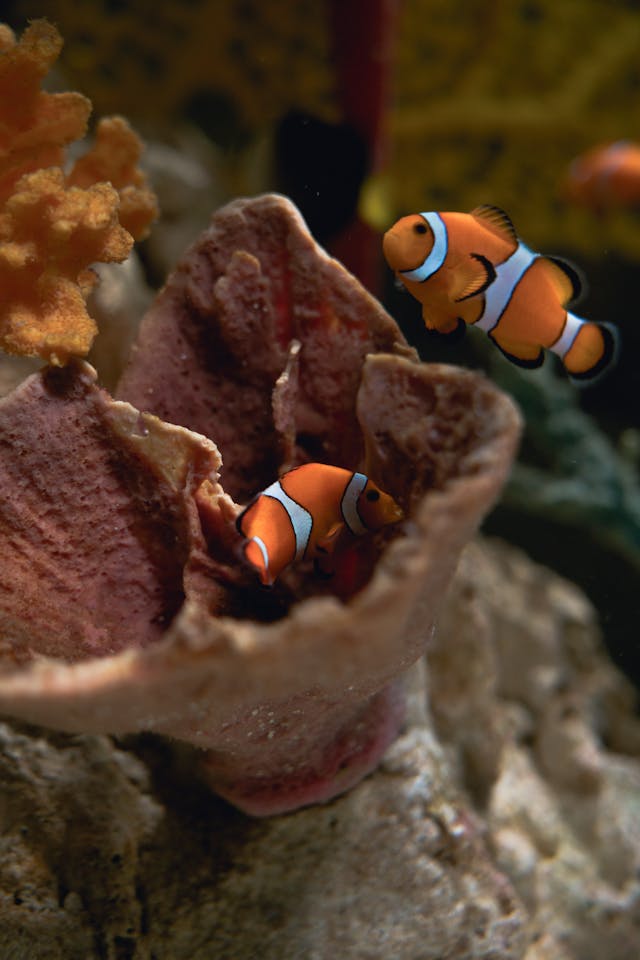
The reefs shelter remarkable fauna and flora, accessible both by snorkeling and scuba diving. The exceptional water visibility allows admiring the vivid colors of the corals and observing interactions between different species. Local dive clubs organize themed outings to discover underwater life at night or explore artificial reefs created to strengthen the ecosystem.
The island also offers the possibility to combine underwater exploration with cultural discovery by visiting fishing villages, markets, or distilleries after a dive. This complementarity between diving and land activities enriches the stay and allows immersion in authentic Martinique.
Unusual Experiences to Live Underwater
Participating in a night exploration reveals another facet of underwater life in Martinique. Outings organized at dusk allow observing nocturnal behaviors of species, bioluminescence, and predator hunting. These immersions offer unique sensations and memorable experiences.
Diving and Awareness for Marine Conservation
Dive clubs are actively committed to protecting the local ecosystem. Awareness workshops and marine debris clean-up actions are regularly offered, involving divers in preserving Martinique’s biodiversity. This approach promotes responsible tourism and encourages respect for the fragility of the reefs.
- Dive on historical wrecks
- Observation of nocturnal fauna
- Participation in reef protection
- Discovery of secret sites in small groups
- Meetings with passionate guides
- Exploration of artificial reefs
Why is Martinique an essential destination for diving?
Martinique stands out as a preferred choice for diving enthusiasts thanks to the diversity of its sites, the richness of its biodiversity, and the quality of the welcome offered to divers. The island combines exceptional underwater landscapes, historically rich shipwrecks, and vibrant reefs, accessible year-round. Each dive becomes an opportunity to experience an authentic exploration, marvel at marine life, and discover a new passion in a preserved and inspiring setting.
Frequently asked questions to succeed in your diving adventure in Martinique
Can you dive in Martinique without prior experience and what sensations can you expect during your first baptism?
You can absolutely discover diving in Martinique without any prior experience. Local clubs guide beginners step by step, with attentive instructors and protected sites suitable for initiation. Your first baptism provides a unique sensation of lightness, calm, and wonder in front of colorful marine life; this immersion often marks the beginning of a lasting passion for underwater exploration.
How to preserve Martinique’s biodiversity while enjoying its exceptional underwater environments?
To help preserve reefs and local species, make sure not to touch the corals or disturb the wildlife during your dives. Choosing clubs committed to marine protection and respecting your guides’ instructions promote responsible tourism. Small actions like picking up trash or using environmentally friendly sunscreens contribute to safeguarding the natural heritage for future generations.