Escape guaranteed for those seeking thrills and authentic experiences in Sri Lanka. Do you feel the desire to live unforgettable marine encounters, to swim among turtles and historically rich shipwrecks, while avoiding the pitfalls of mass tourism? Sri Lanka, with its colorful reefs and fascinating wildlife, attracts travelers eager for sharing and preserved nature every year.
However, choosing the right site, the best season, and an environmentally respectful center can prove complex to fully enjoy the local underwater richness. Thanks to experience gained in the field, between immersion in local life and exceptional stays, I offer you a practical approach: understanding the specifics of each region, anticipating ideal conditions, and adopting the right reflexes for an adventure that is both safe and responsible.
Which diving spots in Sri Lanka offer the most varied experiences?
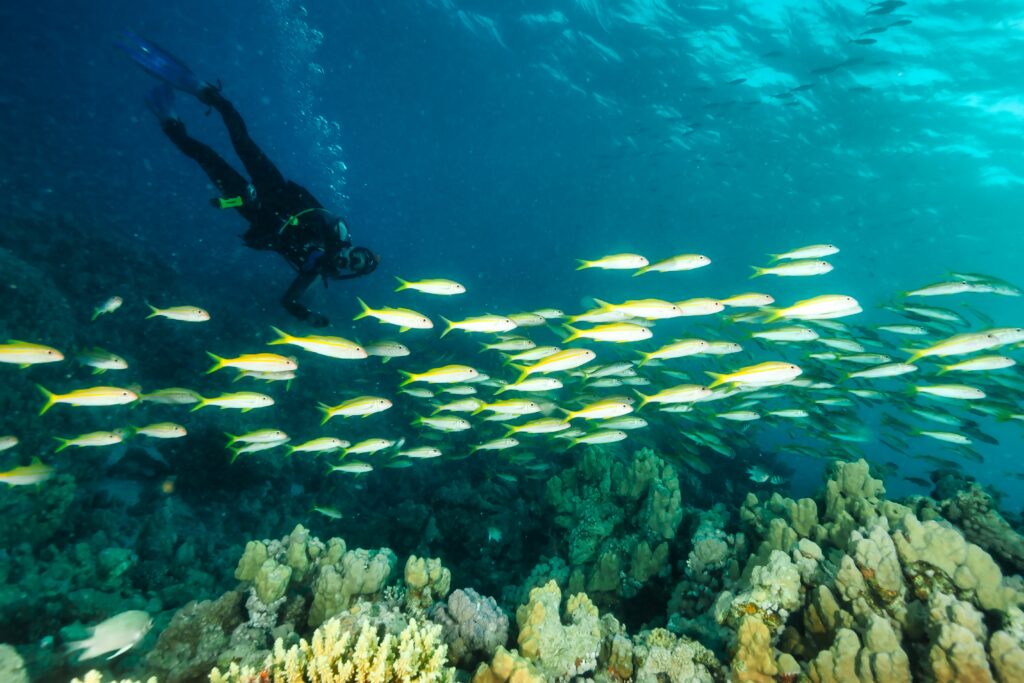
Diving in Sri Lanka reveals a multitude of dive sites suitable for every level. Each region offers different underwater landscapes, between historic wrecks, living reefs, and animal encounters. The areas of Trincomalee, Kalpitiya, and Mirissa are renowned for their diversity.
The east coast entices with its accessible wrecks and beaches ideal for snorkeling. Turtles and whales regularly frequent these waters, offering privileged observation of marine life. The south, at Mirissa, attracts with its colorful reefs and abundant marine fauna.
Lovers of macro, big fish, and coral find their happiness on the coral reefs of Kalpitiya and Colombo. Visibility varies according to the season, but biodiversity remains remarkable all year round.
Main sites to prioritize
- Trincomalee and Pigeon Island for the diversity of wrecks and the presence of sharks
- Kalpitiya for its coral reefs and whale watching
- Mirissa for biodiversity and turtles
- Colombo for wrecks accessible to all levels
Which wrecks to explore for a historical dive rich in wildlife?
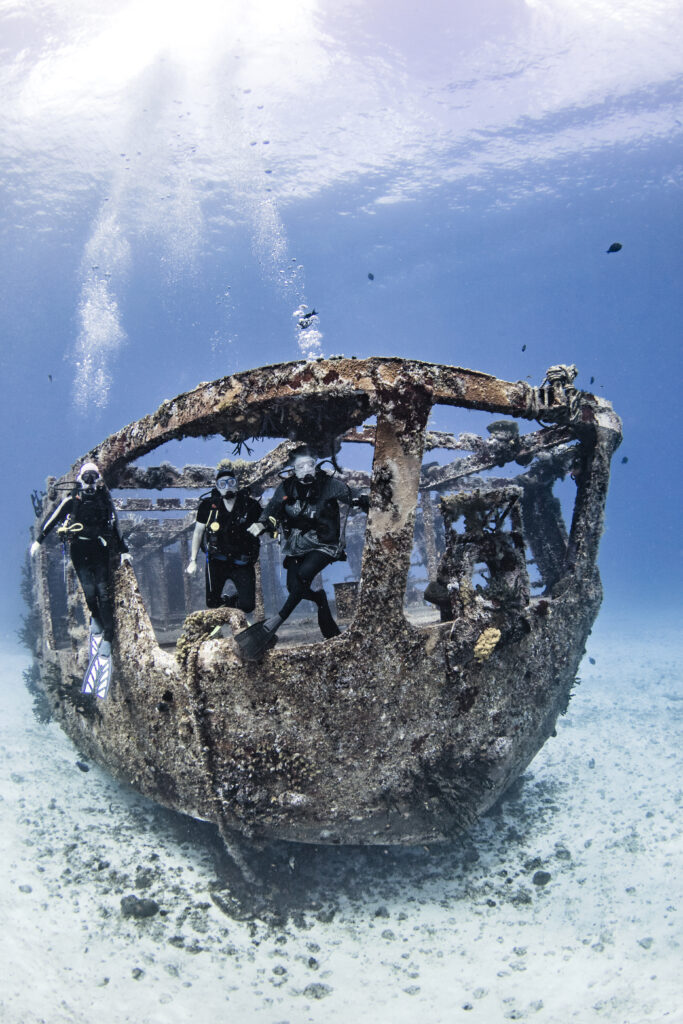
Diving on the wrecks of Sri Lanka fascinates with their history and their wildlife. The British Sergeant, a 122-meter cargo ship, allows observation of barracudas, scorpionfish, and nudibranchs. The depth of 24 meters makes the site accessible to many divers.
The aircraft carrier Hermes, at 50 meters, attracts enthusiasts of technical scuba diving. The marine life there is impressive, with rays, white-tip sharks, and marine mammals depending on the season. The MV Cordiality in Trincomalee, at 18 meters, offers an immersive experience accessible to all.
These sites feature diverse flora and fauna around the wrecks, ideal for enthusiasts of observation and historical exploration. Each reveals a unique facet of Sri Lanka’s marine life.
Wrecks Not to Miss
- British Sergeant at Kayankerni: accessible and rich in wildlife
- Hermes at Batticaloa: reserved for experienced divers
- MV Cordiality at Trincomalee: easy access, remarkable biodiversity
- Thermopylae Sierra at Colombo: ideal for beginners in wreck diving
How to Choose the Best Season to Observe Turtles, Whales, and Large Fish?
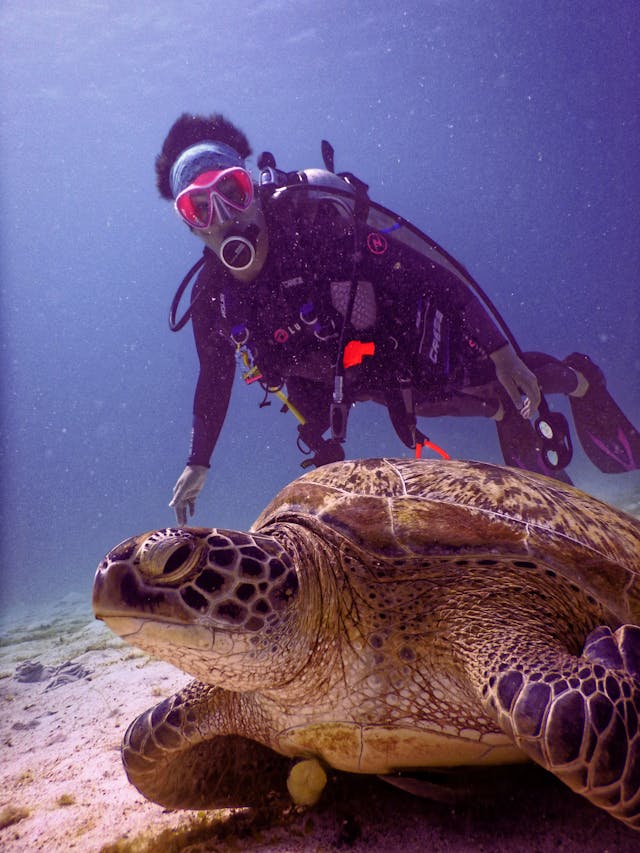
Visibility and the presence of turtles, whales, and large fish vary depending on the period. From November to March, Kalpitiya and the east coast stand out for observing blue whales, sperm whales, and dolphins. The region’s coral reefs also host turtles and tropical fish.
In Mirissa, the dry season before the monsoon favors encounters with turtles and parrotfish. These sites allow for an enjoyable dive, with optimal visibility and exceptional biodiversity.
The reefs of Colombo and Trincomalee become more attractive in spring and summer, when currents bring a wide variety of marine fauna and flora. Each site offers advantages depending on the seasons and species sought.
What Precautions and Regulations Should Be Followed for Safe Diving in Sri Lanka?
Safety and regulations are at the heart of every scuba dive in Sri Lanka. It is recommended to wait at least 24 hours before flying after a dive, and 48 hours after multiple successive dives to reduce any risk.
Following instructors’ guidelines ensures optimal safety. Deeper sites or those exposed to currents require advanced experience. Local clubs offer training adapted to every level, with strict adherence to international rules.
The preservation of marine life and coral reefs is a priority. Respecting regulations protects wildlife and flora while ensuring the future richness of dive sites. Water activities such as snorkeling and kayaking complement the experience.
Best Practices for Responsible Diving
- Respect the waiting times before flying after a dive
- Listen to instructors’ recommendations
- Do not touch corals or wildlife
- Prefer certified clubs for maximum safety
The world’s first designed aircraft carrier, HMS Hermes, now rests off the coast of Sri Lanka, accessible only to the most experienced technical divers.
Quiz: Discovering Diving Sites in Sri Lanka
Which region of Sri Lanka is known for its diversity of wrecks and the presence of sharks?
Which wreck site is accessible to all levels and offers remarkable biodiversity?
Which season is ideal for observing whales and turtles in the Kalpitiya region?
What criterion is essential for choosing a responsible diving center in Sri Lanka?
What criteria should be prioritized when choosing your diving center in Sri Lanka?
Selecting a reliable diving center is based on the quality of equipment, the competence of instructors, and compliance with local and international regulations. A good center is identified by modern facilities, detailed briefings, and careful supervision to ensure the safety of each diver. Recognized certifications, such as PADI or SSI, guarantee a structured and reassuring experience for all levels, from beginner to expert.
The choice of center directly influences the discovery of wildlife and the preservation of coral reefs. A center committed to protecting marine life raises awareness of the impact of every action underwater. Prioritizing these facilities allows for responsible observation and contributes to the preservation of corals and emblematic species of Sri Lanka.
Training adapted to each level
Diving centers in Sri Lanka offer courses for everyone, from introductory dives in shallow waters to advanced training. This diversity allows access to varied diving sites safely and to explore reefs or wrecks according to one’s desires and experience.
Quality of supervision
An experienced instructor ensures maximum safety and shares valuable advice to optimize each observation. Their knowledge of currents and local particularities offers a richer immersion and a privileged contact with marine wildlife.
Ecological commitment
Some centers invest in the protection of coral reefs and raising awareness about biodiversity. Participating in cleanup actions or scientific monitoring programs enriches the experience and promotes the preservation of marine life.
Choosing Sites According to the Season
The geographical distribution of the centers allows access to different diving sites depending on the period. The east coast, south, and west of Sri Lanka offer optimal conditions at different times of the year, ensuring exceptional visibility and biodiversity.
- Check the center’s certifications
- Observe the condition of the equipment and facilities
- Inquire about the instructors’ experience
- Favor centers committed to the environment
- Adapt the choice of site to the season
Why Does Diving in Sri Lanka Attract Adventure Enthusiasts So Much?
The diversity of diving sites, the richness of wildlife, and the beauty of coral reefs make Sri Lanka an essential destination for water sports enthusiasts. Each dive promises unique encounters, from historically rich shipwrecks to majestic whales, as well as colorful fish and peaceful turtles. This variety turns every outing into an exploration and constantly renews the wonder of divers.
Frequently Asked Questions About Diving in Sri Lanka in 2025
Can you dive all year round in Sri Lanka or are certain periods preferable?
Diving conditions vary depending on the seasons and location. From November to April, the west and south coasts offer excellent visibility, while the east coast becomes ideal from May to October. Adjusting your dates allows you to make the most of the underwater richness and major wildlife encounters.
What rare marine animals can you hope to observe while diving in Sri Lanka?
Sri Lankan waters harbor many treasures, such as reef sharks, manta rays, and sometimes blue whales during their migration. Green and hawksbill turtles as well as schools of colorful tropical fish are regular encounters, making each dive unique.
How to combine diving, cultural discovery, and local immersion during a stay?
The proximity of diving sites to authentic villages and historic temples allows for easy alternation between underwater exploration and cultural discoveries. Taking the time to interact with locals or participate in traditional fishing trips enriches the experience and offers a deeper insight into Sri Lanka.