Faced with the fragility of the seabeds, every action counts and the slightest impact can leave a lasting mark. Preserving biodiversity becomes a shared responsibility from the moment one gears up for a dive. Feeling the privilege of moving among intact corals and preserved wildlife evokes a unique sense of deep connection with nature. Yet, tourism pressure threatens the balance of these ecosystems. Adopting eco-responsible practices then becomes the key to continuing to experience these moments without harming their beauty. Understanding the issues, choosing suitable equipment, and applying respectful actions form the foundation of a sustainable approach, where each dive becomes an act of protection and a source of renewed wonder.
Why adopt eco-responsible practices in scuba diving?
Adopting strict regulations during each dive promotes the protection of aquatic environments and limits risks to local biodiversity. Committing to an eco-responsible approach ensures the long-term sustainability of dive sites. Raising divers’ awareness about proper behavior underwater contributes to increased respect for the environment.
Comparative table of recommended eco-responsible practices
| Practice | Impact on the ecosystem | Difficulty level | Recommended equipment |
|---|---|---|---|
| Buoyancy control | Preserves coral and avoids disturbing wildlife | Medium | Appropriate buoyancy vest |
| Use of mineral sunscreen | Reduces pollution and protects flora | Easy | Sunscreen without oxybenzone |
| Participation in underwater clean-ups | Fights degradation related to waste | Easy | Reusable mesh bag |
| Choice of recycled or recyclable equipment | Promotes overall sustainability | Easy | Eco-friendly neoprene wetsuit |
| Respect for species and habitat | Maintains the balance of marine biodiversity | Easy | Observation binoculars |
A responsible dive begins with choosing sites that have clear regulations, ensuring biodiversity preservation and ecosystem sustainability. Mastering buoyancy reduces impact on coral and local wildlife while maintaining site visibility and quality. Committed divers favor recycled or recyclable equipment to limit their environmental footprint.
Protecting seabeds also depends on managing individual and collective behaviors. Respecting distance from marine life avoids disturbing species and supports the conservation of their habitat. Using reef-friendly sunscreens prevents pollution and protects underwater flora.
List of benefits of eco-responsible diving
- Biodiversity preserved for future generations
- Durability of dive sites
- Increased respect for the marine environment
- Conservation of wildlife and flora
- Reduction of pollution and waste
- Promotion of the use of recycled equipment
How to choose equipment that is suitable and respectful of the seabed?
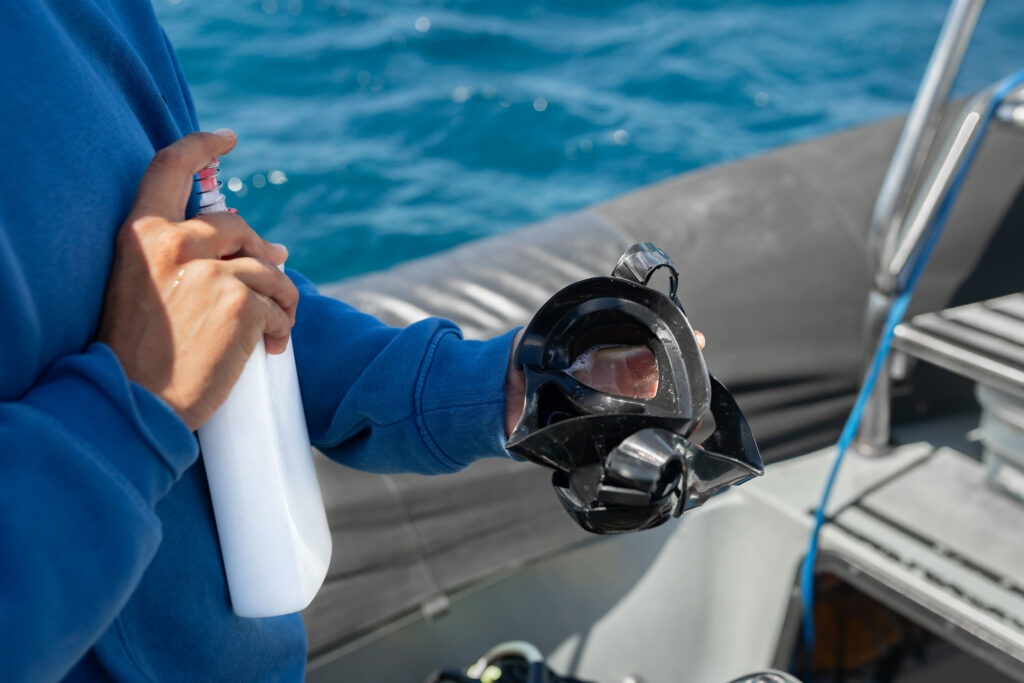
Suitable equipment plays a role in protecting the underwater ecosystem. Favoring wetsuits, fins, and masks made from recycled or recyclable materials limits the ecological footprint of each dive. Adopting environmentally friendly accessories encourages sustainable innovation in the sector.
The selection of diving gear must take into account durability, origin, and the ability to be repaired or reused. Committed brands offer products whose design meets strict criteria for respecting marine biodiversity. Optimizing diver behavior also involves choosing adjustable weighting, promoting ideal buoyancy.
Mineral sunscreens are recommended to limit chemical pollution and preserve the fauna and flora of the reefs. Accessories such as reusable trash bags or eco-friendly neoprene gloves complete a kit dedicated to marine conservation. Vigilance regarding the management of single-use plastics remains essential.
Selection criteria for eco-responsible equipment
- Use of recycled and recyclable materials
- Absence of harmful substances for coral and marine life
- Repairability and durability of the equipment
- Reduced environmental impact during manufacturing
- Compliance with local and international regulations
What actions to adopt to preserve marine biodiversity during each dive
Adopting simple and precise actions helps limit site degradation and protect marine biodiversity. Maintaining a sufficient distance from fauna and flora avoids any disruptive interaction. Observing without touching or feeding the species ensures respect for their habitat.
Buoyancy control is a priority to avoid touching coral or stirring up sediments, which would harm the ecosystem. Participating in specialized training improves mastery of this technique. Experienced divers incorporate these skills for every immersion.
Collecting waste encountered underwater and participating in cleanup operations contribute to the protection of the seabed. The use of specific bags and limiting plastic are habits to adopt. Respecting regulations prohibiting the collection of fauna or coral remains fundamental.
How to get involved in conservation and awareness around eco-responsible diving
Contributing to ocean conservation involves participating in scientific or associative projects. Joining citizen science platforms allows for collecting data on reef health, detecting the presence of invasive species, and reporting signs of degradation. These initiatives strengthen ecosystem protection.
Raising public awareness takes place during workshops, conferences, or via social media. Sharing experiences and encouraging respect for the marine environment contributes to the creation of communities committed to sustainability. Environmental education promotes the adoption of responsible behaviors by all diving stakeholders.
Participating in reef restoration, supporting Marine Protected Areas, and promoting the use of ocean-friendly equipment are concrete actions within the reach of every diver. Getting information from specialized organizations and engaging in beach or seabed cleanup operations strengthen the positive impact on biodiversity.
During a cleanup mission in Raja Ampat, a team of French divers collected more than 150 kilos of waste in a single morning, highlighting the importance of collective commitment to preserving the world’s richest coral reefs.
To preserve marine biodiversity during your underwater explorations, it is essential to adopt eco-responsible gestures such as choosing sunscreens that are respectful of the seabed to limit the impact of chemicals on the ecosystem.
Which individual actions to prioritize to limit environmental impact during a dive
Limiting the impact on biodiversity requires rigorous preparation before each outing. Becoming familiar with the specifics of each site, respecting the instructions of local guides, and planning underwater movements prevent accidental damage. Adopting a responsible attitude, avoiding contact with coral, and not disturbing wildlife are habits to integrate from the briefing. Careful observation of other divers’ behavior also helps reinforce respectful collective management.
Reducing waste production and limiting the use of single-use plastic strengthen the protection of the marine ecosystem. Preferring reusable water bottles, biodegradable packaging, and washable waterproof bags is part of a sustainability approach. Using low-consumption LED lamps and rechargeable batteries contributes to the preservation of the underwater environment. Every individual action participates in the conservation of marine life.
Comparison of gestures to prioritize for responsible diving
| Action | Effect on the environment | Ease of implementation |
|---|---|---|
| Maintaining distance from wildlife | Avoids stress to species | High |
| Picking up floating debris | Reduces visible pollution | High |
| Using reusable water bottles | Decreases single-use plastic | High |
| Preparing equipment before immersion | Limits equipment loss | Medium |
| Silent observation | Respects natural behavior of wildlife | High |
| Using LED lamps | Reduces light pollution | High |
Optimizing buoyancy to preserve the ecosystem
Perfect mastery of buoyancy helps avoid any involuntary contact with coral or seabeds. Ongoing training on this technique improves safety and the protection of fragile habitats. Appropriate weighting and breath control are essential to move without disturbing marine life.
Promoting respectful and innovative equipment
Choosing equipment made from innovative, recycled, or recyclable materials reduces the carbon footprint of each dive. Manufacturers now offer fins, masks, and wetsuits from eco-designed supply chains. Favoring these solutions promotes the overall sustainability of the sector.
Adapting One’s Behavior Towards Wildlife and Flora
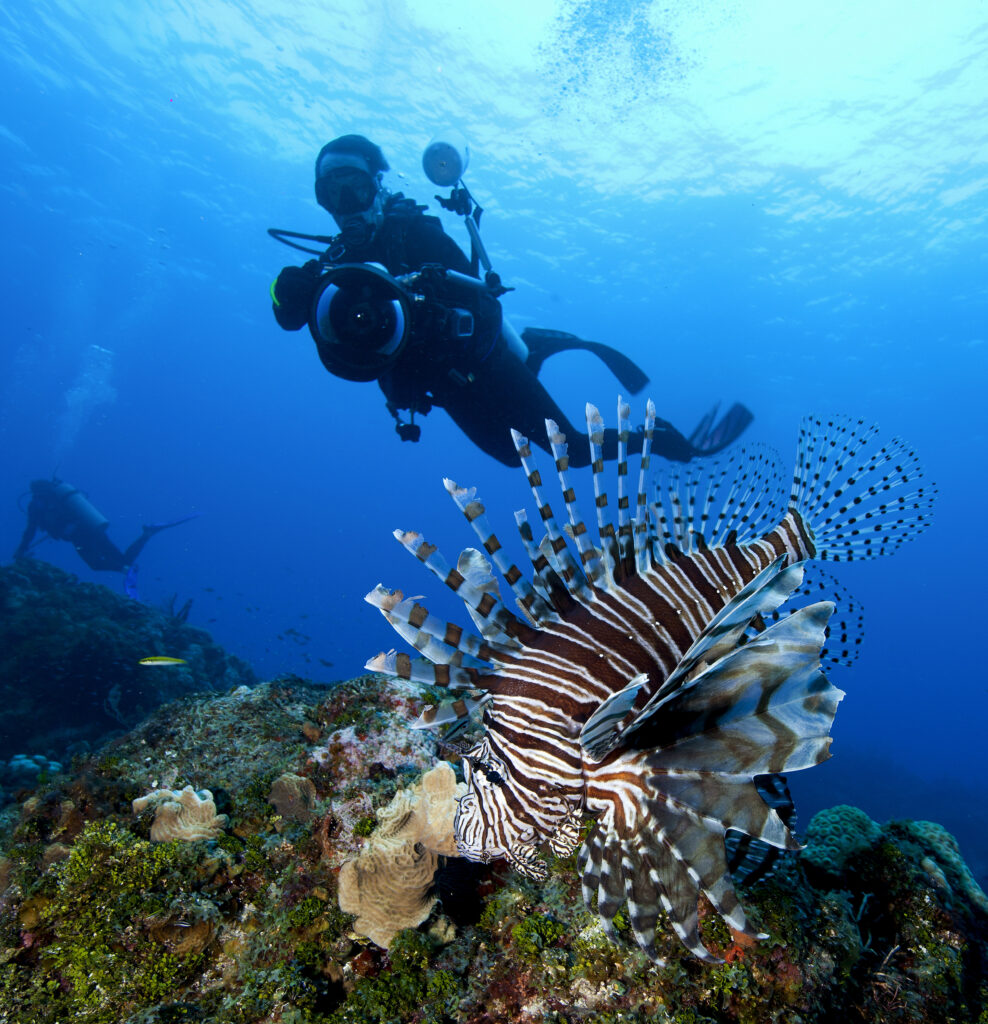
Observing wildlife and flora without direct intervention preserves their natural habitat. Photographing from a distance, limiting noise, and avoiding sudden movements ensure maximum respect for species. The absence of unnecessary interaction guarantees the tranquility of marine biodiversity.
Actively Participating in Local Awareness
Sharing knowledge about responsible practices with other divers or locals enhances the local environment. Organizing workshops, information sessions, or educational outings multiplies the positive impact on conservation. Supporting local initiatives strengthens cohesion around ocean protection.
- Train in buoyancy control
- Choose reusable accessories
- Respect site regulations
- Conduct briefings on wildlife protection
- Avoid feeding marine animals
How Can Eco-Responsible Diving Transform the Traveler’s Experience?
Adopting eco-responsible diving practices offers an authentic immersion into marine biodiversity and raises awareness about ocean protection issues. This approach fosters a deep connection with the environment and enhances the traveler’s personal satisfaction. Engaging in marine conservation transforms every dive into a rewarding and sustainable experience.
The sea, once it has cast its spell, holds a person in its net of wonder forever. — Jacques-Yves Cousteau
FAQ: Deepening Eco-Responsible Diving for a Committed Traveler
How to recognize a dive center truly committed to environmental protection?
A responsible center relies on recognized certifications (PADI Green Star, Blue Oceans, etc.), displays a clear waste management policy, and prioritizes training its teams in marine ecology. You will also notice the use of durable equipment, strict adherence to quotas on sensitive sites, and involvement in local conservation actions.
Can Underwater Photography Be Practiced Without Impacting Biodiversity?
Underwater photography is done with full respect for wildlife and coral, maintaining a reasonable distance, avoiding the use of powerful flashes, and never handling animals or substrates. Preparing settings in advance and favoring discreet observation ensure authentic shots without disturbing the ecosystem.
What Are the Warning Signs Indicating Degradation of a Dive Site?
The visible decrease in wildlife, the increased presence of filamentous algae, coral bleaching, or the accumulation of debris are tangible indicators. An experienced local guide will be able to raise your awareness of these signals and encourage you to report any anomalies to the authorities or specialized associations.