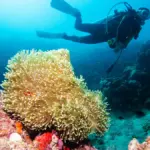
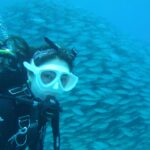
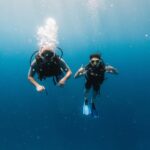
Fragility of the oceans, threatened wealth, shared responsibility: each dive reveals the beauty and vulnerability of marine ecosystems, leaving a lasting mark on those who experience it. Faced with the rapid degradation of aquatic habitats, the pressure from human activities disrupts underwater life and questions our relationship with nature. Between pollution, overfishing, and climate change, biodiversity is eroding, giving way to transformed landscapes.
Understanding the direct impacts of our actions and adopting responsible practices during diving becomes an essential approach to preserve the magic of the seabed. This narrative is based on experience gained across more than 50 countries, combining personal observations, reflections on mass tourism, and practical advice for action, to offer a clear path: from recognizing threats to concrete commitment for conservation.
How do human activities modify marine ecosystems?
Human activities have caused a major transformation of marine ecosystems over more than 66 percent of the ocean surface. The degradation of marine environments is manifested by intense pressure due to overfishing, maritime transport, and intensive industrial exploitation, visible on global maps except at the poles. These disturbances directly affect habitat quality, the health of marine organisms, and the stability of food chains.
Pollution in general, notably plastic and chemical contaminants, accumulates in seabeds and underwater soils, altering the biology of microorganisms and benthic species. These changes result in a notable decline in biodiversity, reducing the resilience capacity of marine environments against external pressures.
Main impacts of human activities on marine environments
| Factor | Direct effect | Impacted area | Consequence on biodiversity |
|---|---|---|---|
| Overfishing | Stock reduction | Global oceans | Decline of predators |
| Plastic pollution | Accumulation in sediments | Seabeds | Alteration of microorganisms |
| Extractive industries | Habitat destruction | Coastal areas | Decline of coral reefs |
| Acidification | Alteration of calcification | Tropical zones | Coral mortality |
| Bottom trawling | Benthic destruction | Continental shelves | Loss of seagrass meadows |
| Ice melting | Habitat modification | Poles | Species displacement |
| Sea level rise | Coastal flooding | Coastlines | Mangrove regression |
What are the main factors of marine habitat degradation?
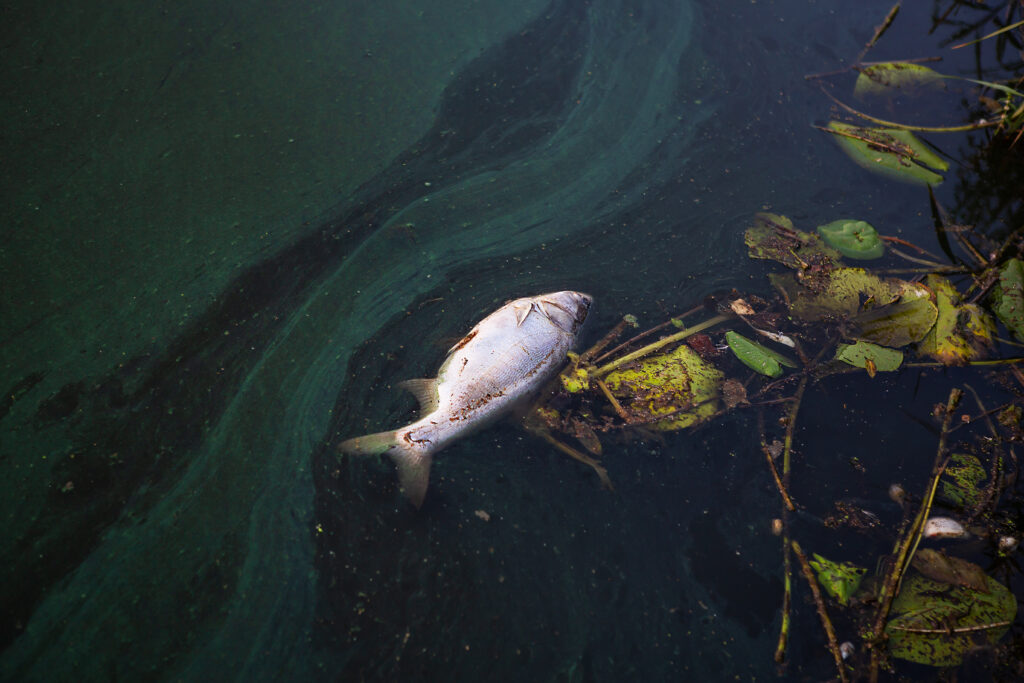
The degradation of marine habitats results from several factors: plastic pollution, ocean acidification, overfishing, and direct destruction of coastal zones. Mangrove forests now retain less than 25 percent of their original area, while seagrass meadows decrease by more than 10 percent per decade.
Extractive industries and bottom trawling exacerbate the disturbance of seabeds, leading to a loss of refuges for marine organisms and a decline in biodiversity. The accumulation of waste and toxic substances in sediments transforms the structure of marine ecosystems and harms species reproduction.
Major factors responsible for habitat transformation
- Plastic pollution: Persistent waste in the oceans
- Acidification: Consequence of CO2 absorption
- Overfishing: Depletion of fishery resources
- Destruction of mangroves: Urbanization and aquaculture
- Bottom trawling: Modification of seabeds
- Extractive industries: Oil and mining extraction
How is marine biodiversity evolving in response to these pressures?
Marine biodiversity is undergoing a rapid decline, marked by the disappearance of half of the coral reefs since 1870 and the scarcity of primary producers such as diatoms. Marine predators, including sharks and orcas, are seeing their populations decrease, disrupting trophic networks.
Marine organisms face biological disruption due to pollution accumulation and seabed modification. The loss of mangrove forests and seagrass meadows reduces nursery areas and weakens the overall stability of marine ecosystems.
What are the effects of acidification and climate change on the oceans?
Ocean acidification results from increased absorption of atmospheric CO2, which hinders shell formation in corals and mollusks. This change impacts the growth of calcifying marine organisms and accelerates coral reef degradation.
Ice melt and rising sea levels alter coastal and offshore habitats, causing species displacement and profound transformation of marine ecosystems. These upheavals affect water oxygenation and the distribution of primary producers.
What role does scuba diving play in conservation and awareness?
Scuba diving offers a unique opportunity to observe biodiversity and bear witness to the impact of human activities on marine ecosystems. Divers contribute to monitoring coral reefs and documenting endangered species, thereby strengthening conservation efforts.
Local initiatives raise visitor awareness about preserving seabeds, promoting responsible behaviors. Direct observation of sharks, primary producers, and marine predators during sea outings encourages respect for fragile aquatic environments.
Awareness and conservation actions through scuba diving
- Educational programs: Training on ocean protection
- Underwater cleanups: Collection of plastic waste
- Species monitoring: Census of shark and coral populations
- Support for Marine Protected Areas: Compliance with local regulations
In 2025, the prolonged presence of bull sharks on Sydney’s beaches illustrated the direct effect of climate change and human disturbances on the distribution of marine predators.
To preserve the richness of marine ecosystems, it is essential to be informed about the harmful impact of certain sunscreens on marine seabeds during any scuba diving activity.
What responsible practices should be adopted to preserve marine ecosystems during diving?
Adopting a respectful approach during scuba diving limits the disturbance of marine ecosystems. Avoiding contact with coral reefs protects fragile structures and the life that develops there. Maintaining good buoyancy reduces the risk of damage to the seabed and preserves marine organisms living near the substrate.
Managing personal waste remains essential to limit pollution. Using appropriate equipment, such as non-toxic sunscreens, reduces the impact of chemicals on local biodiversity. Favoring diving operators committed to conservation encourages the development of initiatives respectful of marine habitats.
Participating in conservation programs allows direct action on the preservation of marine ecosystems. Divers can contribute to monitoring primary producers and predators, fostering a better understanding of ongoing changes. Education in marine biology raises lasting awareness and encourages the adoption of responsible behaviors.
Examples of responsible actions during diving
| Action | Immediate Effect | Area Concerned |
|---|---|---|
| Avoid contact with corals | Preservation of coral reefs | Tropical reefs |
| Use biodegradable sunscreens | Reduction of chemical pollution | Coastal areas |
| Collect underwater waste | Improvement of water quality | Popular diving sites |
| Support committed clubs | Funding conservation | Global network |
| Respect marine wildlife | Reduction of animal stress | Sensitive ecosystems |
| Inform new divers | Dissemination of best practices | Training centers |
The importance of environmental training for divers
Awareness of the impact of human activities on the oceans begins during training. Curricula now include modules on the conservation and protection of seabeds. A thorough understanding of ecological changes promotes the adoption of responsible behaviors and supports biodiversity preservation.
Diving operators and sustainable site management
Professional organizations play a key role in transforming practices. Some operators limit the number of divers on sensitive sites, organize cleanup campaigns, and participate in biodiversity monitoring. Their commitment contributes to the sustainable conservation of marine ecosystems and the promotion of responsible destinations.
- Choose certified diving operators
- Participate in beach cleanup actions
- Use environmentally friendly equipment
- Train in marine species identification
- Respect distances from wildlife
How can each diver become an actor in ocean preservation?
Each diver plays a role in preserving marine ecosystems by adopting simple and responsible actions during their explorations. By joining conservation initiatives, limiting pollution, and sharing knowledge about biodiversity, everyone contributes to the protection of aquatic environments. Individual commitment fosters collective awareness and strengthens the positive impact on the health of the oceans.
The sea, once it has cast its spell, holds a soul in its net of wonder forever. – Jacques-Yves Cousteau
Frequently asked questions about marine ecosystem protection and responsible diving
How can divers reduce their footprint during a trip abroad?
Favor local diving operators certified for their environmental commitment, limit the use of single-use plastics, and promote eco-friendly transportation to dive sites as wise choices. By adopting simple actions, such as picking up underwater waste or avoiding purchasing souvenirs derived from marine wildlife, each diver contributes to the preservation of the visited environments.
Can diving really influence the behavior of coastal communities?
Your presence as a respectful diver encourages local stakeholders to value the preservation of the marine environment. The economic benefits associated with ethical tourism often motivate communities to establish sustainable practices, such as creating marine protected areas or providing awareness training, thereby strengthening ecosystem resilience.