Feeling the power of the ocean, observing the richness of marine life, and living to the rhythm of the currents transforms each experience into a lesson on the fragility of ecosystems. Faced with human pressure and habitat degradation, preserving biodiversity becomes a shared responsibility. By adopting respectful practices, limiting marine pollution, and getting involved in awareness efforts, every action contributes to the protection of the seabeds. A path guided by awareness and collective action is essential to ensure the sustainability of reefs and the beauty of the depths.
How does underwater biodiversity shape marine ecosystems?
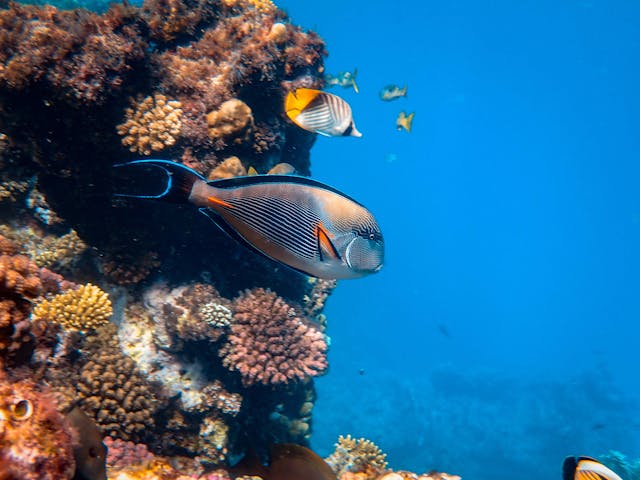
Underwater biodiversity structures ocean life through a multitude of interconnected species that form complex networks. Every organism, from the smallest algae to the largest creature, participates in the balance of habitats by influencing the surrounding fauna and flora. The seabeds and reefs thus harbor remarkable diversity, essential to the health of the oceans.
The richness of underwater biodiversity enables the regulation of natural cycles and ensures the resilience of ecosystems in the face of changes. Interactions between species promote resource conservation and contribute to the stability of the seabeds. The adaptation of each organism to its environment guarantees the sustainability of reefs and coastal areas.
Examples of key relationships in marine ecosystems
- Predation and population regulation
- Pollination and dispersal of algae
- Mutual protection between species
- Nutrient cycling
- Formation of reef structures
What are the impacts of diving on the health of species and marine habitats?
Diving directly influences the behavior and health of marine species through human presence and close observation. Movements, noise, and proximity can generate stress and alter animal behavior, leading to disruption of natural life cycles. This gradual degradation impacts the protection of seabeds.
Eco-responsible management of diving reduces pollution risks and limits pressure on reefs and fauna. Adopting a respectful approach helps preserve the balance of systems and supports the conservation of fragile habitats.
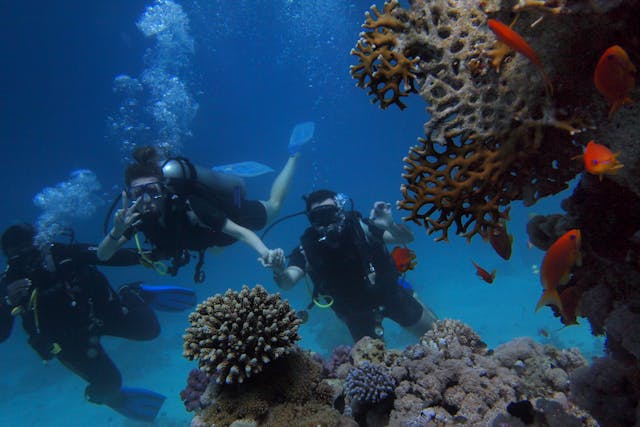
Actions to prioritize to limit the impact of diving
- Maintain a reasonable distance from animals
- Control buoyancy to avoid any contact
- Avoid sudden movements
- Do not touch wildlife or plants
- Alternate between different dive sites
How to limit pollution and waste during dives?
Local pollution generated by divers mainly comes from abandoned waste or products from equipment. Using environmentally friendly gear and picking up encountered waste helps prevent plastic pollution, chemical pollution, and marine pollution in sensitive areas.
Participating in cleanup actions and adopting eco-responsible practices during each dive contributes to the protection of the seabed. Reducing noise pollution and light pollution also helps preserve the natural behavior of species.
Tips for eco-responsible diving
- Use equipment free of harmful substances
- Pick up waste during dives
- Limit the use of chemical products
- Participate in cleanup operations
- Respect local environmental guidelines
What is the diver’s role in the sustainable management of marine resources?
The diver plays a central role in resource management and species conservation by adopting responsible behaviors. Learning about protected species, respecting quotas, and raising awareness among peers promote the protection of the seabed and reefs.
Supporting local sustainable management initiatives and participating in scientific data collection strengthens conservation efforts. Diver engagement in preserving marine habitats proves to be an effective lever to ensure biodiversity richness.
Actions for responsible resource management
- Learn about protected species
- Support sustainable management programs
- Participate in scientific data collection
- Raise awareness among other divers
- Respect quotas and local regulations
How to strengthen awareness of marine biodiversity preservation?
Awareness plays a key role in habitat protection and species conservation. Educational tools such as videos, posters, and waterproof brochures are distributed to dive centers to encourage the adoption of good practices. These materials inform about the importance of biodiversity and the need to respect wildlife and plants.
The messages emphasize respecting the seabed, mastering buoyancy, and limiting contact with the substrate. This awareness fosters collective engagement for marine environmental protection and ecological balance preservation.
Key messages to remember for each dive
- Respect wildlife and plants
- Master your buoyancy
- Limit the use of photographic flash
- Do not bring anything up from the seabed
- Get informed before and after each dive
In the Mediterranean, partner diving centers have enabled the repopulation of endangered species thanks to data collection carried out by volunteer divers.
To better understand the impact of products used by divers on ecosystems, it is essential to learn about the effects of sunscreen on marine seabeds and to adopt responsible behaviors when preserving marine habitats.
What behaviors should be adopted in the face of coral reef degradation?
Coral reefs are under increasing pressure due to the degradation of seabeds and human activities. Divers can support protection by reporting signs of bleaching or diseases observed during dives. This approach feeds conservation programs and allows for quick action to preserve local biodiversity.
Strict respect for marked zones and limiting contact with fragile habitats reduce the risk of deterioration. Favoring suitable routes contributes to the sustainable management of sites and limits stress on endemic fauna and flora. Careful observation of reefs also promotes a better understanding of the species present.
Participating in awareness workshops on the impact of pollution and inappropriate behaviors strengthens commitment to reef protection. Diving centers often offer specific training to learn how to recognize signs of degradation and adopt a responsible attitude underwater.
The role of citizen science in reef preservation
Citizen science programs involve divers in collecting data on reef health and the presence of waste. These observations feed international databases, facilitating resource management and quick decision-making in case of pollution or significant disturbance. Collective involvement increases the conservation of seabeds.
Preventing plastic pollution in diving areas
Limiting the use of single-use plastics before each outing reduces plastic pollution and protects marine wildlife. Choosing reusable alternatives and collecting floating waste during dives contribute to habitat preservation. Raising awareness among other divers about these simple actions multiplies the positive impact on the marine environment.
- Participate in underwater scientific surveys
- Report damaged reef areas
- Use coral-friendly equipment
- Favor diving centers committed to conservation
- Limit flash photography on corals
Why does every diver play a key role in ocean preservation?
Every underwater exploration enthusiast holds an active role in seabed conservation and biodiversity protection. By adopting responsible practices, learning about species, and participating in awareness efforts, each dive becomes a committed act for the sustainable safeguarding of habitats and marine resources.
The sea, once it has cast its spell, always holds you in its net of wonder. — Jacques-Yves Cousteau
FAQ for Committed Divers: preserving marine life
How to recognize a diving site truly committed to marine protection?
A committed center generally displays environmental certifications, offers briefings on local biodiversity, organizes cleanup actions, and encourages participation in scientific programs. These establishments also limit the number of divers on their sites to preserve the balance of ecosystems.
Is specific training required to contribute to underwater data collection?
Some scientific databases offer short and accessible training courses to ensure the reliability of observations. Partner centers often provide these workshops, allowing everyone to get actively involved even without prior scientific experience.
What are the signs of stress or disturbance in marine animals observed during a dive?
Unusual behaviors such as sudden flight, agitation, or prolonged immobility may indicate stress related to human presence. Taking the time to observe discreetly and maintaining a reasonable distance helps limit the impact on the encountered wildlife.