Faced with the fragility of reefs and the growing threat of pollution, each dive can leave a lasting trace, positive or negative. Feeling the injustice of seeing injured corals or animals trapped in debris is deeply upsetting, especially when one has experienced the intensity of underwater life and shared unique moments with those who protect it daily. Poorly managed tourism, overcrowding, and the lack of responsible practices accelerate the degradation of these precious ecosystems. Adopting an eco-responsible approach, choosing committed operators, and favoring sustainable equipment then becomes a necessity to preserve the beauty and diversity of the seabed. Follow this journey to understand how to turn every action into an act of protection and become a true agent of change.
What are the main risks of diving for fragile marine ecosystems?
Pollution and overcrowding represent major threats to reefs and marine biodiversity. Accidental contact with corals, inappropriate anchoring, and sedimentation cause lasting damage to natural habitats. These uncontrolled practices accelerate the degradation of iconic sites.
Comparative table of diving impacts on different marine environments
| Type of environment | Main risks | Consequences on biodiversity | Ecological capacity (divers/day) |
|---|---|---|---|
| Tropical coral reefs | Brushes, anchoring, sedimentation | Polyp destruction, bleaching | 200 |
| Seagrass beds | Disturbance, uprooting, pollution | Habitat loss, species decline | 350 |
| Artificial wrecks | Debris, noise disturbance | Behavioral change, flight | 500 |
| Underwater caves | Lighting, sedimentation | Stress, fauna displacement | 100 |
Abandoned plastic waste in the water causes increasing pollution that affects marine fauna and flora. Non-certified operators do not always apply appropriate resource management, which worsens the situation at certain tourist sites.
Behavioral changes in species due to human presence and noise disrupt natural cycles. Respecting protection rules and choosing responsible operators are essential actions for the preservation of marine ecosystems.
Major risks to consider when diving
- Physical impacts: Brushes, anchoring, coral destruction
- Pollution: Waste, harmful sunscreens
- Overcrowding: Species stress, cycle modification
- Inadequate management: Lack of standards, disrespectful practices
How to choose a diving operator committed to marine protection?
Selecting operators certified Green Fins or PADI Green Star guarantees environmentally respectful practices. These centers prioritize ecological products and organize briefings on conservation. Favoring mooring buoys limits the impact on reefs.
Asking questions about waste management, the use of biodegradable products, and involvement in local protection helps verify the true commitment of the center. Responsible operators reduce pollution and support the preservation of marine habitats.
Committed centers participate in awareness programs and encourage the continuous training of their teams. Their approach promotes practices that preserve biodiversity and ensure the sustainability of dive sites.
Criteria for selecting a responsible operator
- Eco-labels: Green Fins, PADI Green Star, Blue Star
- Waste management: Recycling, collection, selective sorting
- Eco-responsible practices: Briefings, mooring buoys
- Participation in conservation: Local actions, citizen science programs
- Use of respectful products: Reef Safe sunscreens, recycled materials
Which equipment and products to prioritize for eco-responsible diving?
Prioritizing equipment made from durable or recycled materials reduces the overall impact of diving. Wetsuits made from recycled neoprene, silicone masks without BPA, and fins made of natural rubber minimize resource consumption.
Using biodegradable products for cleaning and maintaining equipment protects marine fauna and flora. Preferring mineral sunscreens certified Reef Safe or Ocean Friendly avoids chemical pollution harmful to corals.
Maintaining and repairing equipment locally extends the lifespan of durable products and limits waste production. Buying second-hand equipment supports the circular economy and the preservation of natural resources.
What good practices to adopt to limit your impact during each dive?
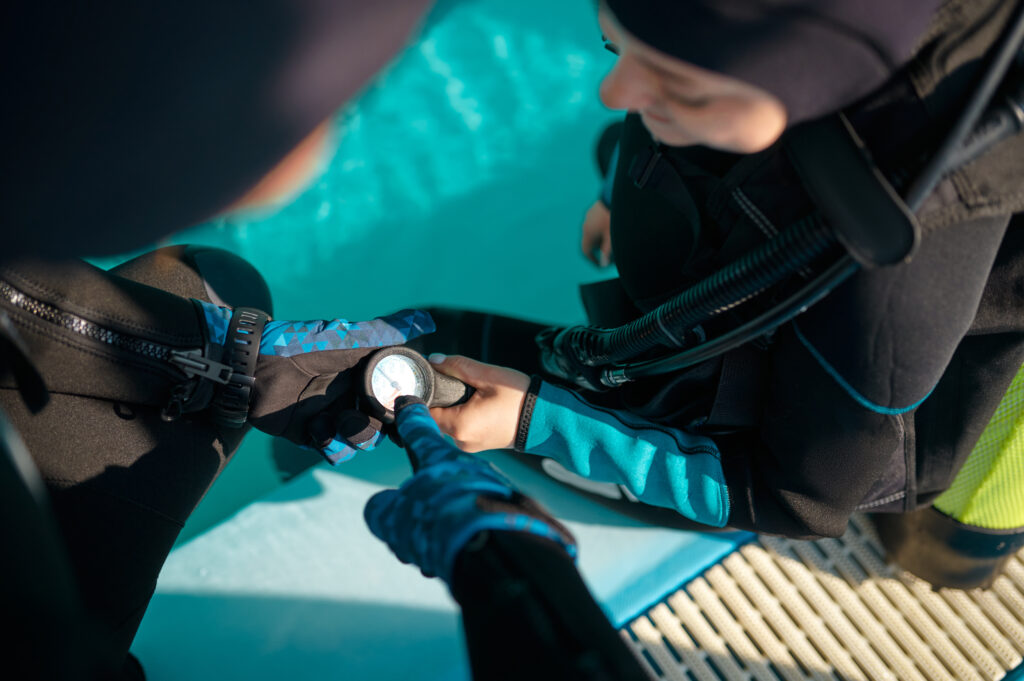
Mastering buoyancy avoids any accidental contact with corals or reefs. Adjusting weighting, using a precise buoyancy compensator, and controlling breathing reduce risks to marine ecosystems. A horizontal posture and careful equipment storage protect habitats.
Carrying a collection net allows you to pick up encountered waste and actively contribute to site conservation. Participating in awareness and protection actions strengthens the positive impact of each dive.
Respecting marine life by keeping a sufficient distance, avoiding touching animals, and observing stress signals promotes biodiversity preservation. Every responsible action protects the beauty of the underwater world for future generations.
In the Red Sea, committed dive centers have enabled the regeneration of several hectares of coral reefs thanks to the voluntary limitation of the number of divers and the systematic use of mooring buoys.
To protect underwater ecosystems, it is essential to choose a sunscreen respectful of marine environments for every dive and marine pollution: how to adopt eco-responsible practices to preserve reefs.
How Does Diver Training Influence Marine Conservation?
Thorough training raises divers’ awareness of the challenges of ecosystem preservation and the need to adopt respectful practices. Specialized modules include concepts on biodiversity, the impact of underwater actions, and the importance of coral protection. Enrolling in eco-responsible training programs helps acquire habits to limit pollution and preserve natural habitats.
Certification organizations offer courses focused on sustainable management of marine resources and the use of eco-friendly products. Divers trained to these standards apply practices that reduce their environmental impact. Continuing education ensures knowledge is updated and the adoption of innovative, more marine-friendly equipment.
Comparison of Eco-Responsible Training for Divers
| Organization | Objectives | Duration | Ecological Focus |
|---|---|---|---|
| PADI Eco Diver | Environmental Awareness | 1 day | Reef Protection |
| SSI Blue Oceans | Waste Management | 1 day | Pollution Reduction |
| Green Fins Workshop | Sustainable Practices | 2 days | Eco-friendly Equipment |
| Project AWARE | Marine Conservation | 2 days | Biodiversity Protection |
| FFESSM Eco-diving | Habitat Respect | 1 day | Site Management |
Role of Biodegradable Products in Pollution Reduction
The use of biodegradable products for equipment maintenance and personal hygiene limits chemical pollution in diving areas. These eco-friendly products naturally decompose without leaving harmful waste for marine fauna and flora. Adopting these solutions actively contributes to marine preservation.
Impact of Local Purchasing on Resource Preservation
Prioritizing the purchase of equipment from local suppliers promotes sustainable resource management and limits the carbon footprint related to transportation. Products from short supply chains are often made from durable or recycled materials, reinforcing divers’ environmental responsibility.
Divers’ Contribution to Environmental Awareness
Committed divers participate in awareness campaigns and share their experiences to encourage the adoption of responsible practices. Acting as ambassadors for marine protection inspires other enthusiasts to respect sites and support biodiversity conservation.
Evolution of Equipment Towards Recycled Alternatives
The transition to equipment made from recycled products reduces the consumption of virgin resources and encourages the circular economy. These technological innovations offer performance comparable to traditional products while minimizing environmental impact.
- Choose training focused on marine protection
- Use biodegradable products for maintenance
- Prioritize local and responsible purchasing
- Participate in awareness actions
- Opt for recycled or durable equipment
How Can Each Diver Become an Actor in Ocean Protection?
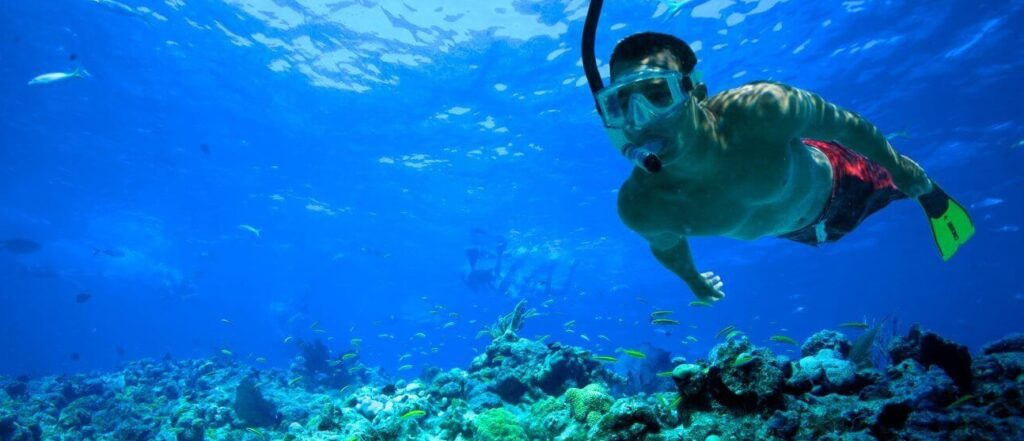
Adopting eco-friendly practices and learning about conservation issues makes every diver a true defender of biodiversity. By favoring durable equipment, limiting pollution, and supporting committed operators, each dive becomes an opportunity to preserve marine ecosystems and inspire other enthusiasts to follow this path.
The sea, once it has cast its spell, holds a soul in its net of wonder forever. — Jacques-Yves Cousteau
Frequently Asked Questions about Eco-Responsible Diving and Ocean Preservation
What simple actions can be taken during a dive to limit environmental impact?
In the field, make sure to control your buoyancy to avoid any contact with corals and marine life. Store your accessories properly, pick up any litter you encounter, and use only Reef Safe labeled sunscreens. These concrete actions make a real difference to the health of the reefs.
How to recognize a dive center truly committed to reef protection?
Check if the center holds recognized ecological labels, offers detailed environmental briefings, and systematically uses mooring buoys. Transparent dialogue about waste management and involvement in local conservation projects are also reliable indicators of genuine commitment.
Why prioritize recycled or second-hand equipment for diving?
Purchasing recycled or second-hand equipment helps reduce the extraction of new resources and limits waste production. This responsible approach supports the circular economy while providing divers with high-performance gear, perfectly suited to sustainable and respectful marine practice.
To deepen your knowledge about the preservation of marine ecosystems during your diving outings, discover how to adopt an eco-friendly practice to protect the reefs by consulting this guide dedicated to responsible diving and thus contribute to the sustainable protection of marine life.