Each dive leaves a mark, sometimes invisible, but very real on the seabeds and their biodiversity. Feeling the magic of a preserved reef, meeting the gaze of a turtle, or watching a ballet of multicolored fish all depend on responsible actions and constant attention to the environment. Faced with the rise of underwater tourism and the fragility of ecosystems, it becomes urgent to adopt sustainable practices to preserve these natural treasures. This itinerary, shaped by the experience of a passionate person who has lived on five continents, offers concrete and accessible actions for everyone, so that each dive becomes an act of preservation and an unforgettable memory.
How to master buoyancy to preserve the seabeds?
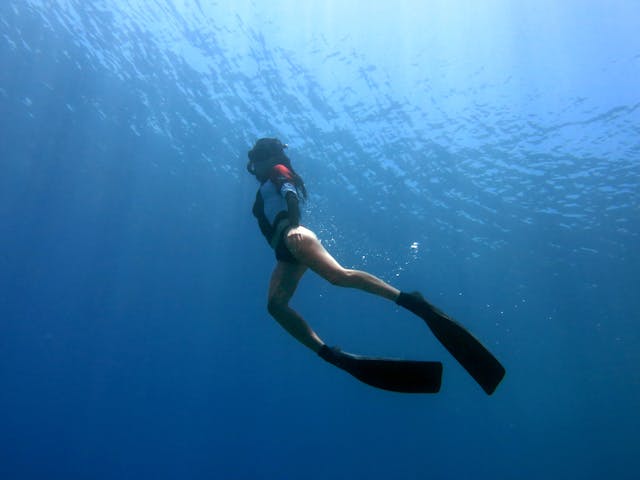
Mastered buoyancy guarantees the preservation of the seabeds and promotes the sustainability of each dive. Regular training in a pool or natural environment allows you to gain ease underwater. Adjusting the weighting reduces the impact on corals and wildlife.
Comparison of equipment promoting controlled buoyancy
| Equipment | Materials | Ecological Advantage | Durability |
|---|---|---|---|
| Buoyancy compensator | Textile recycling | Waste reduction | High |
| Fins | Recycled plastic | Environmental respect | Medium |
| Yulex wetsuit | Natural rubber | Responsible material management | High |
| Recycled silicone mask | Recycled silicone | Protection of ecosystems | Medium |
Well-managed buoyancy decreases air consumption, extends the dive, and promotes diver safety. Breathing deeply to ascend slightly, exhaling to descend gently, limits accidental contact with flora and fauna.
Adopting these simple gestures and choosing eco-responsible equipment limits pollution and contributes to the protection of the seabeds. Opting for products made from recycled or sustainable materials is part of a responsible approach.
Steps to master buoyancy
- Regular training in pool or sea
- Adjust weighting according to the wetsuit
- Control breathing while diving
- Use a suitable buoyancy compensator
- Careful observation of wildlife and corals
Why avoid any contact and disturbance of marine life?
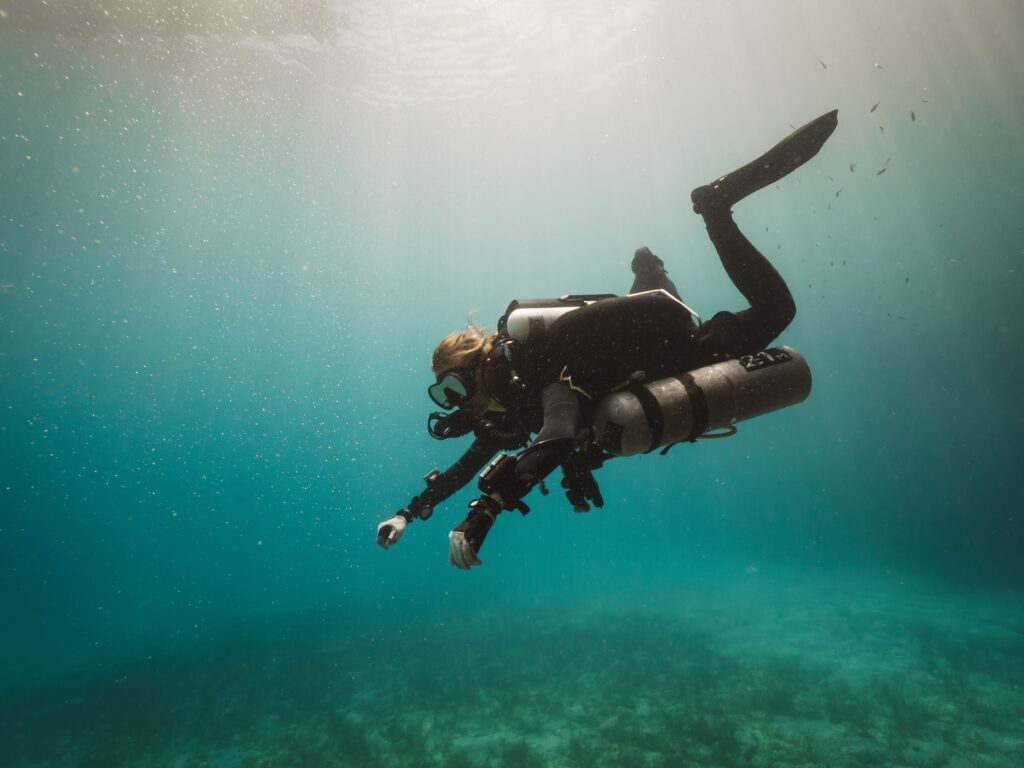
Respecting marine biodiversity means not touching or disturbing wildlife and corals. Maintaining a reasonable distance reduces the impact on fragile ecosystems. Moving slowly and avoiding feeding fish preserves their balance.
Collecting underwater souvenirs, even dead ones, deprives flora and fauna of essential elements for the conservation of their habitat. Using flash photography should remain exceptional to avoid causing stress to nocturnal species.
Adopting these respectful practices helps ensure the protection of the seabed and contributes to the preservation of biodiversity for future generations.
Rules to follow to respect marine life
- Respect: Keep a distance from animals
- Responsibility: Do not collect or move anything
- Awareness: Inform other divers
- Protection: Avoid feeding fish
- Preservation: Moderate the use of flash
Which equipment and products to prioritize to limit your environmental impact?
Selecting equipment made from recycled or natural materials reduces pollution and protects the seabed. Favor neoprene suits without toxins, fins, and masks made of recycled plastic to promote durability.
Using mineral sunscreens without nanoparticles, validated by recent studies, limits chemical pollution and helps conserve corals. Mesh bags for collecting underwater debris actively contribute to cleaning the oceans.
Choosing responsible practices and equipping oneself with recycled products is part of a sustainable management approach and the preservation of marine ecosystems.
How to choose a dive center committed to ocean protection?
Selecting a responsible dive center ensures a commitment to protecting the seabed and preserving biodiversity. Favor facilities that respect local regulations and limit the number of divers to optimize site management.
Some centers organize beach and seabed clean-up actions or participate in coral restoration. Find out about their ecological practices and their responsibility regarding marine conservation.
A committed center avoids harmful activities and raises awareness about preserving local ecosystems. This choice promotes the sustainability of underwater fauna and flora.
On Koh Tao island, a dive club has reintroduced more than 500 coral fragments in two years thanks to volunteer actions by locals and travelers.
To preserve the beauty of the oceans, it is essential to choose environmentally friendly sun protection, because sunscreen can be harmful to the seabed and compromise underwater biodiversity.
How to reduce plastic pollution while diving?
Limiting plastic pollution starts even before entering the water. Favor reusable accessories, such as stainless steel water bottles and airtight containers for snacks, to avoid waste dispersal at dive sites. Choosing clothing and transport bags made from recycled materials reduces single-use plastic production and promotes equipment durability.
Participating in locally organized clean-up sessions allows direct action for the preservation of the seabed. Collecting floating objects or those stuck in rocks helps protect underwater fauna and flora. This simple gesture, integrated into every dive, strengthens the commitment to a healthy and preserved environment.
Comparison of Eco-Friendly Alternatives for Divers
| Product | Material | Advantage | Lifespan |
|---|---|---|---|
| Stainless Steel Water Bottle | Stainless Steel | Plastic Reduction | Long |
| Mesh Bag | Recycled Polyester | Site Cleaning | Medium |
| Lunch Box | Bamboo | Environmental Respect | High |
| Beeswax Wrap | Organic Cotton | Practical Reuse | Medium |
| Textile Elastic | Natural Rubber | Marine Habitat Preservation | Long |
Individual Actions in Daily Life
Adopting simple eco-friendly habits, such as refusing straws and plastic bags, promotes a visible reduction in pollution. Using washable or compostable products for picnics on the beach fits into a continuous preservation logic.
The Impact of Microplastics on Biodiversity
Microplastics, often invisible, affect marine fauna and flora. Limiting cosmetic products containing microbeads and choosing clothing that does not release synthetic fibers reduces this impact on ecosystems.
The Role of Diving Clubs in Waste Management
Many clubs offer training on waste management and organize regular clean-ups. These initiatives strengthen divers’ awareness and encourage collective responsibility for site conservation.
Choosing Innovative Materials for Equipment
Opting for innovations such as natural neoprene wetsuits or bioplastic fins helps reduce fossil resource consumption. These choices support sustainability and minimize pollution generated by traditional manufacturing.
- Use a reusable water bottle
- Pick up one piece of trash on every dive
- Prefer compostable packaging
- Avoid cosmetics with microbeads
- Choose eco-friendly equipment
Why Does Adopting an Eco-Responsible Approach in Diving Transform the Experience?
Engaging in an eco-responsible approach changes the perception of the underwater world. Every action to protect marine habitats develops a stronger connection with biodiversity and wildlife. Divers become preservation actors, strengthening their commitment to the environment and the sustainability of the sites explored.
The sea, once it has cast its spell, always holds in its net of wonder those who dive into it. – Jacques-Yves Cousteau
Frequently Asked Questions About Sustainable Diving and Ocean Protection
How to raise awareness among your diving companions about marine ecology without seeming preachy?
Encourage dialogue by sharing your personal discoveries, your memorable experiences with wildlife and flora, and suggest simple actions to adopt together. Leading by example and explaining how your practice has evolved often inspires your companions to get involved naturally, without imposing rules.
Is it possible to reconcile underwater photography with respect for fragile species?
Adopt a discreet approach by limiting the use of flash, keeping a respectful distance, and avoiding any contact with the environment. Prioritize patience to capture authentic shots without disturbing the animals, and share your images to raise awareness of the beauty and fragility of marine ecosystems.
Can one really observe the positive impact of their actions during a responsible diving trip?
Tangible changes often appear quickly: reduction of visible waste, return of certain species, or testimonies from locals noting the site’s improvement. Participating in collective clean-ups or coral restoration offers immediate satisfaction and strengthens the sense of belonging to an engaged community.
To deepen your knowledge of best practices to adopt during your underwater explorations, discover how to embrace eco-responsible diving in order to preserve the richness of the seabed and the biodiversity that thrives there.