Faced with the fragile beauty of reefs and the threatened richness of the seabed, every diver feels growing concern about the effects of climate change. Experiencing the transformation of underwater ecosystems, observing coral bleaching or the scarcity of species, deeply disrupts the experience and evokes a sense of urgency. I lived this reality during extended stays on isolated islands as well as in renowned destinations, confronted with the degradation of sites once teeming with life. The question is no longer whether our practices should evolve, but how to act concretely to preserve biodiversity and the future of dive sites.
In this context, it is about analyzing the impacts of warming, identifying the solutions to implement, and sharing practical advice, in order to enable everyone to commit to preserving these underwater treasures.
How is climate change altering underwater ecosystems?
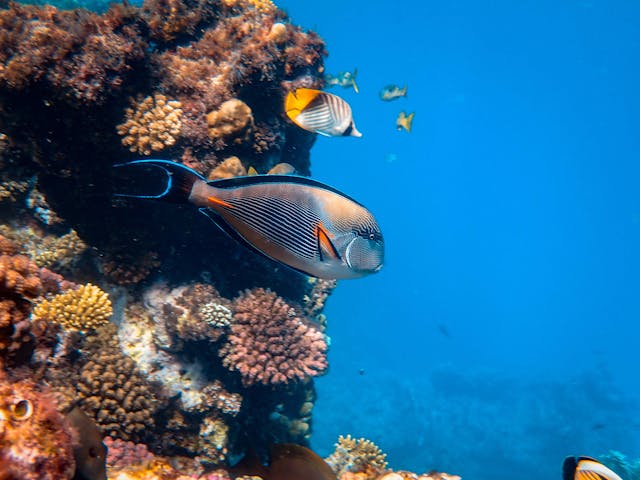
The rise in ocean temperatures causes rapid degradation of marine ecosystems. Ocean warming leads many species to migrate to cooler areas, thus disrupting the life cycle of many organisms. These changes directly affect biodiversity and habitat stability.
Corals undergo massive bleaching due to elevated temperatures, making their resources more vulnerable. This phenomenon reduces the capacity of these habitats to shelter a wide diversity of species. The degradation of reefs disrupts interactions in the food chain and weakens the resilience of marine environments.
Ocean acidification, linked to increased CO2, intensifies the fragility of shells and skeletons of mollusks and crustaceans. This disturbance impacts the entire food chain and the adaptive capacity of marine ecosystems. The consequences are visible on the overall health of the underwater environment.
The main effects of climate change on underwater ecosystems
- Temperature: Increase in water heat
- Acidification: Rise in absorbed CO2
- Deoxygenation: Decrease in dissolved oxygen
- Coral bleaching: Loss of color and life
- Species migration: Movement to new areas
- Habitat fragility: Increased vulnerability
How is diving affected by habitat degradation and biodiversity loss?
The degradation of dive sites manifests as a decrease in underwater visibility due to pollution and coral disappearance. This situation complicates explorations and limits biodiversity observations. Divers notice a decrease in the richness of species visible during dives.
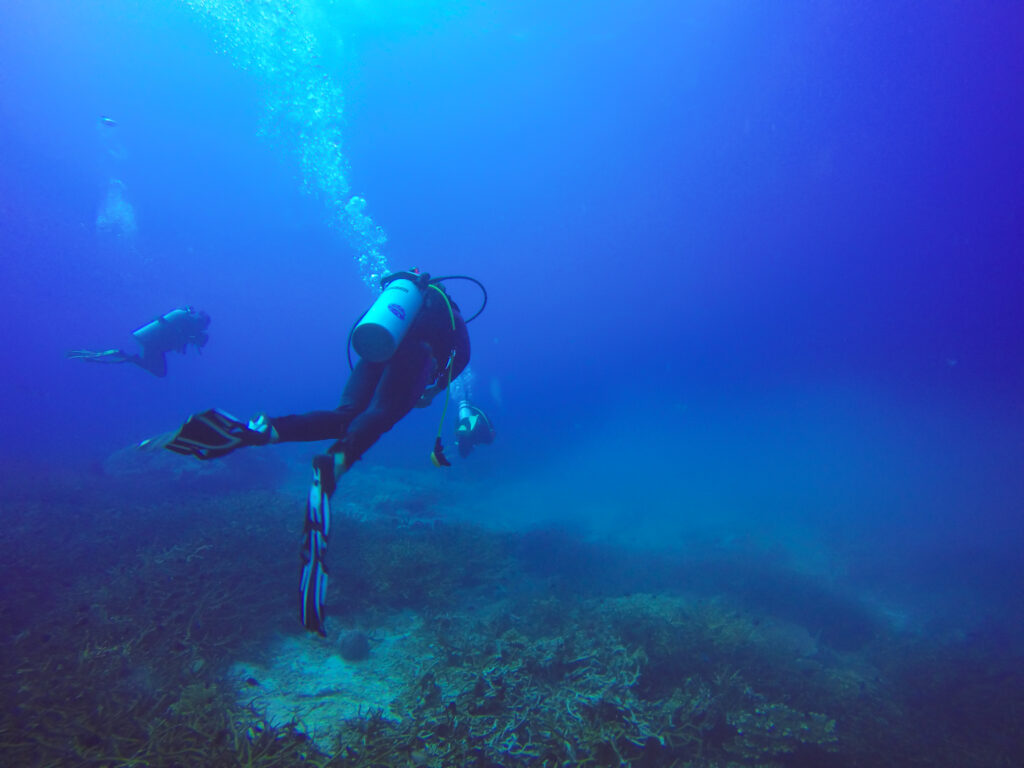
The loss of essential habitats such as seagrass beds and mangroves reduces the number of attractive sites for diving. The increased fragility of these resources makes ecosystems more sensitive to external pressures. The vulnerability of sites increases, which affects the safety and quality of dives.
The decline of marine populations changes the experiences during dives. Divers must adapt to more variable and sometimes unpredictable conditions. The disruption of ecosystems leads to changes in species behavior.
What are the consequences of acidification and pollution on marine life?
Ocean acidification weakens organisms with calcareous shells, such as mollusks and certain crustaceans, which are essential to the food chain. This fragility reduces the reproductive capacity and survival of many species, impacting the entire marine biodiversity. Divers notice a decrease in the diversity observed during explorations.
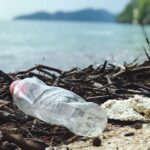
Plastic and chemical pollution increase with climate change, worsening ecosystem degradation. Waste harms the health of habitats and disrupts the life cycle of many organisms. The most affected areas become less attractive for diving.
The combination of acidification and pollution makes ecosystems more vulnerable to the impacts of ocean warming. The loss of resilience in marine environments limits their ability to regenerate. Divers and scientists observe rapid and visible changes in underwater landscapes.
Effects of acidification and pollution on marine biodiversity
- Fragility of shells: Threatened mollusks and crustaceans
- Loss of biodiversity: Reduction of species
- Plastic pollution: Persistent waste underwater
- Habitat disruption: Modification of living environments
- Decrease in resilience: Limited regeneration
What solutions exist to preserve underwater ecosystems in the face of climate change?
Conservation and the creation of marine protected areas help limit the pressure exerted on ecosystems. These initiatives promote the resilience of natural environments and provide refuges for many species. The restoration of degraded habitats contributes to strengthening the overall health of the marine environment.
Adapting diving practices and reducing pollution are major levers to preserve biodiversity. Raising divers’ awareness of good practices and encouraging scientific research on the impacts of climate change help better understand the challenges to be met. International cooperation proves essential to protect marine resources.
Ambitious policies aimed at limiting greenhouse gas emissions reduce ocean warming and support ecosystem resilience. Protecting corals and restoring coastal habitats improve the long-term adaptive capacity of marine environments. Collective efforts guarantee the preservation of underwater wealth for future generations.
In 2023, during an expedition in the Indian Ocean, divers observed for the first time the natural regrowth of corals on a reef protected for ten years.
Diving and climate change: what impacts on underwater ecosystems and biodiversity are important questions, especially when considering that the effects of sunscreen on the seabed can worsen the fragility of these environments.
How Does the Scarcity of Marine Resources Affect Diving and Underwater Life?
The gradual decline of marine resources disrupts access to diving sites renowned for their abundance of life. Divers notice a scarcity of certain iconic species, which changes the interest and diversity of observations. This evolution is explained by the increasing pressure on ecosystems and the overexploitation of fragile areas.
Faced with the increased fragility of underwater environments, site managers implement quotas and rest periods to allow regeneration. The vulnerability of ecosystems requires new conservation methods and regulation of water activities. Divers are encouraged to adopt respectful practices to limit their impact on the environment.
The Impact of Ocean Warming on Animal Migrations
Ocean warming alters the migratory routes of many marine species. Some leave their traditional habitats to join more temperate zones, causing disruption in ecological interactions. Divers witness changes in the composition of observed populations, revealing the ongoing adaptation of biodiversity.
Adapting Diving Practices to the Fragility of Environments
The fragility of ecosystems imposes new rules for diving. The use of ecological materials and the prohibition of touching corals become the norm. Diving clubs train practitioners in responsible actions to preserve underwater richness and maintain the resilience of visited sites.
Tourist Pressure and Ecosystem Balance
The influx of divers to popular sites increases pressure on local ecosystems. This sustained attendance can accelerate habitat degradation if not controlled. Managers implement measures to limit overcrowding and promote biodiversity conservation.
The Role of Scientific Research in Underwater Preservation
Researchers study species adaptation and ecosystem resilience in the face of climate change. Their work helps identify priority areas for conservation and develop effective strategies. Divers participate in data collection, contributing to a better understanding of environmental impacts.
- Evolution of accessible diving sites
- Implementation of quotas for preservation
- Training divers in eco-responsibility
- Prioritization of scientific research on marine fauna
- Development of marine protected areas
How to Act to Preserve Diving and Biodiversity in the Face of Climate Change?
Conserving marine ecosystems requires everyone’s commitment to reducing pollution and supporting the creation of protected areas. Adopting responsible diving practices and learning about the impacts of climate change promotes the preservation of underwater biodiversity. The future of exploration sites depends on the collective ability to respect the fragility of environments and encourage the adaptation of uses.
The sea, once it has cast its spell, always holds a part of our soul in its net of wonder. — Jacques-Yves Cousteau
FAQ on the Preservation and Future of Diving in the Face of Climate Change
What simple actions can you take to make your dives more responsible?
By choosing operators committed to marine protection, avoiding any contact with corals and species, and using environmentally friendly equipment, you help limit your impact. Also prefer destinations that support research and sustainable site management.
How can diving raise awareness about ocean preservation?
Diving allows you to directly discover the fragility of marine ecosystems. By sharing your experiences and participating in citizen science programs, you help collect data while raising awareness among other enthusiasts about the importance of a sustainable approach to underwater environments.
To better understand how scuba diving can adapt to current environmental challenges, discover on best practices for responsible diving advice to preserve marine ecosystems while enjoying the beauty of underwater landscapes.