Immersive experience, unforgettable encounters, and absolute respect for ecosystems mark every underwater adventure, where the preservation of endangered species becomes a shared commitment. The fragile beauty of the seabed requires every enthusiast to combine responsibility and best practices to limit human impact, avoid any disturbance, and ensure the survival of threatened natural treasures. Following regulations, staying informed, adopting sustainable management, and prioritizing collective awareness form the foundation of a respectful journey, where every action contributes to the conservation and transmission of biodiversity to future generations.
Why does regulation govern the observation of endangered species in diving?
Strict regulation protects marine mammals during diving in marine protected areas. The laws prohibit disturbance, capture, or approach closer than 100 meters for cetaceans and sirenians, in order to limit human impact on their vital behavior and reduce threats.
In the Agoa sanctuary, the approach distance extends to 300 meters to ensure the protection of species and their habitat. These measures aim to preserve biodiversity and ensure the sustainable conservation of marine ecosystems, while reminding divers of their responsibility.
The main management rules to follow
- Respect the minimum approach distance for any observation of marine wildlife
- Adopt a parallel trajectory and limit speed to 4 or 5 knots
- Avoid any direct interaction or intentional disturbance
- Stop observation if signs of disturbance appear
- Comply with swimming bans with mammals in certain areas
How do awareness and training promote species protection?

Diver awareness relies on training and certification to encourage the adoption of best practices. These programs emphasize respect for marine fauna and flora, ecosystem protection, and the preservation of endangered species.
Sustainable tourism organizations offer charters that promote responsible observation management, non-degradation of environments, and pollution control. Collective commitment to species protection strengthens conservation and the transmission of these natural riches to future generations.
Key awareness priorities
- Participate in specific marine protection training
- Inform yourself about local regulations before each dive
- Adopt best practices to limit environmental degradation
- Respect the natural habitat without touching or collecting
What behaviors should be adopted towards marine wildlife to limit impact?
The diver’s impact depends on their behavior underwater. Maintaining a safe distance, avoiding touching corals, and not feeding fish reduce disturbance to marine fauna and protect marine flora.
Individual responsibility is expressed through respect for species and ecosystems. Observing without interfering helps preserve the fragile balance of environments, limiting environmental degradation and promoting biodiversity conservation.
What are the current threats to marine ecosystems and how to prevent them
The threats to marine ecosystems include pollution, overfishing, climate change, and habitat degradation. These factors weaken marine fauna and flora, directly impacting species protection.
Adopting good diving practices and sustainable management of water activities help reduce these risks. Preserving biodiversity involves awareness, respecting regulations, and everyone’s involvement in ecosystem conservation.
How does sustainable tourism integrate into species protection in diving?
Sustainable tourism promotes respectful observation and reasoned management of natural sites. By collaborating with marine parks, diving professionals actively participate in species protection and biodiversity conservation.
Awareness initiatives and controls conducted by the OFB ensure compliance with regulations and supervision of interactions with threatened species. This approach helps enhance ecosystems and prevent environmental degradation.
During a dive in the Agoa sanctuary, a group of divers was able to observe a mother dolphin and her calf at the regulatory distance without causing a change in direction, illustrating the balance between observation and species protection.
To deepen your knowledge on ocean preservation during your underwater explorations, discover how practicing responsible diving allows you to admire threatened species without disturbing their natural habitat and contribute to marine biodiversity protection.
To preserve marine biodiversity during your diving outings and protect threatened species, it is essential to carefully choose a sunscreen respectful of marine environments so as not to disturb this fragile ecosystem.
What precautions should be taken to limit disturbance of marine habitats during diving
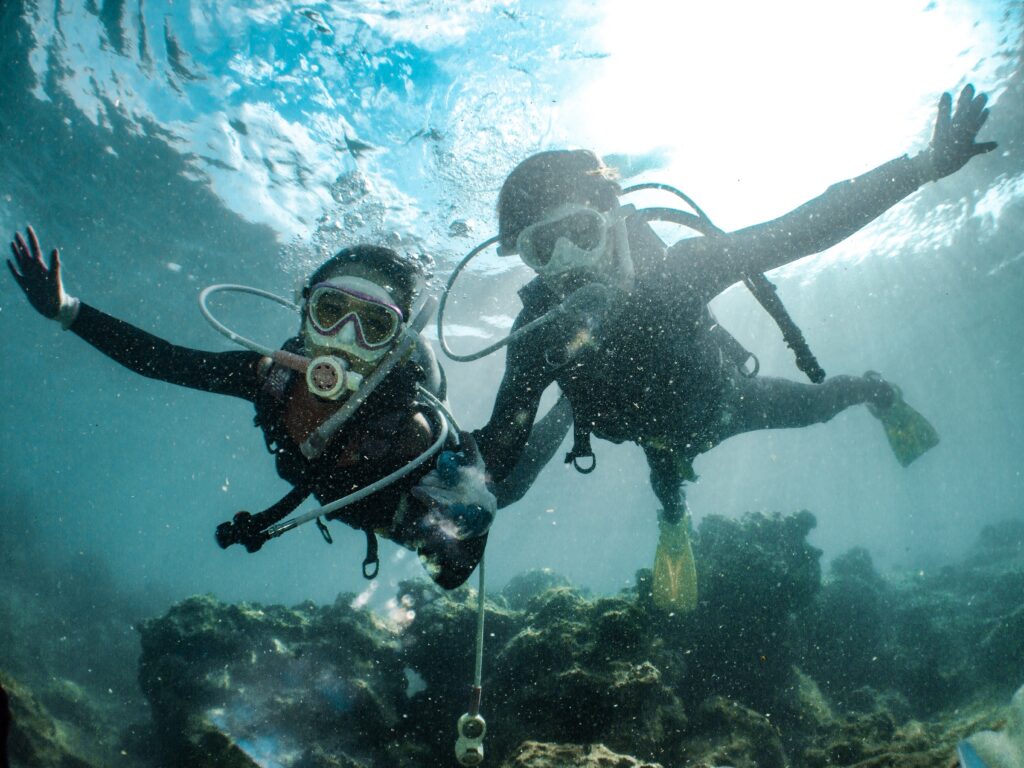
Respecting marine habitats requires particular attention to every movement underwater. Staying vigilant about the position of fins and equipment avoids any unintentional contact with corals or sensitive seabeds. Favoring controlled buoyancy reduces the risk of degradation and promotes the protection of fragile areas.
Observing wildlife from a distance ensures their natural behavior is not altered. Refraining from following or encircling an animal guarantees observation without disturbance. Preserving species’ tranquility contributes to biodiversity and the maintenance of local balances.
Avoiding the use of chemical products such as non-biodegradable sunscreens protects marine flora and limits water pollution. Choosing environmentally friendly equipment supports ecosystem conservation and sustainable management of diving sites.
The impact of underwater photography on threatened species
The use of flash or getting too close to capture images can cause significant disturbance. Taking the time to choose an angle without disturbing marine wildlife ensures respectful observation and limits negative effects on sensitive species.
The Role of Local Guides in Habitat Protection
Experienced guides share best practices and raise awareness about individual responsibility. Their in-depth knowledge of regulations and local species directs groups towards harmonious management of interactions, contributing to species protection and ecosystem preservation.
- Control buoyancy to avoid any contact with the seabed
- Use ecological and non-polluting equipment
- Respect the instructions of local guides
- Limit the use of flash in photography
- Observe without touching or feeding the wildlife
Why the Conservation of Threatened Species Also Depends on Waste Management at Sea
The presence of plastic waste and other debris in the sea represents a direct threat to marine wildlife. Animals can ingest or become entangled in this waste, compromising their survival and disrupting biodiversity. Participating in cleanup actions during dives actively contributes to species protection.
Adopting responsible waste management during every sea outing reduces pollution and promotes a healthy environment. Always taking your waste with you and raising awareness among other divers about this approach strengthens collective responsibility.
Supporting local initiatives to raise awareness about ocean protection encourages the creation of clean and preserved zones. The fight against environmental degradation involves simple, daily actions essential for the sustainable conservation of marine environments.
The Consequences of Microplastics on the Marine Food Chain
Microplastics integrate at the base of the food chain, affecting marine wildlife and, ultimately, human health. Their accumulation in marine organisms weakens biodiversity and amplifies the threat to vulnerable species.
Citizen Initiatives for a Waste-Free Sea
Associations and diving clubs regularly organize underwater cleanup operations. These awareness and protection actions mobilize divers around sustainable site management, promoting the preservation of marine wildlife and ecosystems.
- Collect floating waste during every dive
- Favor reusable products to limit packaging
- Support local cleanup campaigns
How Responsible Observation of Threatened Species Influences the Future of the Oceans
Adopting a respectful and informed approach during every underwater observation shapes ecosystem balance and ensures the protection of threatened species. Each diver contributes, through their choices and behavior, to biodiversity conservation and the transmission of a preserved natural heritage to future generations. Commitment to best practices and ongoing awareness guarantees sustainable, respectful, and enriching underwater tourism for all.
“The ocean is alive, every gesture counts to preserve its beauty and richness.”
FAQ Responsible Diving and Marine Biodiversity Preservation
How to choose a diving center committed to protecting endangered species?
Turn to organizations displaying environmental certifications or members of sustainable tourism networks. Prefer centers that train their teams in ecosystem preservation, apply ethical charters, and collaborate with local authorities to ensure responsible supervision of underwater activities.
What are the signs that marine wildlife is disturbed by the presence of divers?
An animal that flees, suddenly changes direction, or alters its usual behavior shows signs of disturbance. Adopting a discreet observer attitude, without insisting or pursuing the animal, helps limit any negative impact on its well-being and natural environment.
Can amateur divers contribute to scientific research?
Many citizen science programs gladly welcome observations and photographs taken during dives. By sharing your data with these initiatives, you support the knowledge and conservation of marine species while enriching your field experience.