Breathe in the salty air, feel the thrill of the deep blue, and let yourself be carried away by the promise of a horizon where every dive reveals the flip side of our lifestyles. Beneath the surface, microfibers and particles infiltrate your experiences, altering the purity of landscapes and influencing your sensations. Faced with the invisible pollution that seeps into water as well as air, it becomes urgent to understand how these fragments shape your health, your pleasure, and the future of marine wildlife. Through this story, you will grasp the origin of these debris, their concrete consequences on your daily life as a traveler and marine enthusiast, and then explore practical ways to preserve the magic of every underwater encounter.
What are the sources of microplastics present in the air and underwater?
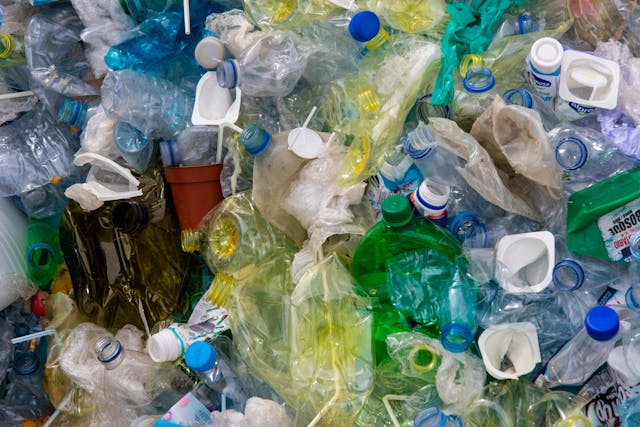
Microplastics come from many human activities. The maintenance of synthetic material clothing such as polyester releases microscopic fibers that enter the air and water. Friction on vehicle tires similarly produces plastic and rubber particles, carried over long distances by the wind. This pollution affects all areas, from cities to the open sea.
Main sources of microplastics
| Source | Type of microplastic | Origin | Impact area |
|---|---|---|---|
| Synthetic clothing | Textile microfibers | Domestic washing | Air and water |
| Vehicle tires | Rubber particles | Road friction | Air and urban soils |
| Plastic packaging | Polymer fragments | Degradation | Rivers and oceans |
| Furniture and indoor textiles | Synthetic fibers | Wear | Indoor air |
| Marine debris | Microplastics | Decomposition | Aquatic environments |
Atmospheric pollution by textile microfibers or particles from plastic degradation is observed in various environments. Polymers from everyday products and road infrastructures feed marine and air pollution. These debris are found underwater, visible during dives in coastal or deep areas.
Global pollution from microplastics knows no borders. Synthetic fibers travel through the atmosphere, crossing oceans and continents. Even in isolated regions, pollution by textile microfibers remains measurable, confirming the planetary reach of this phenomenon.
Examples of microplastic sources to watch
- Washing synthetic clothing
- Wear of tires and brakes
- Decomposition of plastic packaging
- Erosion of road coatings
- Fragmentation of marine debris
What are the health consequences for divers and coastal populations?
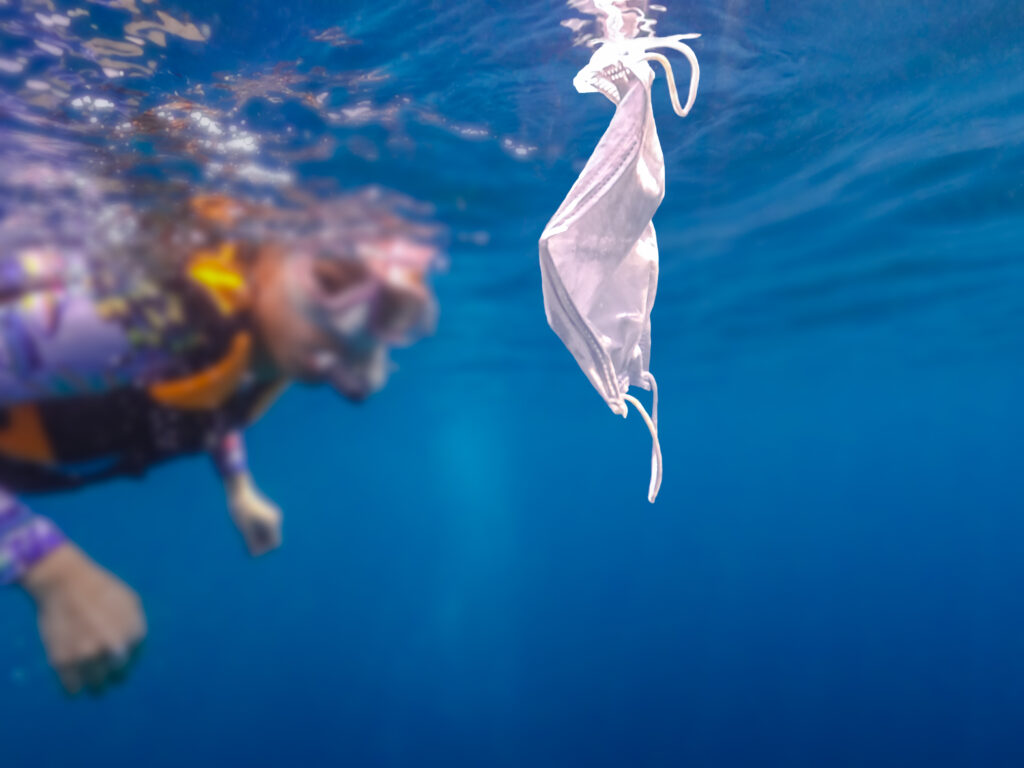
Inhaled or ingested microplastics carry pollutants such as PAHs, increasing the risks of respiratory and cardiovascular diseases. The particles penetrate the lungs and then the bloodstream, potentially reaching vital organs. Air pollution by microplastics manifests as irritations, breathing difficulties, and increased risks of cancers.
Fibers and particles from synthetic materials accumulate in homes and vehicles. Atmospheric microplastic pollution can reach high levels, especially in dense urban areas or poorly ventilated housing. Divers exposed to microplastics in the water face similar risks when breathing at the surface or through contaminated equipment.
Pollution by microfibers and microplastics in the air affects long-term health. Synthetic polymers adsorb toxic substances, worsening lung inflammation and chronic disorders. Regular contact with these debris multiplies effects on the immune system.
How do microplastics travel through the atmosphere and reach the oceans?
Microplastics travel thousands of kilometers thanks to air currents. Particles from tire wear or plastic decomposition are lifted by the wind and transported to polar seas or tropical zones. This phenomenon makes atmospheric microplastic pollution omnipresent, even far from urban centers.
Microplastic pollution in the environment intensifies during seasonal climate oscillations. Winter and spring favor the dispersion of microfibers and particles towards the North Atlantic or the Arctic. Studies show that high concentrations of microplastics are detected even in the most remote regions.
Pollution by synthetic fibers and debris is also observed during dives near the coasts or offshore. Microplastics carry other pollutants, increasing microplastic pollution in the water and endangering marine wildlife and underwater ecosystems.
Means of transport of microplastics in air and water
- Long-distance atmospheric transport
- Deposition on surfaces and washing off by rain
- Washing of urban soils into rivers
- Dispersion by ocean currents
What solutions exist to limit exposure and spread of microplastics during diving?
Reducing microplastic pollution involves adopting alternative materials such as glass or steel, and choosing clothing without synthetic fibers. Favoring durable and well-maintained equipment reduces microfiber release during water and diving activities. Efficient air purifiers limit particle inhalation in enclosed spaces.
Microplastic pollution in the environment is also reduced through collective actions. Sorting and recycling plastic waste, avoiding single-use products, supporting local cleanup initiatives all help to curb plastic pollution and the degradation of marine ecosystems.
By acting on the sources of pollution from synthetic materials and adopting responsible behaviors, each diver or traveler limits the spread of microplastics. Innovations in textiles and infrastructure offer new avenues to protect air and water during underwater adventures.
Concrete actions to limit microplastic pollution
- Increased recycling: Sorting and recovering used plastics
- Alternative materials: Favoring glass, steel, cotton
- Durable equipment: Choosing resistant diving gear
- Regular maintenance: Cleaning and replacing air purifier filters
- Local participation: Supporting waste collection on beaches
A group of Norwegian divers discovered during an underwater expedition near Svalbard fragments of plastic bags embedded in the ice, confirming the presence of microplastics up to the edges of the Arctic.
During your underwater explorations, it is essential to be aware that sunscreen can have harmful effects on the seabed just as much as the microplastics you may encounter during your dives.
How do microplastics alter the sensory experience during diving?
Observation of the seabed reveals the increasing presence of microplastics in aquatic ecosystems. Divers notice floating residues or deposits on corals, altering the visual perception of underwater landscapes. This accumulation of particles makes some sites less authentic and influences the quality of explorations, especially in frequented areas. Colored fibers and fragments can blend with fauna, disrupting species identification and underwater photography.
Microplastic pollution also impacts respiratory sensations. While breathing at the surface, fine suspended particles can be inhaled, especially near ports or river mouths. Divers sometimes experience an unusual taste or smell, indicators of the presence of microplastics in the ambient air or water. This modification of the sensory environment invites a rethink of the diving approach and favors sites less exposed to pollution.
Examples of sensory impacts related to microplastics
| Sensory effect | Main cause | Consequence for the diver |
|---|---|---|
| Presence of visible particles | Plastic degradation | Alteration of the underwater landscape |
| Unusual taste or smell | Microplastics in the water | Respiratory discomfort |
| Reduced visibility | Suspension of fibers and debris | Reduction of water clarity |
| Confusion with fauna | Colored fragments | Species misidentification |
| Contact with skin | Synthetic fibers in suspension | Tickling sensation |
Influence on observed biodiversity
The accumulation of microplastics modifies the composition of marine habitats. Some fish and invertebrates accidentally consume these particles, which can affect the visible food chain during dives. Divers sometimes notice changes in animal behavior, a direct consequence of this pollution.
Variations according to diving destinations
Sites located near large cities often have a higher rate of microplastic pollution in the water. Conversely, some isolated marine reserves show a lower presence of microfibers, offering a more preserved experience. The choice of destination therefore influences the quality of underwater exploration.
Role of Diving Clubs in Awareness
Many diving centers incorporate the issue of plastic pollution into their briefings and training sessions. Guides raise divers’ awareness about observing debris and the need to adopt responsible behaviors to limit microplastic pollution in the environment.
Evolution of Diving Equipment
Manufacturers are developing suits and accessories designed to limit the release of fibers and particles during dives. The use of innovative materials reduces microfiber pollution and improves the durability of equipment, thus meeting the expectations of divers concerned with preserving their environment.
- Choose dive sites far from urban areas
- Use equipment certified for low microfiber emission
- Participate in underwater cleanup actions
- Favor clubs committed to environmental protection
- Avoid synthetic clothing before and after diving
How to Anticipate the Evolution of Microplastic Pollution for Future Generations of Divers?
Managing microplastic pollution represents a collective challenge to preserve the oceans and guarantee authentic experiences for future divers. Innovations in wastewater treatment, reduction of synthetic materials, and environmental education are essential levers to limit the spread of particles in the air and water. Staying informed about scientific advances and supporting local initiatives allows active contribution to the fight against pollution, while preparing underwater adventures that are more respectful of ecosystems.
The ocean begins beneath your fins.
FAQ: Microplastics and Diving, Answers to Your Most Frequent Questions
Are microplastics visible during all dives, even in sites considered pristine?
The visibility of microplastics strongly depends on the location and environmental conditions of the dive site. Even in remote marine reserves, the presence of tiny fragments or fibers can be surprising. Some particles are so fine that they escape the naked eye, but their impact remains very real, both on local wildlife and on the sensory experience of divers. Very isolated sites often offer better water clarity, but no region is completely spared due to the global dispersion of microplastics.
What quick actions can be taken before a dive to reduce exposure to microplastics?
Favoring natural clothing before and after immersion, checking the condition of your equipment, and carefully rinsing your gear with clean water are among effective reflexes. Regular maintenance of the mask and regulator also limits the presence of residues. Choosing clubs that implement cleaning protocols and raise awareness among their members can contribute to a healthier and more environmentally respectful underwater experience.
If you want to deepen your knowledge about the impacts of pollution in the oceans and discover how divers can act to preserve marine wildlife, consult our dedicated article on best eco-friendly diving practices which will provide you with advice suitable for all levels.