
Between the Aegean Sea and the Turkish border, Alexandroúpoli intrigues with its discreet charm and rich history. If you aspire to live an authentic experience, far from crowded circuits, you probably feel the need to escape mass tourism and connect with a living culture. The diversity of influences, the strength of the heritage, and the presence of preserved landscapes create a setting conducive to wonder and reflection.
However, it is not always easy to navigate the multiple facets of this unique city: how to fully enjoy its assets, understand its specificities, and choose the best experiences? By sharing a personal vision, nourished by extended stays and memorable encounters, I propose to address the key points to succeed in your trip, highlighting the history, emblematic places, and practical advice for a respectful and enriching immersion.
Where is Alexandroúpoli located and what are its main geographical assets?
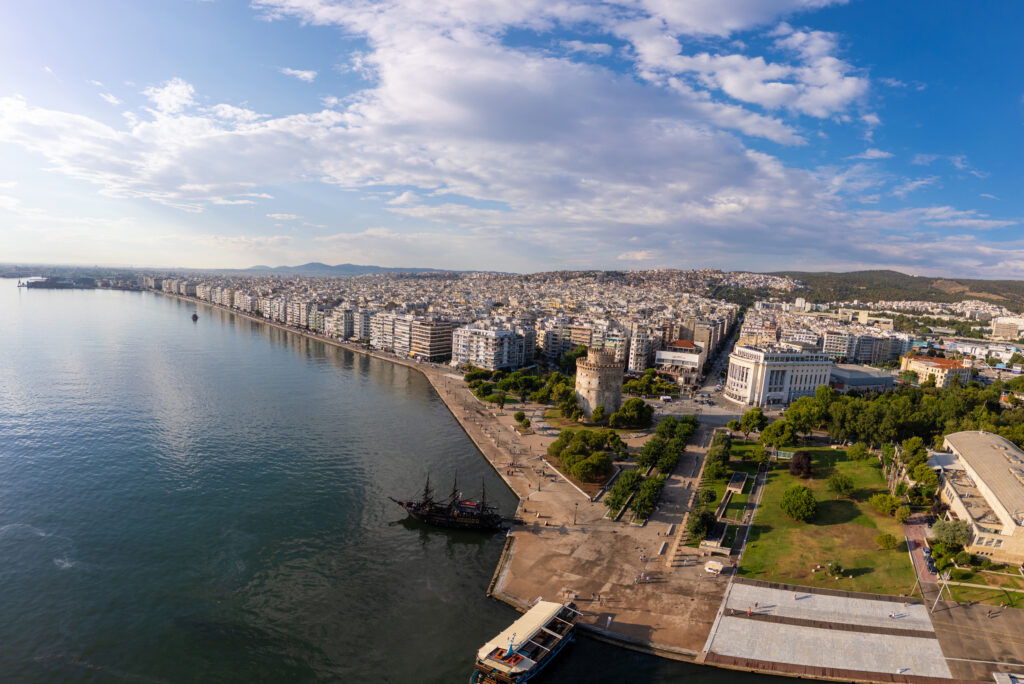
Alexandroúpoli occupies a key location in the region of Eastern Macedonia and Thrace. The city lies on the edge of the Aegean Sea, at an altitude of 11 meters, and covers an area of 1,217 square kilometers. Its proximity to the Turkish border, only 40 kilometers to the east, gives it a strategic role in modern Greek history.
The population exceeds 66,000 inhabitants, with a density of 54.33 inhabitants per square kilometer. This city is also 346 kilometers from Thessaloniki, which promotes regional exchanges. The urban infrastructure was shaped by a grid plan, implemented after the Russian occupation in the 19th century, which modernized the old Ottoman alleys.
The city benefits from direct access to the sea, which allowed the development of a major port, essential for commercial exchanges and connections with neighboring islands. The coastal landscapes also offer beaches appreciated by visitors, ideal for a seaside trip.
Key points of Alexandroúpoli’s location
- Immediate proximity to the Turkish border
- Location on the Aegean Sea
- Central role in the Western Thrace region
- Extensive area since the 2011 reform
- Low altitude facilitating port access
How has the history of Alexandroúpoli shaped its current identity?
The history of Alexandroúpoli is marked by successive periods of occupation, alternating between Ottoman, Bulgarian, Russian, and Greek domination. Founded by fishermen from Samothrace, the city saw its destiny change several times, notably during the Russo-Turkish War of 1877 and through various international treaties. Each war and change of sovereignty left a lasting imprint on the urban planning and local culture.
The city was a nerve center during the Balkan conflicts, and then during World War II with the German occupation. The final integration into Greece contributed to the stability and development of Alexandroupoli, which was renamed in honor of King Alexander I. The cultural diversity and architectural influences bear witness to this turbulent past.
Many monuments illustrate this historical richness, including the iconic lighthouse built in 1850, a symbol of the city and a landmark for sailors. Local museums, such as the ethnological museum and the history museum, allow for a deeper exploration of this fascinating history.
The major historical milestones of Alexandroupoli
- Foundation as a fishing port
- Development under Ottoman occupation
- Urban transformation by the Russians
- Alternation of sovereignty between Bulgaria and Greece
- Confirmation by the Treaty of Lausanne
- Marked by World War II
What are the main means of transport and infrastructures in Alexandroupoli?
The city has a diverse transport network that facilitates access from major Greek cities and neighboring countries. The Egnatia motorway crosses the region and connects the port of Igoumenitsa to the Turkish border, offering a fast and modern route. The railway has reached the city since 1874, strengthening its role as a regional hub.
The Alessandropoli Porto station serves lines to Thessaloniki and Dikaia, facilitating domestic travel. The seaport is the most important east of Thessaloniki, with a ferry connection to the island of Samothrace, highly prized for its natural landscapes. The Alexandroupoli-Dimokritos airport, located 6 kilometers from the city center, offers domestic and international flights.
Modern infrastructures also include educational and cultural facilities such as museums, sports centers, and venues for international events, enhancing the city’s attractiveness for travel and extended stays.
What experiences and accommodations to prioritize during a stay in Alexandroupoli?
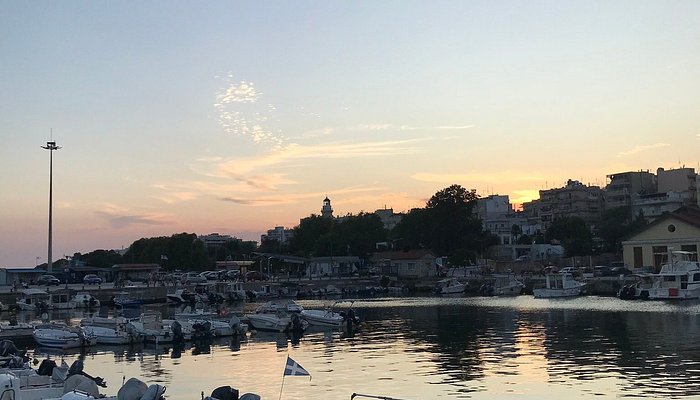
For a successful trip, Alexandroupoli offers several hotels with varied styles, from modern comfort to charming establishments with a view of the beach. The port is a central point for organizing boat rentals or excursions to the islands. Booking in advance often allows benefiting from a high average rating on specialized platforms.
The city offers a wide range of activities, from discovering historical monuments to relaxing on fine sandy beaches. Local restaurants highlight the region’s gastronomy, with fresh products from the sea and the land. Museums and galleries enrich the cultural experience, while nightlife enlivens the city center.
Visitors also appreciate the sports facilities, notably the Ethnikos volleyball club which competes at the highest Greek level. Seasonal rental options allow exploring the region freely, enjoying an excellent average customer satisfaction.
Experiences and accommodations to prioritize
- Hotels varied from downtown to the beach
- Boat rentals and water activities
- Visit of monuments and museums
- Discovery of local gastronomy
- Participation in sporting events
- Walks on the port and the seafront
In 1920, the city was renamed Alexandroúpoli after the visit of King Alexander I, marking its official integration into Greece.
Quiz: Discover Alexandroúpoli, the strategic city between the Aegean Sea and the Turkish border
1. Where is the city of Alexandroúpoli mainly located?
2. What is one of Alexandroúpoli’s main geographical assets?
3. What historical influence marked the development of Alexandroúpoli?
4. Which emblematic monument testifies to Alexandroúpoli’s maritime history?
5. What is the most important means of transport to connect Alexandroúpoli to Thessaloniki?
The road via the Egnatia highway
What cultural and natural discoveries can you expect during a stay in Alexandroúpoli?
The city of Alexandroúpoli reveals a range of experiences between heritage and nature. Visitors can explore cultural sites, including the ecclesiastical art museum, which displays Byzantine icons and rare liturgical objects. The region also houses historic churches, witnesses to the religious influence on the territory. Annual festivals, such as the wine festival or traditional dance events, offer an immersion into local customs and promote encounters with the inhabitants.
The Evros Delta National Park, located nearby, is a hotspot of biodiversity. This protected site attracts birdwatching and hiking enthusiasts, thanks to its marked trails and observation points. The marshes and lagoons shelter hundreds of migratory bird species, making the delta a unique space to discover the natural richness of the region. The wild, little-frequented beaches allow visitors to enjoy a preserved environment and a variety of water activities.
Gastronomy and Local Specialties
The city stands out for a gastronomy influenced by the sea and the proximity of borders. Restaurants offer dishes based on fresh fish, lamb, and local vegetables. Local markets abound with artisanal products, such as feta cheese, honey, and Thracian wines. Seafood specialties, like grilled calamari or saganaki mussels, attract gourmets seeking authenticity.
Beaches and Seaside Activities
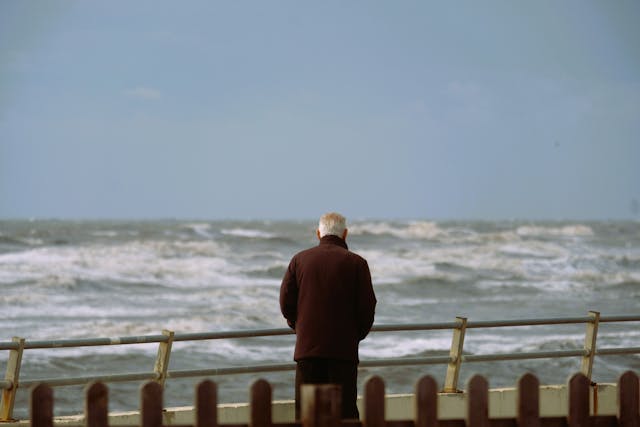
The beaches of Alexandroupoli stretch over several kilometers of fine sand. The shallow waters are suitable for swimming and paddleboarding. Nautical clubs offer equipment rentals for diving, windsurfing, or kayaking. Visitors appreciate the tranquility of the beaches outside peak periods. Designated areas allow enjoying the coastline safely.
Events and Nightlife
The city comes alive in the evening with its bars, cafés, and taverns by the sea. Traditional festivals mark the calendar, notably the port festival and the summer all-night event. Open-air concerts and folk performances create a warm atmosphere. Establishments welcome both travelers and locals, fostering cultural exchanges and the discovery of Greek conviviality.
Explorations Around Alexandroupoli
Several excursions are accessible from the city. Visiting the Makri peninsula offers panoramas of the Aegean Sea and prehistoric caves. The village of Feres and its Byzantine monastery provide a cultural stop. Nature lovers can head to the Rhodope mountains for high-altitude hikes. Scenic routes reveal contrasting landscapes between sea, forest, and plain.
- Discovering the ethnological museum
- Birdwatching at the Evros delta
- Excursion to the Makri peninsula
- Tasting local specialties in taverns
- Walk along the seaside promenade
Why Does Alexandroupoli Attract Travelers Seeking Authenticity and Diversity?
Alexandroupoli combines living heritage, preserved nature, and local hospitality. Visitors discover a territory at the crossroads of influences, where the modern city coexists with age-old traditions. Tourist infrastructures allow fully enjoying the stay, with a varied offer of accommodations and activities. This mix attracts those who wish to explore an unknown region while benefiting from an authentic setting and enriching experiences.
Frequently Asked Questions to Prepare Your Stay in Alexandroupoli
How to fully enjoy meeting the inhabitants of Alexandroupoli?
Immerse yourself in local life by favoring markets, family taverns, and cultural events. The locals are open and warm, especially during celebrations or festivals. Start a conversation around a traditional dish or participate in a cooking workshop to discover the generosity of this Greek hospitality.
What advice for exploring the region beyond the city independently?
Opt for renting a car or a bike to move freely towards neighboring villages, the Evros delta, or wild beaches. Prepare your routes in advance, taking into account distances and scenic coastal roads. Venturing off the beaten path allows you to discover untouched landscapes and interact with inhabitants far from classic tourism.
Located between the Aegean Sea and the Turkish border, Alexandroupoli captivates with its fascinating history, remarkable monuments, and strategic port, and if you wish to discover other iconic coastal destinations to explore, feel free to consult this comprehensive guide on the most beautiful diving spots to enrich your upcoming adventures.
Related posts:
 Trip to Saint Martin immersion between paradisiacal beaches and unique Franco-Dutch culture
 Weather and temperatures in Tenerife in February between mild climate and ideal sunshine
 What to do in Jakarta to explore its neighborhoods, museums, monuments, and experience a unique cultural adventure
 Roses Spain between beaches, coves, and exceptional heritage on the Mediterranean bay of the Costa Brava