
Do you feel that need for freedom and adventure that pushes you to leave the usual comfort to live an experience in the great outdoors? Iceland, with its raw landscapes and unique lights, attracts those who want to break free from classic itineraries and taste life in the open air. However, organizing camping on this wild island raises many challenges: unpredictable weather, strict regulations, choosing the right equipment, and managing the budget.
To turn this dream into reality, you must anticipate every detail, from selecting the gear to planning the stages, while staying attentive to local specifics. This journey requires rigor and adaptability, but it promises unforgettable memories and a deep connection with the Icelandic environment. Follow practical advice and feedback from an experienced traveler to make your tent stay a total success.
Why choose camping in Iceland to explore the country?
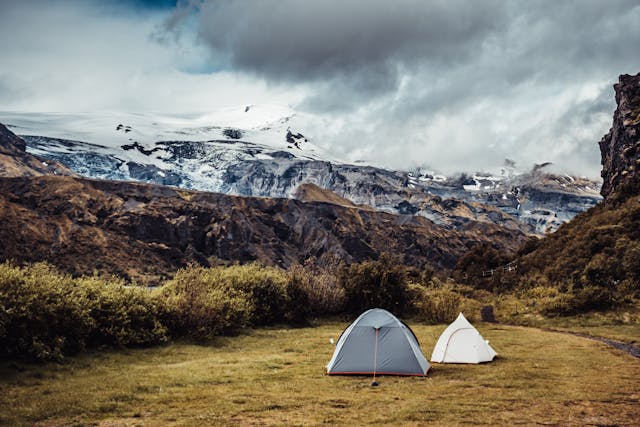
Camping in Iceland stands out as an economical solution to explore this country with wild landscapes. Staying in a tent or car allows you to reduce the cost of the trip while enjoying total immersion in nature. Campsites are mainly located along Route 1, offering direct access to spectacular sites and great flexibility in organizing your stay.
Choosing this type of accommodation opens the door to an experience in the heart of nature and promotes freedom of movement. Most campsites offer the essentials: toilets, drinking water, sometimes showers and common areas, for simple but effective comfort. The ideal season extends from June to the end of August, guaranteeing bright nights and temperatures favorable for camping.
Advantages of camping compared to other accommodations
- Economical: Significant reduction in accommodation budget
- In nature: Immersion in Icelandic landscapes
- Freedom: Flexibility in itinerary and stops
- Authentic experience: Direct contact with the environment
- Value for money: Facilities adapted to campers’ needs
What equipment to prepare for safe camping in Iceland?
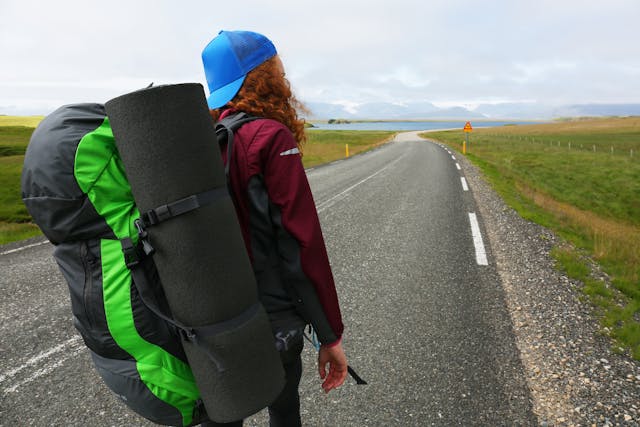
Preparing the gear is a key point to succeed in camping in Iceland. A wind-resistant tent, a comfortable mattress, and a sleeping bag suitable for temperatures between 0 and 5°C are essential. Choosing robust equipment ensures restful nights despite sometimes changing conditions.
A gas stove, an LED lamp, a first aid kit, and kitchen accessories complete the list. It is advisable to bring warm clothes, gloves, a hat, as well as a swimsuit to enjoy the hot springs. The choice of equipment must take into account the season and the region visited, especially in high mountains.
Essential equipment list for camping in Iceland
- Wind and rain resistant tent
- Self-inflating or inflatable mattress
- Sleeping bag suitable for cold weather
- Gas stove and cookware
- Headlamp or LED lamp with batteries
- Complete first aid kit
What are the best campgrounds and services offered in Iceland?
Campgrounds stand out for their diversity, ranging from very basic sites with toilets and drinking water to more modern facilities with paid showers, covered kitchens, and sometimes WiFi. The campgrounds in Hella, Vik, Akureyri, or Ísafjörður are known for the quality of their facilities and the beauty of their surroundings.
Some campgrounds also offer shelters or cottages for those who want more comfortable accommodation, as well as campervans for total freedom. Purchasing the Campingcard.is card facilitates access to many sites for a single price, while most campgrounds do not require prior reservation.
Services frequently available in Icelandic campgrounds
- Toilets and drinking water
- Paid showers
- Covered kitchens or shelters
- WiFi and electrical outlets
- Optional shelters and cottages
How to organize your itinerary and optimize your camping budget?
Using a campground map or GPS allows you to efficiently plan your trip in Iceland. Most sites are open from June to the end of August, with some extending the season until September. Renting a campervan offers a practical alternative to explore remote regions with complete freedom.
To optimize expenses, it is recommended to buy food in France and favor products that are easy to cook outdoors. Guides like Le Routard or Lonely Planet provide reliable information to select the best campgrounds, while the Campingcard.is card allows substantial savings on nightly rates.
Tips to reduce your budget and plan efficiently
- Use the Campingcard.is card
- Plan according to the season and campground openings
- Choose a campervan for more flexibility
- Prepare food before departure
- Consult specialized guides
What are the rules and alternatives to traditional camping in Iceland?
Wild camping is highly regulated in Iceland. It is prohibited in national parks, nature reserves, and on private property without authorization. Only high mountain areas allow tent camping in the wild with respect for the environment. Sleeping in a car or campervan is possible, provided local rules and weather conditions are respected.
Other accommodation options include hotels, youth hostels, guesthouses, but camping remains the preferred choice to enjoy nature and control your budget. Some sites remain open year-round, making winter camping possible in more isolated or cold regions.
During a trip to Iceland, it is common to observe the midnight sun in summer from a tent pitched facing a lava field or a natural hot spring.
Quiz: Discover Iceland by Camping!
Which season is ideal for camping in Iceland to enjoy bright nights and pleasant temperatures?
What equipment is essential for camping safely in Iceland?
Which area is generally regulated for wild camping in Iceland?
What is the main advantage of camping in Iceland compared to other accommodations?
What time of year allows you to enjoy the midnight sun while camping in Iceland?
To best prepare your stay in the great outdoors, you can consult this detailed guide on camping in Iceland which offers many tips for living an authentic and economical experience.
How to Choose the Best Spot for Camping in Iceland?
The choice of a campsite greatly influences the success of the camping experience. Prioritizing a site sheltered from the wind, close to a water source, and with easy access to toilets optimizes comfort. Some campsites offer dedicated spaces for tents, cars, or camper vans, ensuring better organization and more tranquility.
The proximity to natural attractions such as waterfalls, glaciers, or hot springs allows you to fully enjoy Icelandic nature. A campsite located away from major roads offers more freedom and total immersion in nature. Sites near Reykjavik facilitate logistics for the first and last days of the trip.
Checking for essential services such as showers, electrical outlets, and shelter for cooking proves useful, especially in case of changing weather. An insulating mattress and a high-performance sleeping bag ensure comfortable nights, even on volcanic ground. Icelandic campsites often offer common areas that encourage interaction among travelers.
The Specificities of Campsites in the Highlands
The campsites in the Icelandic highlands, accessible only by 4×4, offer a unique experience in the heart of nature. The facilities there are more rudimentary, often limited to dry toilets and a water point. Bringing a gas stove and all necessary equipment is essential to ensure autonomy in these remote areas.
Tips for Camping Near Major Tourist Sites
Camping near iconic sites such as the Golden Circle or the Jökulsárlón lagoon allows access to attractions early or late, away from the crowds. Booking a spot at these campsites is wise during the summer season. Planning your itinerary promotes the discovery of the most beautiful landscapes while enjoying good value for money on the price of nights.
- Choose a site sheltered from the wind
- Check access to drinking water and toilets
- Prefer proximity to natural sites
- Consider logistics for arrival and departure
- Book for highly sought-after locations
What is the Best Time to Camp in Iceland and Enjoy Nature
The period from June to August offers clear nights and milder temperatures, ideal for camping in Iceland. The almost permanent light of the midnight sun allows for extended days of exploration in the great outdoors. This season guarantees the opening of most campsites and the accessibility of roads, even in high mountains.
Spring and autumn attract those seeking tranquility, with fewer visitors at sites and often more attractive prices. The colors of nature change, offering different landscapes and the possibility to observe the northern lights from the end of August. Bringing a warmer sleeping bag and equipment adapted to dropping temperatures then becomes essential.
Winter attracts travelers looking for unusual experiences, notably camping under the snow or watching the northern lights. Some campsites remain open around Reykjavik and in the south of the country, but require specific equipment to ensure safety and comfort outdoors.
Preparing Your Equipment According to the Season
Adapting your equipment to the season optimizes comfort and safety. In summer, favor breathable clothing and an insulating mattress. For winter, investing in a cold-weather sleeping bag and a high-performance stove becomes essential.
Anticipate the Weather and Road Conditions
The weather changes quickly in Iceland. Checking forecasts daily and preparing a flexible itinerary allows adaptation to conditions. In a campervan or car, checking road conditions and campsite availability remains a useful precaution.
- Favor the June-August period
- Plan equipment suitable for the season
- Check the weather regularly
- Opt for sites open year-round if needed
How Does Camping in Iceland Transform the Traveler’s Experience
Choosing camping in Iceland offers a total immersion in the heart of Icelandic landscapes, far from the beaten paths. Direct contact with nature and freedom of movement transform the relationship to travel, allowing you to live each stage at your own pace and adapt to the unexpected. The camping experience creates unique memories and often sparks the desire to explore other horizons again.
Practical FAQ to Experience Camping in Iceland Like a Savvy Traveler
How to manage unpredictable weather during a camping trip in Iceland?
Icelandic weather often holds surprises, quickly shifting from sun to rain or wind. Always bring a sturdy tent, waterproof clothing, and a plan B for your routes. Check local weather reports every morning and adjust your movements if necessary to fully enjoy each stage without inconvenience.
Is it easy to meet other travelers or locals in Icelandic campsites?
Common areas in campsites, such as covered kitchens or shelters, naturally encourage exchanges. It’s not uncommon to share tips, anecdotes, or itineraries over an impromptu meal. Some campsites near natural sites also attract Icelandic families on vacation, providing an opportunity to learn more about the local culture.
What precautions should be taken to respect nature and the environment in Iceland?
Iceland remains fragile, especially in its wild areas. Use exclusively the designated camping spots, take all your waste with you, and avoid picking local vegetation. Respecting these simple rules helps preserve the beauty of the landscapes for future generations and maintains the warm welcome reserved for responsible campers.
Related posts:
 Villa Comporta alma da Comporta, immersion in luxury and nature in the heart of the Comporta region
 Summit New York One Vanderbilt a unique observation platform for a spectacular view of the city
 What to do in Bastia for an authentic experience between heritage, beach, and water activities?
 Visit Dorgali between beaches, mountains, archaeological sites, and exceptional natural heritage