
Between sun-drenched Mediterranean islands, secret beaches, millenary temples, and authentic villages, the choice between Malta and Cyprus fascinates as much as it intrigues. You dream of a stay where each day offers a palette of contrasting landscapes, a vibrant culture, and unforgettable gastronomy, but hesitation remains: which archipelago will satisfy your desires for adventure, history, and sensory pleasures? This comparison highlights the strengths and particularities of each destination, to guide you towards a transformative journey, far from beaten paths and tourist clichés.
Which Mediterranean island offers the greatest diversity of landscapes and historical sites?
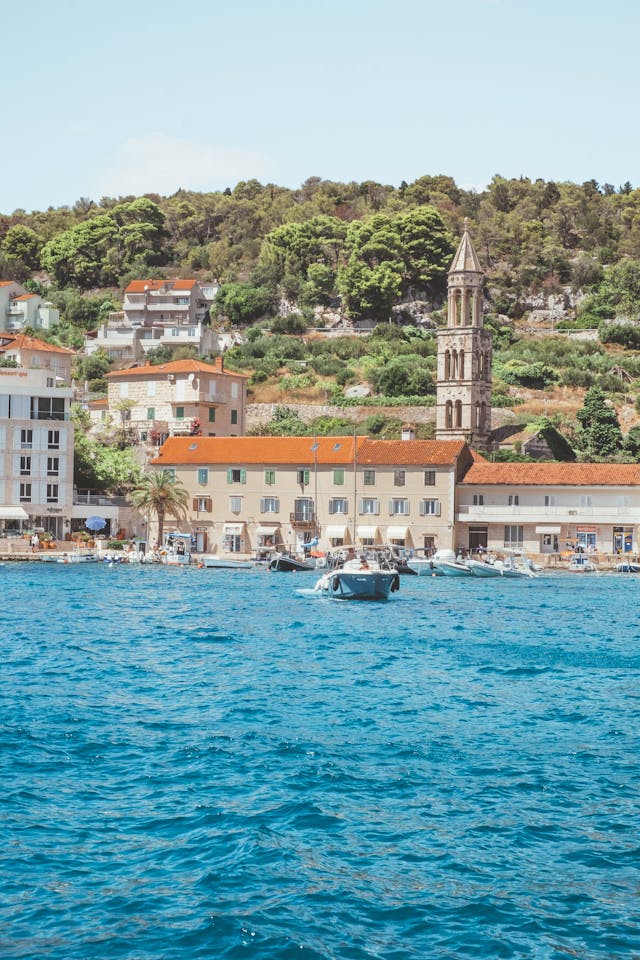
The choice between Malta and Cyprus largely depends on the richness of their sites and the diversity of their landscapes. Malta captivates with a compact archipelago, where each island has a distinct identity. Gozo, Comino, and Malta offer renowned beaches, megalithic temples, and remarkable baroque architecture. Cyprus stands out with a larger area, an alternation of mountains, Mediterranean nature, and turquoise sea, as well as archaeological sites listed as World Heritage.
The presence of numerous temples in Malta dates back over 5,000 years, offering an unparalleled journey through time. Cyprus impresses with its Greco-Roman ruins and Byzantine churches nestled in the heart of the Troodos massif. Both destinations offer unique experiences for history and culture enthusiasts, but the variety of Cypriot landscapes will appeal to hiking and adventure lovers.
The size of Cyprus allows you to explore traditional villages, wild beaches, and mountains in a single day. In Malta, the short distances make exploring the archipelago easy, making each stay rich in discoveries. The choice will depend on your preferences regarding nature, historical sites, and geographical diversity.
Comparison of cultural and natural highlights
- Temples: Megaliths of Ħaġar Qim (Malta) and Greco-Roman sites of Paphos (Cyprus)
- Beaches: Blue Lagoon in Comino, beaches of Protaras in Cyprus
- Hiking: Trails of Troodos in Cyprus, Dingli Cliffs in Malta
- Heritage: Valletta (Malta) and Nicosia (Cyprus)
How do culture and history influence the travel experience on each island?
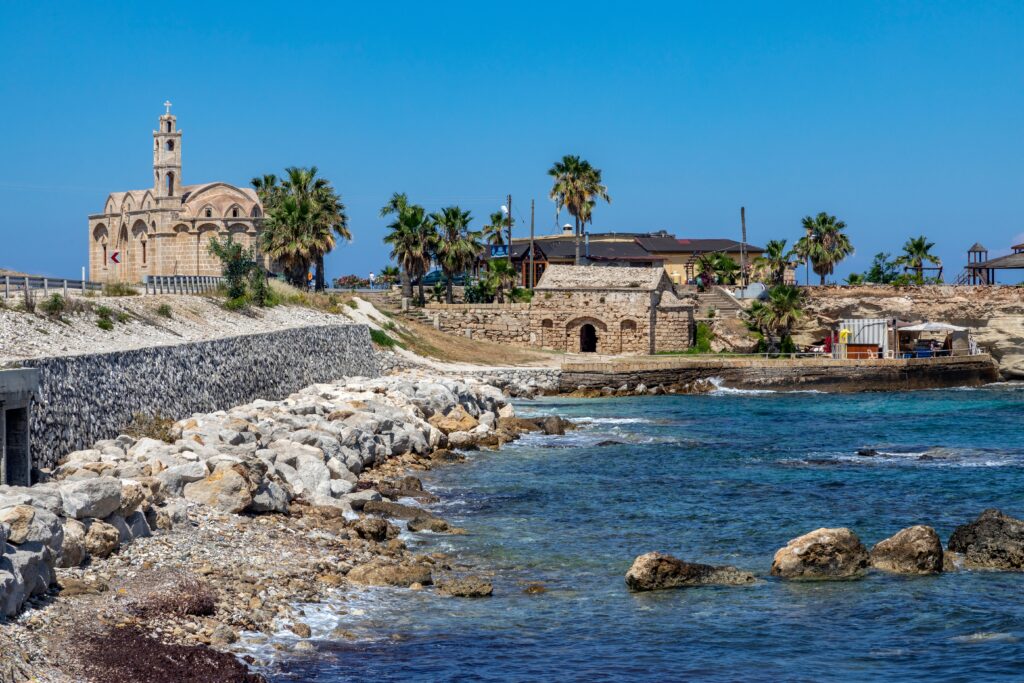
The culture of Malta stems from a blend of Arab, Italian, and British influences, visible in the language, cuisine, and local festivals. The prehistoric temples, the Knights’ fortifications, and the baroque churches create a unique backdrop for any cultural trip. In Cyprus, the division between Greek and Turkish communities shapes a multiple identity, noticeable in traditions, gastronomy, and religious celebrations.
The capital Nicosia, the only divided capital in Europe, offers an immersion into a complex history and a rare cultural coexistence. Cypriot festivals, between Byzantine chants and Greek dances, reflect this richness. In Malta, religious celebrations and processions color daily life, creating a permanent holiday atmosphere.
Both countries value the preservation of their heritage and the warm welcome of visitors. The architectural diversity and the vitality of festivals reveal the attachment to traditions, while making each stay authentic and memorable.
Major cultural elements to explore
- Culture: Mediterranean, Arab, and European influence in Malta, Greek-Turkish mix in Cyprus
- Festivals: Religious celebrations in Malta, Limassol carnival in Cyprus
- Heritage: UNESCO sites, museums, and living traditions
What are the differences regarding weather, nature, and outdoor activities?
Malta’s Mediterranean climate guarantees sunny summers and mild winters, ideal for enjoying the beaches and clear waters. Cyprus benefits from similar weather, with slightly higher temperatures in summer and year-round hiking opportunities thanks to the Troodos mountain range.
Nature lovers will find in Cyprus a wide diversity of landscapes, between forests, mountains, and wild coasts. Malta offers crystal-clear seas suitable for diving and snorkeling, as well as hidden coves ideal for relaxation. Both destinations offer water sports, boat rides, and excursions in nature reserves.
The variety of outdoor activities in Cyprus includes bird watching, visiting perched monasteries, and discovering authentic villages. In Malta, water sports and exploring the archipelago attract travelers seeking thrills and sublime landscapes.
What practical criteria should be prioritized to organize your stay between Malta and Cyprus?
To choose between Malta and Cyprus, several practical criteria come into play: the size of the island, population density, flight access, and hotel quality. Malta stands out with a compact archipelago and a varied hotel offer ranging from charming hotels to high-end resorts. Cyprus offers a wide range of seaside hotels and traditional guesthouses.
Air connectivity facilitates access to both destinations from France, with frequent direct flights to Malta and Cyprus. The dense road network in Cyprus allows easy island travel by car, while the short distances in Malta make getting around quick and efficient.
The quality of life, safety, and access to health services are high on both islands. The diversity of landscapes, the richness of heritage, and the ease of organizing the stay make both Malta and Cyprus relevant choices for unforgettable Mediterranean holidays.
Practical points to consider when organizing your trip
- Flights: Easy access from France to Malta and Cyprus
- Hotels: Wide range of accommodation for all budgets
- Climate: Ideal season from May to October
- Nature: Outdoor activities and renowned beaches
In Cyprus, the city of Paphos is famous for its ancient mosaics listed as UNESCO World Heritage and its spectacular views of the Mediterranean Sea.
Mediterranean Quiz: Malta or Cyprus?
Which island offers the greatest diversity of landscapes and historical sites?
Which island is known for its megalithic temples dating back over 5000 years?
Which island has a mountain range suitable for hiking all year round?
Which island is known for its Greco-Roman ruins and Byzantine churches?
Which island offers a culinary experience centered around meze and seafood?
What impact does local gastronomy have on the travel experience in Malta or Cyprus?
Discovering culture often involves tasting culinary specialties. In Malta, the cuisine reflects a Mediterranean fusion where Sicilian, Arab, and British influences are found in typical dishes like fenek (rabbit) or pastizzi. Local markets invite you to savor fresh products and immerse yourself in the warm atmosphere of villages, where small family-run restaurants offer an authentic experience. In Cyprus, gastronomy is expressed through meze, a series of small plates, and traditional recipes based on halloumi, lamb, or fish. Coastal taverns offer breathtaking sea views while tasting local flavors, creating unique culinary memories.
Both islands regularly organize gastronomic festivals highlighting their culinary heritage. These events allow travelers to discover the richness of local products and meet local artisans. Wine tastings in Cyprus or cellar visits in Malta add an extra dimension to exploring Mediterranean culture, making each stay a sensory and convivial adventure.
Traditional markets and their role in local life
The markets of Malta and Cyprus are lively places where the diversity of island culture is expressed. One discovers local products, spices, cheeses, and seasonal fruits there. These markets serve as a meeting point between residents and visitors, strengthening social bonds and passing culinary traditions from generation to generation. The atmosphere is lively, conducive to exchange and the discovery of authentic flavors.
The influence of ancient civilizations on cuisine
The heritage of Phoenician, Greek, Roman, and Byzantine civilizations is found in many recipes. In Cyprus, the use of aromatic herbs, olives, and cereals recalls Antiquity, while in Malta, Eastern influences are expressed in pastries and stewed dishes. This historical richness contributes to a varied and surprising gastronomy, a true reflection of the islands’ heritage.
Culinary experiences not to be missed
In Malta, participating in a local cooking workshop allows one to learn the secrets of traditional recipes. In Cyprus, the wine routes offer tastings in family estates located in the heart of the mountains. Both destinations thus offer immersive experiences, ideal for lovers of gastronomic discoveries and human encounters.
The role of seafood in the diet
The proximity of the sea strongly influences eating habits in both Malta and Cyprus. Fresh fish, seafood, and crustaceans hold a central place in daily cuisine. Fishing ports provide very fresh products, found in specialties served by the beaches or in small picturesque ports, offering an authentic and seasonal culinary experience.
- Taste local specialties in a traditional market
- Participate in a Mediterranean cooking workshop
- Explore the wine routes and visit family cellars
- Enjoy a fresh fish meal by the sea
- Discover seasonal gastronomic festivals
How to choose between Malta and Cyprus for a first big trip?

The choice between Malta and Cyprus depends on expectations regarding landscapes, culture, and experiences to live. Malta charms with its compact heritage, unique temples, and its archipelago easy to explore during a short stay. Cyprus attracts with the extent of its beaches, the richness of its ancient sites, and the diversity of its nature activities. Each destination offers an authentic immersion in the Mediterranean, marked by hospitality, gastronomy, and the beauty of the islands.
Essential questions to prepare a trip to Malta or Cyprus
Can you practice scuba diving all year round on these two Mediterranean islands?
The clear waters of Malta and Cyprus offer ideal conditions for scuba diving, with remarkable visibility and a variety of sites. In Malta, the season extends almost all year thanks to the mild climate, while in Cyprus, diving remains pleasant from spring to autumn. The wrecks, caves, and coral reefs guarantee varied explorations for all levels, and local clubs offer professional support adapted to each period.
How to take advantage of local transport to explore each island in depth?
In Malta, the bus network efficiently serves the entire archipelago, allowing travel without a car and easy access to beaches, villages, and historic sites. In Cyprus, it is advisable to rent a car to access the Troodos mountains, traditional villages, and more remote beaches. Adopting local means of transport offers the opportunity to immerse yourself in the island lifestyle and multiply authentic encounters throughout the journey.
If you are undecided between these two islands for your next trip, discover our comprehensive guide on diving in Malta and Cyprus to better compare the activities and underwater landscapes they offer.
Related posts:
 Cyprus dangerous tourism: safety, vigilance, and advice for a peaceful stay
 Opodo comparison of the best services and innovations to book your trips online
 History, architecture, and symbolism of the Brooklyn Bridge in New York, an iconic and essential structure
 Where to go in March for cheap sunshine for an unforgettable and economical stay?