
Mediterranean escape, living history and authentic moments: if you are looking for a destination where the past and local life intertwine to the rhythm of the waves, Tarragona will awaken in you a feeling of wonder. Between majestic Roman ruins, golden beaches, and Catalan traditions, the city invites you to feel the strength of the centuries while enjoying a warm atmosphere.
Faced with the influx of mass tourism, it is not always easy to find the balance between cultural immersion and tranquility. I will share with you my experiences, my advice to navigate between archaeological sites, festive events, and nature getaways, so that every traveler can shape a stay that is both rich and respectful of the soul of Tarragona.
What is the geographical and historical setting of Tarragona in Spain?
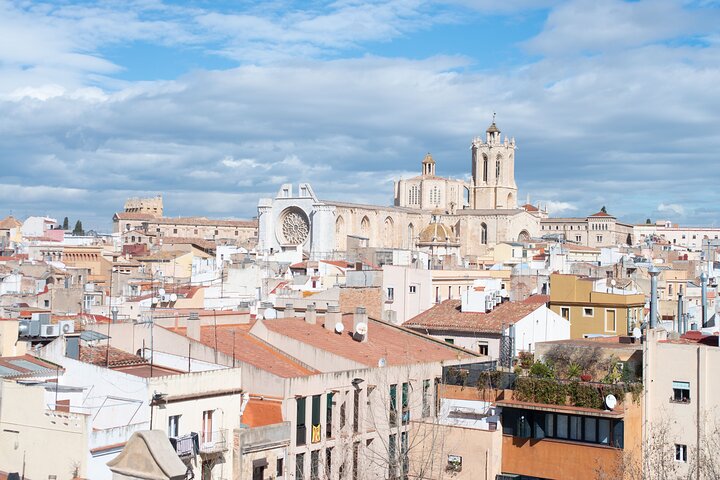
Tarragona occupies a strategic position in Catalonia, on the Mediterranean coast, at about 75 meters altitude. The city covers 57.9 km² and has more than 141,000 inhabitants, allowing for a lively coastal environment and a density conducive to cultural exchanges. The proximity of the Pyrenees and the Ebro River offers a unique natural panorama, between sea and hills.
The province of Tarragona, capital of the county of Tarragonès, is distinguished by its Roman-era remains and ancient relics. The historic center, classified as a UNESCO World Heritage site, bears witness to a rich history, marked by Roman presence and numerous relics from antiquity. This city is an essential stopover for enthusiasts of archaeological sites and architecture.
The Spanish Mediterranean climate, characterized by hot summers and mild winters, favors the discovery of the ruins in any season. Access to Tarragona is facilitated by Reus airport, 12 kilometers away, and the Camp de Tarragona train station, served by high-speed trains from Barcelona.
Key data about Tarragona
- Area: 57.9 km²
- Altitude: 68 meters
- Population: 141,542 inhabitants
- Climate: Mediterranean, hot summer, mild winter
- Access: Reus airport, Camp de Tarragona TGV station
What are the main ruins and monuments to explore in Tarragona?
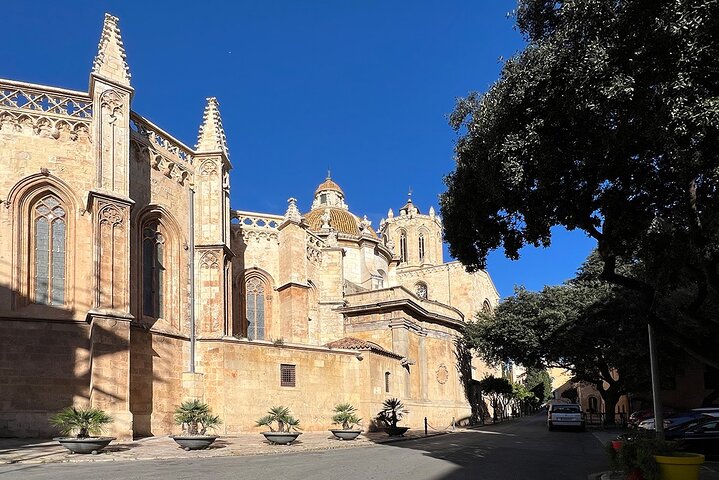
The city of Tarragona houses impressive Roman remains such as the amphitheater, the circus, the Ferreres aqueduct, and the ramparts. These ruins reveal the importance of Tarragona as a provincial capital under the Roman Empire. The Tarragona Cathedral, dating from the 12th to 13th century, combines Romanesque and Gothic styles, offering a remarkable example of Spanish religious architecture.
Religious sites include the Convent of the Poor Clares, the Santa Teresa Church, the Convent of the Capuchin Friars Minor, and the Poblet Monastery, located 50 kilometers to the north, which was the burial place of the Catalan kings. All these monuments and ruins help to better understand the history and culture of Catalonia.
The archaeological site of Tarraco, listed by UNESCO, is a major reference for enthusiasts of ancient remains. The city’s archaeological museums exhibit numerous objects from these remains, facilitating an immersive and educational visit.
Monuments not to be missed
- Roman Amphitheater: Sea view and ancient history
- Ferreres Aqueduct: Roman civil engineering
- Cathedral: Romanesque and Gothic blend
- Poblet Monastery: Royal heritage
- Archaeological Museum: Ancient collections
How to organize a stay in Tarragona to fully enjoy the destination?
Tarragona offers a wide range of hotels, from charming establishments to luxurious accommodations. It is advisable to book in advance, especially during major festivities such as Santa Tecla or the Tarraco Viva festival. The proximity of Salou and PortAventura allows combining a seaside stay with leisure activities.
The city is easily explored on foot, especially its historic center and archaeological sites. The Mediterranean beaches offer a relaxing setting after a day of visiting the remains. Local transport and trains facilitate travel to Barcelona or nearby villages.
To experience an authentic atmosphere, favor local markets and restaurants offering Catalan specialties. Tasting pa amb tomàquet, neules, torrons, or even the locally produced Chartreuse liqueur allows one to immerse in Spanish culture.
What cultural and festive experiences to enjoy in Tarragona and its region?
Tarragona stands out for its traditional festivals such as Santa Tecla and the Sant Magí festival, which enliven the city every year. These events highlight the Roman remains and heritage through historical reenactments, street performances, and fireworks competitions.
The Tarraco Viva festival offers a total immersion into the history of Catalonia by celebrating Roman remains and ancient traditions. Museums and cultural institutions regularly organize exhibitions and workshops for visitors of all ages.
The beaches, amusement parks like PortAventura, and excursions to Salou complement the offer of cultural and leisure activities. Twinning with several European cities promotes exchanges and strengthens Tarragona’s international openness.
Cultural and festive highlights in Tarragona
- Santa Tecla: Major September festival
- Sant Magí Festival: Summer tradition
- Tarraco Viva: Historical reenactments
- Fireworks competition: Beach show
- PortAventura: Family amusement park
A sculpture of Augustus, discovered during excavations in the Tarragona amphitheater, is now exhibited at the local archaeological museum.
Quiz: Discover Tarragona, its remains and culture
What is the approximate area of Tarragona?
Which iconic Roman relic offers a sea view in Tarragona?
Which festival celebrates Tarragona’s Roman history with reenactments?
Which natural park near Tarragona is ideal for birdwatching?
Which Catalan culinary specialty should you try during your stay in Tarragona?
Sushi
Valencian paella
How to discover the natural wealth and landscapes around Tarragona?
The surroundings of Tarragona offer a diversity of landscapes to explore, between golden Mediterranean beaches, pine-covered hills, and renowned vineyards. Coastal paths allow access to hidden coves and admire the coast from natural viewpoints. The Ebro Delta Natural Reserve, less than an hour’s drive away, captivates with its lagoons, migratory birds, and rice fields, offering an immersive experience in the Mediterranean ecosystem.
The province of Tarragona is full of natural sites suitable for hiking, cycling tourism, and exploring limestone caves. Water sports enthusiasts benefit from a wide range of activities on the beaches, such as diving, sailing, or kayaking. Exploring these natural spaces complements the visit to the ruins and enriches the experience of staying in this region of Catalonia.
The emblematic beaches of the coastline
The Tarragona coastline stretches over several kilometers and offers renowned beaches such as Playa del Miracle and Playa Larga. These fine sandy beaches, bordered by pines and dunes, are perfect for relaxation, swimming, and practicing water sports. The proximity to the historic center allows enjoying a lively city while easily accessing the sea.
Ebro Delta Natural Park
The Ebro Delta Natural Park, located in the south of the province, is an exceptional site for birdwatching and discovering unique landscapes. The marked trails cross lagoons, rice fields, and wild beaches, offering a striking contrast with the Roman remains of Tarragona.
Hiking and nature in the hinterland
The hinterland of Tarragona is full of hiking trails winding through hills and Mediterranean forests. The perched villages and isolated monasteries bear witness to the region’s history. Climbing and caving enthusiasts can explore the cliffs and caves of the Prades massif.
Vineyards and wine routes
The region around Tarragona is famous for its vineyards, especially those of Priorat and Penedès. The wine routes invite you to discover wineries, taste local vintages, and explore rolling landscapes. These itineraries offer an immersion into Spanish wine culture.
- Fine sandy beaches accessible from the center
- Ebro Delta Natural Reserve
- Hiking trails in the hills
- Wine routes and local tastings
Why does Tarragona attract travelers seeking authenticity and discoveries?
Tarragona captivates with the harmonious coexistence of historical remains, preserved natural landscapes, and a dynamic local life. Exploring this city allows immersion in a living culture, touring remarkable monuments, and tasting the diversity of Catalonia. The possibilities for activities and visits cater to all types of travelers, whether they are history enthusiasts, nature lovers, or curious about local traditions. Accessibility from Barcelona and the variety of hotels make it easy to plan a rewarding stay in any season.
Frequently asked questions for an authentic stay in Tarragona
What are the best times of the year to discover Tarragona without the crowds?
Favor spring or early autumn to enjoy a peaceful atmosphere, pleasant temperatures, and ideal lighting on the ruins. These periods allow for more authentic encounters with locals, while avoiding the summer crowds that accompany major festivals and the high beach season.
How to experience a local off-the-beaten-path experience in Tarragona?
Join a guided tour led by a passionate local or explore the popular neighborhoods outside the historic center. Visit the morning markets, taste tapas in small family taverns, and venture towards the surrounding vineyards or villages to feel the Catalan way of life and discover little-known traditions.
Tarragona, located on Spain’s Mediterranean coast, captivates visitors with the richness of its Roman ruins, including the amphitheater and the circus, witnesses to a glorious past, but also with its architectural heritage, golden beaches, and numerous cultural experiences to enjoy throughout the year; to explore other fascinating coastal destinations and discover where to go scuba diving, visit this comprehensive guide to the best diving spots around the world.
Related posts:
 Diving in Malta: the 10 best sites, level by level
 Flixbus the economical and practical solution for traveling in France and Europe at attractive prices
 Leaving without money in 2025 practical tips for a free and uncompromising trip
 What to do in Beaune to experience a unique journey through wines, history, culture, and gastronomy?