
Between the peaceful shores of Lake Carcès and the hills of the Var, the quest for authenticity takes on its full meaning. Faced with the pressure of tourism and the preservation of water, finding a balance between preserved nature and local traditions becomes a real challenge. Experiencing the village, immersing yourself in the deep Provence, and wandering the shaded paths offers a journey where every moment reveals a rare harmony. Follow this route to grasp the richness of a place where heritage, serenity, and biodiversity compose an unforgettable picture.
What is the origin of Lake Carcès and how does its dam work?
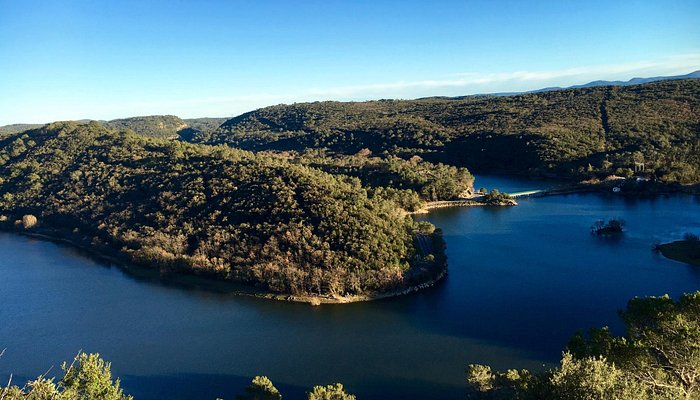
Lake Carcès, also called Lake Sainte Suzanne, originates from the construction of a dam built between 1934 and 1939. This infrastructure was designed to guarantee drinking water to the city of Toulon and neighboring municipalities. The site covers an area exceeding one hundred hectares, giving the region a unique character in the Var.
The dam holds back nearly eight million cubic meters, thus creating a considerable volume of water. The lake is fed by the Caramy and Issole rivers, whose confluence shapes the local geography. This system ensures the stability of the water level and the security of the supply.
The lake plays a central role for the Provence region, as it covers the majority of Toulon’s water needs. The management of this source is subject to strict monitoring, notably thanks to two inter-municipal syndicates that bring together several strategic municipalities.
Key stages in the creation of the lake
- Construction of the dam between 1934 and 1939
- Progressive filling thanks to the Caramy and Issole rivers
- Inter-municipal management of water and security
- Decennial maintenance of the dam to preserve the source
What are the geographical and ecological specificities of the site?
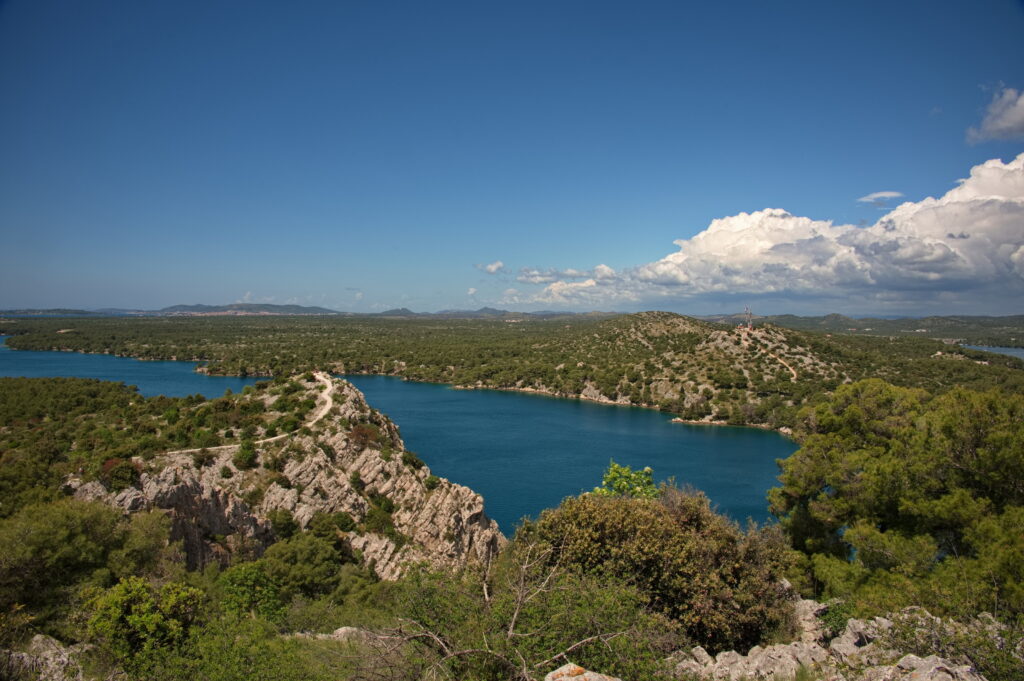
Lake Sainte Suzanne is set in the landscape of the Var, at an altitude of 171 meters, offering views of the village of Carcès and the municipality of Cabasse. The shores stretch over eight kilometers, dotted with secondary residences, and the site benefits from an accessible path to discover nature.
This lake hosts a diversity of fish species, notably carp, roach, and tench. The local ecology is preserved thanks to regulations that prohibit swimming and boating, so as to maintain water quality and level stability.
The region also offers viewpoints over the Verdon gorges and the surrounding Provençal countryside. Walking trails allow exploration of the richness of the natural heritage and enjoyment of a peaceful atmosphere.
The natural assets of Lake Carcès
- Presence of numerous fish species
- Panoramas of the gorges and Provence
- Trails for walking around the lake
- Protection of the site’s ecology
How is water management and safety ensured at Lake Carcès?
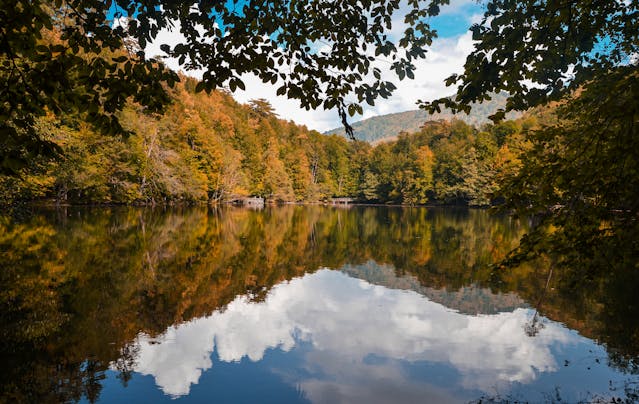
Water volume management at Lake Carcès relies on precise technical devices. Valves allow regulation of the level according to needs, capable of increasing it by two and a half meters to ensure continuous supply to the region.
Intensive pumping during dry periods can cause a rapid drop in the level, hence the prohibition of swimming and water activities to preserve the safety of the dam. Management is ensured by inter-municipal syndicates that coordinate the use of the main source of Toulon.
A complete drying of the lake takes place every ten years, requiring work costing nearly 690,000 euros. These operations guarantee the quality of water intended for the population and the stability of the infrastructures.
What activities and access are possible around Lake Carcès?
Regulations limit direct activities on the lake due to the strategic role of the source and safety maintenance. However, the surroundings of the village of Carcès and the hiking trails offer opportunities for walks and exploration of the local heritage.
Fishing remains a popular activity in certain areas, with regulations adapted to preserve fish such as carp, roach, and tench. Visitors can enjoy designated parking areas to facilitate access to trails and viewpoints.
The proximity to the Verdon gorges and the Provence region enriches the green tourism offer, allowing discovery of remarkable hydrology and a preserved environment.
Access and activities around the lake
- Parking: accessible parking near the lake
- Walks: hiking trails and viewpoints
- Fishing: specific regulations to preserve the source
- Tourism: discovery of Provence landscapes
A 2020 census confirms that half of the houses in the village of Lake Carcès are second homes, illustrating the peaceful and discreet appeal of this site in the Var.
Quiz on Lake Carcès: Nature and History
What is the origin of Lake Carcès?
How does the Lake Carcès dam mainly operate?
What activities are allowed directly on the lake?
What is an ecological specificity of the site?
How is the water level management ensured?
How to Discover the Rich Heritage Around Lake Carcès?
Exploring the surroundings of Lake Carcès allows you to appreciate a diversity of landscapes and traditions. Visitors can follow marked paths that run along the shores, cross oak forests, and lead to viewpoints over the Var valley. The architecture of the village of Carcès, with its cobbled streets, fountains, and colorful houses, reflects the history of Provence.
The local heritage is enriched by old mills, remnants of the rural past, and chapels scattered throughout the countryside. The weekly markets highlight regional products, offering enthusiasts of authentic tourism an immersion in Provençal culture. Local traditions rhythm the life of the village and create a strong connection with the territory.
The Mills and Their History
Several mills line the edges of the lake, some dating back to the Middle Ages. Their presence recalls the importance of the Caramy and water in the agricultural development of the region. History enthusiasts can discover their architecture and understand their role in the economy of yesteryear.
The Discovery Trails
Interpretation trails crisscross the area, allowing visitors to observe the local fauna and flora. Educational panels provide information about the site’s ecology, the management of the spring, and the richness of aquatic environments. These routes are suitable for all levels and offer shaded resting spots.
Local traditions and festivities
The village of Carcès organizes traditional festivals every year that highlight Provençal culture. The activities include gourmet markets, open-air concerts, and craft exhibitions. These events attract tourists seeking authenticity.
Observation of fauna and flora
The surroundings of the lake host remarkable biodiversity. The banks welcome herons, ducks, and numerous fish species. Walkers can observe the typical flora of Provence and enjoy a preserved natural environment, conducive to relaxation.
- Discovering historic mills
- Walking on educational trails
- Participating in village festivities
- Bird and flora observation
- Meeting local producers
Why is Lake Carcès an essential destination for nature and heritage lovers?
Lake Carcès captivates with the diversity of its landscapes, the richness of its heritage, and the harmony between nature and traditions. This site in the Var offers varied walks, an immersion in local culture, and privileged access to a preserved environment. Visitors find a peaceful atmosphere here, ideal for discovering Provence differently and getting introduced to the beauty of Mediterranean lakes.
Frequently asked questions about discovering Lake Carcès and its surroundings
Can you access Lake Carcès for a family day out without being a resident of the village?
The surroundings of the lake remain accessible to everyone, even if you are not staying in Carcès. Several parking lots make it easy to access the walking trails and viewpoints. These areas offer picnic and relaxation opportunities in a natural setting, perfect for sharing a family day in the heart of Provence.
Are there guided tours available to enrich your discovery of the local heritage around the lake?
Guided tours are occasionally offered by the tourist office or local associations. These outings allow you to explore the historic mills, the village of Carcès, and Provençal traditions with a passionate guide. You will learn more about water management, the role of the dam, and the rural history of the region.
What advice would you give for photographing the spectacular landscapes of Lake Carcès and enjoying the best lighting?
The golden light of the morning or late afternoon enhances the reflections on the lake and the colors of the surrounding hills. Favor trails that overlook the shores to capture panoramas, especially towards Cabasse or near the old mills. In autumn, the contrast offered by the vegetation makes the photographic experience even more memorable.
To discover other remarkable natural sites in the region, especially those that appeal to diving enthusiasts, feel free to check out our article on the most beautiful diving spots in the Var, which will offer you a complementary perspective to that of Lake Carcès, a strategic water resource between nature and history.
Related posts:
 Cyprus dangerous tourism: safety, vigilance, and advice for a peaceful stay
 Opodo comparison of the best services and innovations to book your trips online
 Koh Phangan between paradisiacal beaches, natural landscapes, and legendary parties in Thailand
 Behaviors and mistakes to avoid in Croatia for a peaceful and respectful trip