
Between white sandy beaches, abundant biodiversity, and a mixed culture, Saint Martin fascinates those who dream of uncompromising escape. Too often, the choice of an island in the Caribbean raises the question of authenticity in the face of tourist influx. Here, every encounter, every flavor, and every panorama reveal a unique facet, far from clichés. This story offers you an immersion into local daily life, concrete advice for orientation, and a reflection on the richness of a stay between preserved nature and unforgettable human experiences.
Where is Saint Martin located and what is its fascinating history?
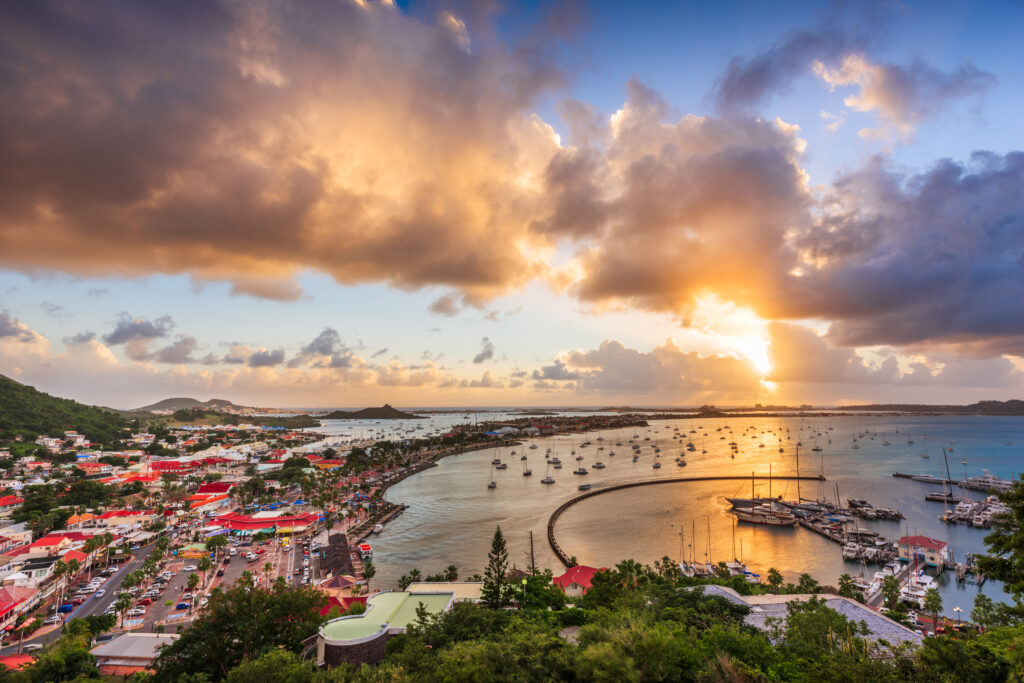
Island located about 240 kilometers east of Puerto Rico, Saint Martin stands out in the heart of the Caribbean by an invisible border separating the French side from the Dutch side. This island was first mentioned by Christopher Columbus in 1493, named in honor of Saint Martin of Tours.
The division of the island between France and the Netherlands dates back to the Treaty of Concordia of 1648, setting a border that has evolved sixteen times. French influences dominate the north with Marigot as the capital, while the Dutch part shines through Philipsburg.
The major historical milestones to remember
- Arrival of Christopher Columbus in 1493
- Colonization and struggles between European powers
- Treaty of Concordia in 1648
- Evolution of political statuses in 2007 and 2010
What are the geography and climate of Saint Martin?
The nature of Saint Martin reveals some of the most beautiful varied landscapes, between white sandy beaches and protected bays, enveloped by remarkable biodiversity. The panorama extends over 87 km², with a majority of accessible beaches, and a bay of Marigot enlivening the French side.
The climate is tropical, with an average annual temperature of 27 degrees Celsius and precipitation of 995 millimeters. Visitors enjoy sunshine, sea, and warm sand all year round, conducive to relaxation and exploration of the tropical forest.
The major natural characteristics
- Average temperature of 27°C all year round
- 37 white sandy beaches
- Bay of Marigot and Simpson Bay
- Lush tropical vegetation
- Moderate precipitation
What are the must-see tourist attractions of the island?
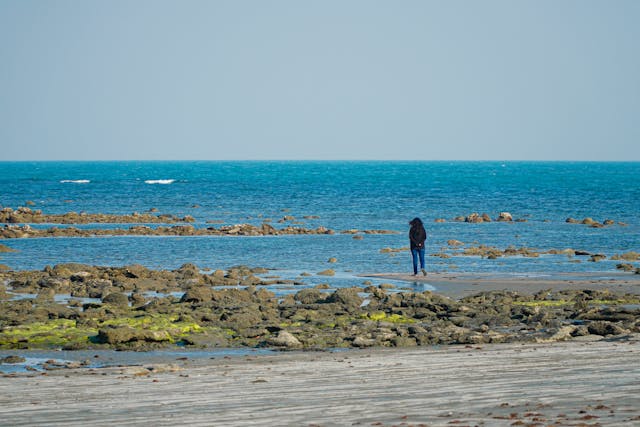
Holidays in Saint Martin revolve around white sandy beaches, turquoise waters, and a sea ideal for diving, snorkeling, and surfing. Maho Bay, famous for planes flying over the beach, attracts fans of spectacular views.
The French side charms with its colorful markets and gastronomy, while the Dutch part offers casinos and duty-free shops. The island’s nature can also be enjoyed during hikes in the forest or along coastal trails.
Activities not to be missed
- Diving and snorkeling in crystal-clear waters
- Discovering Grand Case, the gastronomic capital
- Watching planes at Maho Beach
- Hiking in the tropical forest
- Visiting the Marigot markets
How to get around and what facilities are available on site?
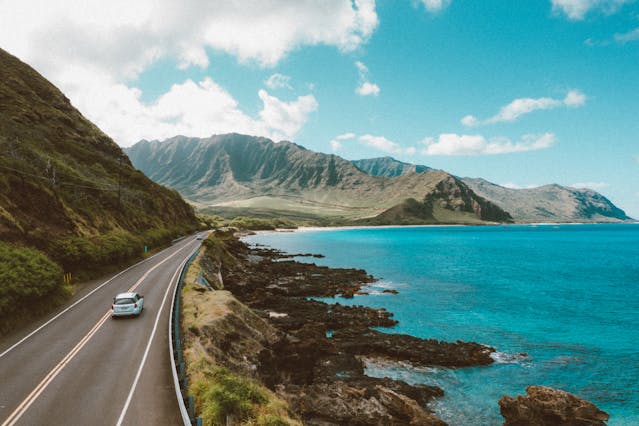
Most visitors prefer rental cars to explore the island, with roads easily connecting each beach, bay, or viewpoint. Taxis and minibuses also provide convenient travel between the French side, the Dutch part, and the ports.
The Princess Juliana International Airport handles most flights, located near Maho Beach. Crossing to Anguilla or Saint Barthélemy requires a passport, while the French and Dutch parts share free access without systematic control.
Main means of transport
- Car rental
- Shared minibuses
- Taxis
- Boats for isolated bays and beaches
What languages are spoken and what are the cultural specifics?
The French side uses French as the official language, with a predominantly francophone population. The Dutch part favors English, Dutch, and Papiamento, offering a multicultural journey and authentic exchanges.
The island cuisine blends Creole, French, and international flavors, with Grand Case as the gastronomic capital. The Marigot markets reveal a culinary and cultural biodiversity, reflecting the richness of the Antilles.
Languages and cultures represented
- French
- English
- Dutch
- Papiamento
- Creole, European, and South American cultures
A flight passing less than fifty meters above Maho Beach offers an unforgettable experience on this island of the Antilles.
Quiz: Discover Saint Martin!
Where is the island of Saint Martin located?
What is the capital of the French part of Saint Martin?
What climate characterizes Saint Martin?
What is a famous tourist attraction in Saint Martin?
Which language is not commonly spoken in Saint Martin?
If you want to deepen your discovery of Saint Martin and explore its exceptional underwater world, feel free to consult our guide dedicated to the best diving activities on site to experience an unforgettable aquatic adventure during your next stay.
What natural and marine treasures are to be discovered in Saint Martin?
The island of Saint Martin is home to nature reserves where biodiversity unfolds through mangroves, lagoons, and reefs. Trails lead to viewpoints offering panoramas of green hills and the sparkling sea. Nature enthusiasts explore these areas to observe tropical birds, iguanas, and endemic flora.
The underwater world of Saint Martin reveals abundant aquatic life. Diving sites feature corals, turtles, and colorful fish in crystal-clear waters. Snorkeling lovers follow the coasts to admire the richness of marine fauna, especially in the northeast coast nature reserve.
The island’s wild beaches attract with their golden sand and lush vegetation. Some coves, accessible only on foot or by boat, guarantee total relaxation in a preserved setting. Sun lovers enjoy these secluded spots for a moment of tranquility.
Observation of fauna and flora
Saint Martin’s dry forest reveals many rare plant species. Nature watchers encounter hummingbirds, pelicans, and land crabs in their natural habitat. Marked trails cross these protected areas, ideal for discovering local biodiversity.
Marine excursions and water activities
Boat excursions allow you to explore secluded bays and surrounding islets. Outings often include stops for snorkeling or diving in turquoise waters. Surf enthusiasts find spots suitable for all levels, enjoying the consistent swell and pleasant climate.
- Étang aux Poissons Nature Reserve
- Pointe des Froussards Trail
- Surf spot at Galion Beach
- Excursion to Pinel Islet
- Turtle watching at Baie Longue
Why does Saint Martin attract travelers seeking authenticity?
Saint Martin captivates with its lively markets, colorful villages, and the warm welcome of its inhabitants. Visitors discover a mixed culture, where French traditions blend with Caribbean customs. Local festivities punctuate island life and invite exploration of music, dance, and crafts.
The diversity of landscapes, from white sandy beaches to hills and tropical forests, allows for varied experiences. Off-the-beaten-path routes reveal preserved panoramas and authentic encounters with the local population. Travelers appreciate the sense of freedom offered by this unique island.
The local cuisine, influenced by the sea and tropical products, offers a palette of flavors to discover. Small family restaurants and roadside lolo serve generous dishes, reflecting the richness of the Antilles. Tastings of arranged rum and seafood are among the must-have pleasures.
Festivities and local events
The Saint Martin Carnival enlivens the island every year with its colorful parades and street performances. Traditional celebrations bring together residents and visitors around music, costumes, and gastronomy. These events offer an immersion into local culture.
Cultural encounters and exchanges
The markets of Marigot and the northern villages encourage exchanges with artisans and producers. Visitors share convivial moments discovering local know-how, from palm leaf weaving to making exotic jams. These encounters enrich the journey and understanding of the island.
- Saint Martin Carnival
- Marigot Market
- Visit to Grand Case
- Local rum tasting
- Traditional craft workshops
- Discovery of northern villages
Why choose Saint Martin for a first trip to the Antilles?
Saint Martin offers a complete immersion between dream beaches, preserved nature, and mixed culture. The infrastructure facilitates trip organization, while the variety of activities guarantees unforgettable memories. The island offers a perfect balance between relaxation, discovery, and adventure under the Antillean sun.
FAQ to prepare an authentic stay in Saint Martin
Is it easy to combine underwater discovery and cultural exploration during the same trip to Saint Martin?
You have the option to dive or snorkel in the translucent waters in the morning, then spend the afternoon meeting local artisans or strolling through lively markets. The size of the island and the diversity of its sites allow for a smooth alternation between marine experiences and cultural immersion, without long journeys.
What advice is there for experiencing local life away from the most frequented tourist areas?
By favoring the northern villages or beaches accessible only on foot, you will discover a more intimate side of Saint Martin. Taking the time to chat with locals, visiting the lolo to taste Creole cuisine, or participating in a craft workshop are all opportunities to grasp the island’s authenticity beyond the usual tourist routes.
Related posts:
 Cyprus dangerous tourism: safety, vigilance, and advice for a peaceful stay
 Opodo comparison of the best services and innovations to book your trips online
 Where to go in March for cheap sunshine for an unforgettable and economical stay?
 Visit Zaragoza to explore its historical heritage, its museums, and the richness of its gastronomy