Do you feel that irresistible call of turquoise lagoons and preserved reefs, that desire to live magical moments at the heart of the most fascinating marine wildlife on the planet? French Polynesia offers a unique playground, where each dive reveals rare encounters and breathtaking underwater landscapes. Faced with the temptation to follow classic itineraries or succumb to the pressure of mass tourism, it becomes difficult to choose authentic spots and preserve the magic of the experience.
I offer you an itinerary built on lived experience: immersion in local life, selection of must-see sites for beginners and advanced divers, practical advice and reflections on the impact of travel, in order to fully enjoy every moment without ever betraying the beauty of these marine sanctuaries.
Which Polynesian archipelagos offer the most renowned diving spots?
Lagoon diving attracts enthusiasts to Polynesia thanks to the exceptional diversity of its sites and marine life. The Society and Tuamotu archipelagos are known for their coral and clear waters, ideal for underwater exploration and marine wildlife observation.
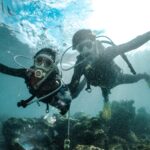
In these marine sanctuaries, each island offers varied scuba diving, from snorkeling accessible to beginners to advanced dives in the legendary passes. The richness of the marine ecosystem guarantees a unique experience for all levels.
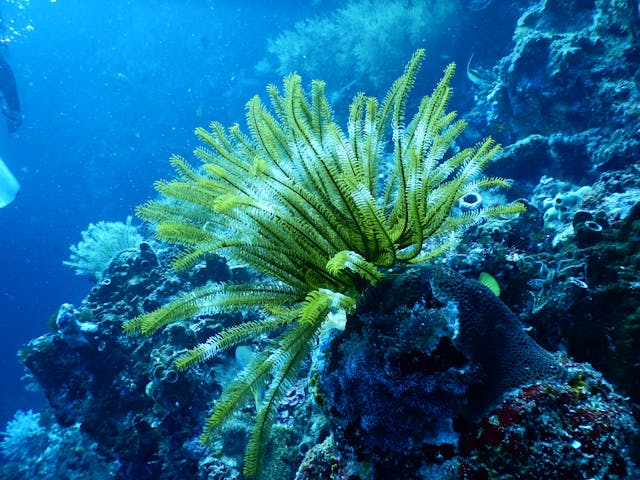
Key archipelagos to prioritize
- Society Archipelago: Tahiti, Moorea, Bora Bora
- Tuamotu: Fakarava, Rangiroa, Tikehau
- Marquesas: for a different biodiversity
Which Polynesian islands are ideal for a first dive?
The lagoons of Tahiti, Moorea and Bora Bora offer a perfect setting for beginner diving. The coral gardens shelter a wide variety of fish and rays in calm and translucent waters, ideal for observing marine flora.
The reef diving spots and coral garden dives are accessible, with a gradual immersion and colorful marine landscapes. These natural reserves allow discovering the marine ecosystem without technical difficulty.
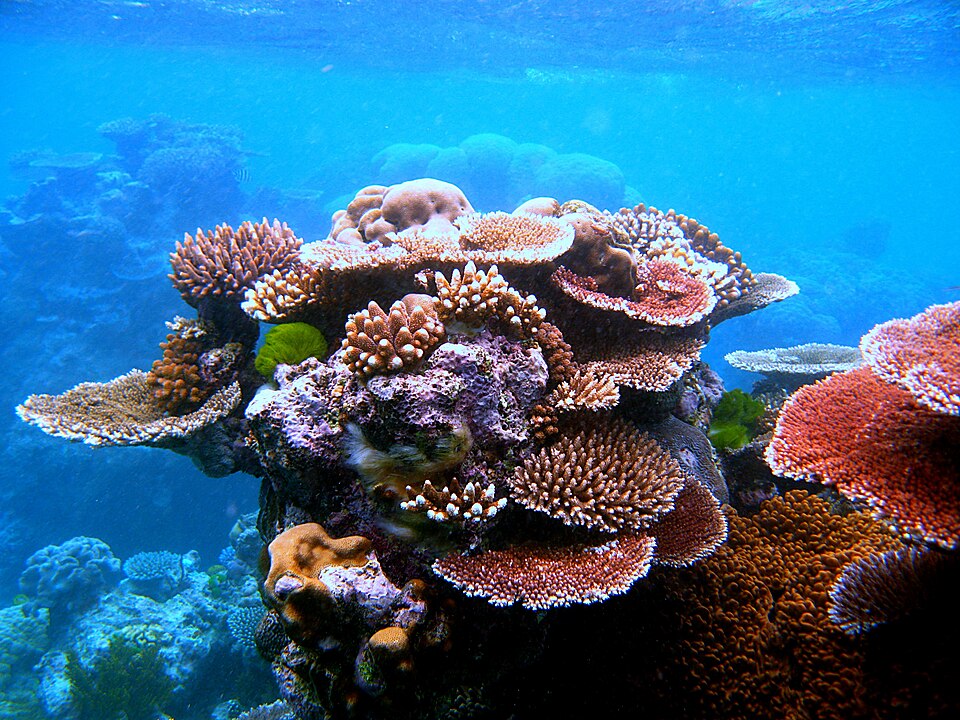
Best sites for beginners
- Bora Bora coral garden
- Moorea lagoons
- Protected sites of Tahiti
Which spots satisfy experienced divers seeking adventure?
The atolls of the Tuamotu attract with their spectacular passes, notably at Fakarava and Rangiroa, where pass diving and drift diving offer thrilling sensations. These sites attract schools of sharks, rays, and rare biodiversity.
Deep diving in coral passes allows observation of pelagic fish, gray sharks, hammerhead sharks, and sometimes manta rays, in a marine sanctuary classified as a biosphere reserve.
Exceptional spots for experienced divers
- Garuae Pass in Fakarava
- Tiputa Pass in Rangiroa
- Tuheiava Pass in Tikehau
How to observe the emblematic marine fauna and flora of Polynesia?
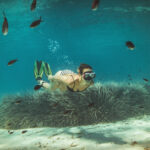
Observing marine fauna while diving or snorkeling allows admiring multicolored fish, reef sharks, rays, and turtles. Diving with turtles and diving in canyons reveal the beauty of coral and the diversity of the marine ecosystem.
Night diving reveals another facet of biodiversity, with species that only come out at night. Local guides share their knowledge of the nature reserve and marine sanctuary for an immersive experience.
What types of dives to experience for varied sensations and discoveries?
Drift diving offers a unique experience in the atoll passes, carried by the current among sharks and schools of fish. Technical diving is aimed at experienced divers seeking to explore walls or wrecks.
For enthusiasts, night diving and deep diving reveal unprecedented behaviors of marine fauna and flora. The variety of sites allows for constantly renewed underwater exploration.
A green turtle from Moorea was identified more than twenty years after its first observation during a dive on the same reef.
Quiz: Discover Diving in French Polynesia
Which Polynesian archipelagos are renowned for their diving spots?
Which island is ideal for a first dive in Polynesia?
Which spots are perfect for experienced divers seeking adventure?
How can one observe the emblematic marine wildlife in Polynesia?
Which diving experience is recommended for a first immersion?
To continue your discovery of underwater wonders, find in our selection of the best snorkeling destinations in the world other fascinating places to explore after your dive in French Polynesia.
What tips for a successful first dive in French Polynesia?
Choosing a beginner dive in a calm lagoon ensures a smooth entry into underwater exploration. Favoring a certified center allows you to benefit from professional supervision and suitable equipment. The support of experienced instructors guarantees safe progress in sites known for their accessibility.
Preparation before the dive includes an initiation in a pool or shallow water to get used to breathing and essential movements. The first exercises encourage a gradual immersion and adaptation to the marine environment. This step reassures and allows you to fully appreciate the biodiversity visible from the first meters.
Opting for reef diving in a nature reserve offers the opportunity to observe tropical fish, colorful corals, and sometimes rays in a preserved environment. The shallow depths and exceptional visibility contribute to an unforgettable first experience focused on local marine wildlife.
Recommended equipment for an optimal experience
A well-fitting mask, a comfortable snorkel, and suitable fins make snorkeling and discovering the lagoon easier. The wetsuit protects against the cold and contact with coral. A buoyancy vest and a quality regulator ensure a safe and enjoyable dive.
The importance of awareness of the marine ecosystem
Respecting the marine ecosystem is essential during any underwater exploration. Guides raise awareness about observing without contact with corals and preserving marine wildlife. Adopting a responsible attitude helps protect marine sanctuaries and ensures the sustainability of exceptional sites.
- Choose a certified diving center
- Prefer a first immersion in a lagoon
- Use appropriate equipment
- Respect marine fauna and flora
- Follow the advice of local guides
Why does French Polynesia attract diving enthusiasts so much?
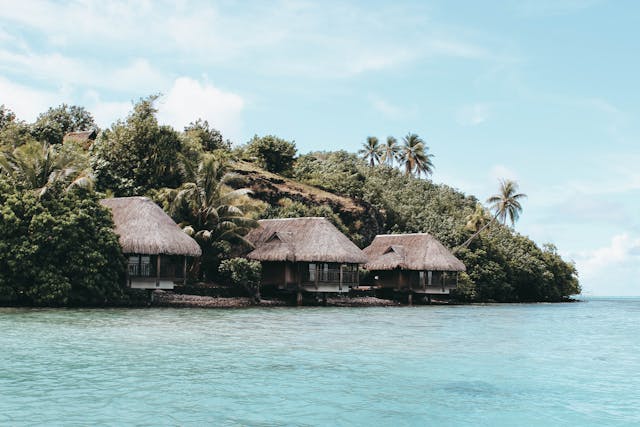
French Polynesia fascinates with the diversity of its sites, the richness of its marine fauna, and the beauty of its lagoons. Each dive offers unique encounters with sharks, rays, and multicolored fish in preserved marine sanctuaries. The underwater landscapes, between coral gardens and spectacular passes, invite unparalleled underwater exploration and observation of marine wildlife in the best conditions.
Practical FAQ to succeed in your diving experience in French Polynesia
What are the best times of the year to observe the great migration of manta rays and humpback whales in Polynesia?
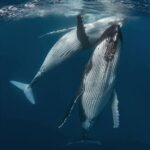
The ideal season to encounter manta rays extends from April to November, when the waters are particularly rich in plankton near the passes, especially in Rangiroa and Bora Bora. For observing humpback whales, prioritize the months from August to October around Moorea and Tahiti, a period when these marine giants come to give birth and rest in the warm Polynesian waters, offering unforgettable encounters for divers and snorkelers.
Is it possible to combine scuba diving and cultural immersion during a trip to French Polynesia?
Combining underwater exploration and authentic discovery of Polynesian culture is entirely possible. Many dive centers collaborate with local families or associations to organize outings including traditional meals, introductions to dance, or canoe navigation. This approach enriches the stay with genuine exchanges while deepening the understanding of the intimate relationship Polynesians have with their lagoon and marine environment.