Crystal-clear waters, colorful reefs, and fascinating marine life: Phu Quoc Island offers a unique experience for those dreaming of underwater escape. In the face of rising mass tourism, preserving the beauty of these landscapes becomes a major challenge for enthusiasts seeking authenticity. Living rare moments, observing majestic turtles, and enjoying exceptional visibility, all while respecting the ecosystem, is the guiding thread that will lead you to a responsible and unforgettable adventure, punctuated by practical advice and memorable encounters.
What makes snorkeling in Phu Quoc a must?
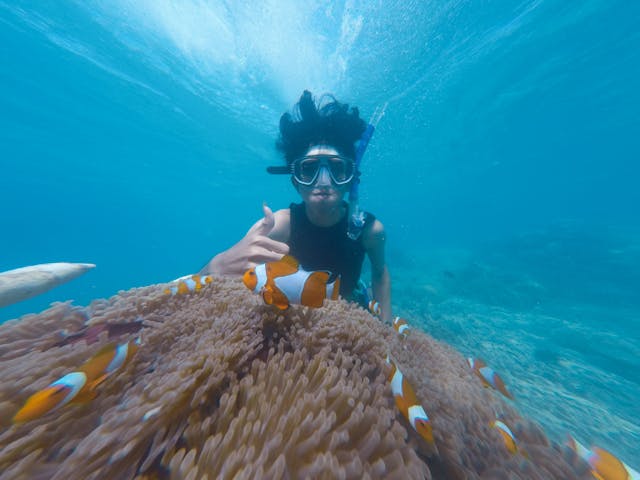
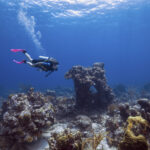
The crystal-clear waters of Phu Quoc Island offer remarkable visibility, ideal for snorkeling and reef exploration. Marine biodiversity reveals itself with each dive, featuring tropical fish, turtles, and colorful wildlife. The underwater adventure is accessible at all levels thanks to suitable dive sites, even accessible to beginners.
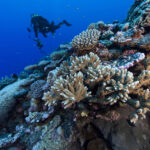
The dry season, from November to April, guarantees calm waters and visibility over 10 meters, perfect for diving and snorkeling. Marine landscapes reveal intact corals, spectacular reef formations, and preserved underwater flora. The sites of the An Thoi archipelago and Hon Dam Ngang are among the most renowned.
Marine life conservation remains at the heart of local practices: respect for the ecosystem, involvement in preservation activities, and guidance by experienced instructors. Each outing raises awareness of the fragility of this exceptional environment.
The main advantages of snorkeling in Phu Quoc
- Exceptional visibility thanks to crystal-clear waters
- Richness of marine biodiversity
- Accessibility for all levels
- Professional supervision and optimal safety
- Ideal period during the dry season
Which sites to choose to explore marine fauna and flora?
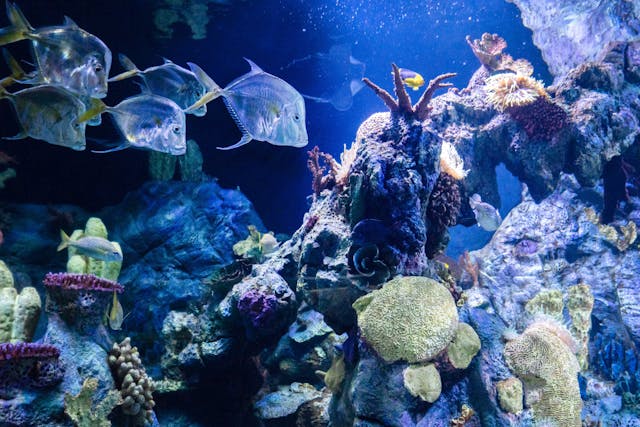
The sites of Phu Quoc captivate with their diversity: the An Thoi archipelago, Turtle Island, and Hon Dam Ngang reveal a rich habitat where marine life flourishes. The reefs shelter fish, seahorses, blacktip sharks, and sea turtles. The reef formations offer a colorful spectacle, perfect for exploration.
Each site has its own characteristics: Hon Mong Tay attracts with its coral gardens, Hon Thom enchants with its underwater caves and tranquil lagoons. Pineapple Island displays varied flora and paradisiacal beaches. These places guarantee an authentic adventure in Vietnam.
Scuba diving allows observation of marine life in a preserved environment, where the balance between fauna and flora remains intact. Each exploration contributes to a better understanding of this unique ecosystem.
Some must-visit dive sites in Phu Quoc
- An Thoi Archipelago: diversity of corals and fish
- Hon Dam Ngang: colorful reefs and turtles
- Hon Mong Tay: coral gardens and seahorses
- Hon Thom: caves and lagoons
- Pineapple Island: beach and marine wildlife
How to prepare for a snorkeling trip on Phu Quoc Island?
A successful snorkeling trip starts with the right equipment: mask, snorkel, fins, light wetsuit, flashlight for exploring caves, and waterproof camera to capture the wildlife. Local dive centers provide all necessary gear and ensure safety.
Experienced guides accompany each group, guaranteeing a calm and informative experience. The high visibility allows effortless observation of tropical fish, reefs, and turtles in the calm waters of the beach. Following the guidelines helps preserve biodiversity.
Responsible practice means not touching the corals, respecting marine life, and favoring conservation activities. Every outing is part of a sustainable approach, essential to protecting the marine life of Phu Quoc.
Which species and formations to observe during a dive in Phu Quoc?
The wildlife observable in Phu Quoc amazes with its diversity: sea turtles, seahorses, tropical fish, blacktip sharks thrive among the reefs. The multicolored corals create unique underwater landscapes.
The reef formations are one of the main attractions, with coral gardens and caves housing varied flora. Scuba diving and snorkeling allow close encounters with this marine life in preserved waters.
Each immersion in Phu Quoc promotes awareness of conservation: guides and centers encourage ecosystem protection and participation in cleanup actions to preserve the magic of diving.
Iconic species to encounter underwater
- Sea turtles
- Tropical fish and clownfish
- Seahorses
- Blacktip sharks
- Multicolored corals
- Rare and preserved marine wildlife
A diver recently observed a sea turtle swimming peacefully just a few meters from the shore, illustrating the richness of Phu Quoc’s marine life.
Quiz: Discovering Diving in Phu Quoc
What is the main advantage of snorkeling in Phu Quoc?
Which site is famous for its coral gardens and seahorses?
What is the ideal period for diving in Phu Quoc?
Which emblematic species can be encountered during a dive in Phu Quoc?
What is an essential tip for a first dive in Phu Quoc?
What advice for a first supervised dive in Phu Quoc?
A first supervised dive in Phu Quoc takes place in reassuring conditions thanks to certified instructors and certified centers. Personalized welcome encourages confidence building and learning essential skills. The initiation usually begins with a session explaining safety, equipment use, and underwater communication. The island’s crystal-clear waters allow you to evolve in a calm environment, ideal for beginners.
Groups are limited to ensure individual attention. The first immersions take place in shallow areas where visibility facilitates observation of tropical fish and corals. Professional supervision ensures progressive learning while raising awareness of marine wildlife conservation and respect for biodiversity.
Choosing the right diving center
Phu Quoc diving centers meet international standards. They offer training adapted to all levels and provide checked equipment. Choosing a recognized center guarantees optimal safety and a rewarding experience.
Underwater breathing techniques
Learning controlled breathing underwater is a fundamental step. Practical exercises help manage rhythm and fully enjoy reef exploration without stress. This skill improves both scuba diving and snorkeling.
Respect for marine ecosystems
Instructors emphasize the importance of not touching corals and keeping a distance from marine life. Preserving the local ecosystem relies on simple gestures and responsible behavior, promoting the conservation of marine wildlife.
Stress Management and Environmental Adaptation
The sensations in crystal-clear waters can be impressive during the first dives. Guides help manage stress, adapt to pressure, and progress calmly. Personalized support facilitates the discovery of diving and encourages self-confidence.
- Choose a certified center in Phu Quoc
- Follow a theoretical and practical initiation
- Opt for a first dive in a small group
- Use suitable and checked equipment
- Respect safety and preservation instructions
Why Does Diving in Phu Quoc Attract So Many Explorers?
The appeal of Phu Quoc lies in the diversity of its dive sites, the richness of its marine life, and the quality of its crystal-clear waters. The experiences lived on the island leave a lasting impression on travelers. Diving in Phu Quoc opens the door to fascinating encounters with turtles, seahorses, and tropical fish, while raising awareness about the conservation of local biodiversity.
Frequently Asked Questions About Diving in Phu Quoc
Is diving in Phu Quoc suitable for children or families?
You will find many options adapted for families and children, including initiation sessions in pools or shallow waters, supervised by experienced instructors. Local providers prioritize safety and offer suitable equipment, allowing the youngest to discover the underwater world with confidence.
Can diving be practiced year-round in Phu Quoc?
The best season to explore the seabed extends from November to April, when the waters are calm and visibility is optimal. However, some sites remain accessible even during the rainy season, provided you check with local centers about current conditions.
What souvenirs to bring back from a diving experience in Phu Quoc?
Beyond the images captured underwater, you will leave with the memory of unique marine encounters and exchanges with locals involved in ecosystem preservation. These privileged moments offer a new perspective on the beauty and fragility of the Vietnamese underwater world.
To discover other fascinating places to explore the underwater world after your diving experience in Vietnam at Phu Quoc, feel free to check out the 12 best snorkeling destinations in the world which will offer you equally remarkable underwater panoramas.