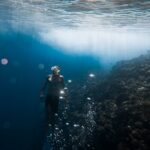
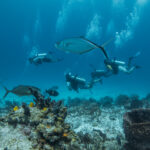
Dream of turquoise waters, multicolored corals and unforgettable marine encounters: Indonesia fascinates enthusiasts seeking extraordinary underwater sensations. Between strong currents, rare fauna, and preserved reefs, choosing the right spot becomes a challenge given the vastness of the archipelago. Knowing where and when to go, which sites to prioritize according to your level, how to prepare a safe trip and fully enjoy every moment is the key to turning a simple trip into a memorable experience.
What are the most renowned diving sites in Indonesia and their specificities?

Biodiversity makes Indonesia a key destination for diving enthusiasts. More than 17,000 islands harbor unmatched marine biodiversity, with 1,427 species of reef fish and 600 species of corals. Must-see sites include Bali, Komodo, Raja Ampat, Bunaken, Misool, and Nusa Penida.
Detailed comparison of the main diving sites
| Site | Type of dives | Biodiversity | Access |
|---|---|---|---|
| Bali | Wreck, macro, pelagic | 700 corals, 3,000 fish | Direct flight Denpasar |
| Komodo | Currents, pelagic, mantas | 1,000 fish, 260 corals | Flight Bali-Labuan Bajo |
| Raja Ampat | Macro, mantas, reefs | 1,500 fish, 600 corals | Flight Jakarta-Sorong |
| Bunaken | Vertical walls, macro | Tropical fish, turtles | Flight Manado, boat |
| Nusa Penida | Rays, mola mola | Mantas, pelagic fish | Boat from Bali |
Divers of all levels find dives suited to their experience, with varied currents and exceptional visibility depending on the sites. Each island offers a unique experience, from macro life to encounters with sharks and rays.
Underwater biodiversity is fully expressed at Komodo and Raja Ampat, where preserved reefs, schools of pelagic fish, and rare fauna are observed. These sites rank among the richest in the world for aquatic life enthusiasts.
Advantages of major diving spots
- Raja Ampat: World record for fish diversity in a single dive
- Bali: Wreck accessible for beginners and abundant pelagic life
- Komodo: Cleaning stations for manta rays and sharks
- Bunaken: Vertical walls and turtle observation
- Nusa Penida: Encounters with mantas and mola mola
How to choose the diving spot suited to your level and expectations?
Diving in Indonesia varies according to divers’ expectations and experience. Beginners favor Bali, Nusa Penida, or Lombok for safety and accessibility. Thrill seekers explore the strong currents of Komodo and Alor.
Currents and visibility vary according to the season. In Bali, the best period extends from April to October, with water temperatures of 23-26 °C. In Komodo, the optimal season runs from May to October, with visibility from 15 to 40 meters and a temperature of 27-28 °C.
Coral reefs sheltering diverse wildlife, manta rays, white-tip sharks, and turtles are visible at various sites. Accompaniment by a qualified guide ensures an optimal discovery of biodiversity while respecting safety.
Criteria for selecting your diving spot
- Required skill level
- Seasonality and weather conditions
- Type of wildlife and experiences sought
- Logistical accessibility
- Services offered by local hotels or clubs
What unique experiences does diving in Indonesia offer to marine life lovers?

Indonesia offers spectacular dives: historic wrecks, colorful reefs, encounters with manta rays, and shark observation. Islands like Raja Ampat reveal unparalleled biodiversity, conducive to wonder.
Terrestrial biodiversity enriches the adventure. Between dives, exploring the islands reveals waterfalls, volcanoes, white sandy beaches, and tropical forests. The terrestrial flora and fauna complete the magic of each stay.
Hotels and eco-resorts offer immersive stays, with direct access to dive sites and services tailored to divers. The experience is also lived through contact with local communities, blending traditions and hospitality.
What advice for preparing a diving trip to Indonesia safely?
Preparation of equipment and adherence to safety instructions ensure a peaceful dive. Use of a GPS or Nautilus Lifeline, equipment checks, and respect for local rules are essential to enjoy biodiversity in complete tranquility.
Do not touch the corals or feed the fish preserves underwater biodiversity and guarantees the sustainability of the sites. Local guides raise divers’ awareness about protecting wildlife and reefs.
Specialized insurance, an up-to-date dive logbook, and selecting a recognized hotel or club facilitate trip organization. Infrastructure in Indonesia offers quality services for all diver profiles.
An expedition to Raja Ampat can reveal up to 374 different fish species in a single dive, a documented world record.
Top Diving Spots in Indonesia: Quiz
Which site is renowned for its exceptional biodiversity with a world record of fish in a single dive?
Which site is known for its mantas, sharks, and cleaning stations?
Which site is ideal for beginners thanks to its accessible wrecks and abundant pelagic life?
Which region offers the best visibility between October and April, with very active biodiversity?
What are the best times to dive in Indonesia according to the regions?
seasonchoice directly influences the quality of diving in Indonesia. Optimal periods vary depending on the islands and sites. In Raja Ampat, the best visibility extends from October to April, a period when currents are moderate and biodiversity very active. In the Komodo region, the dry season from May to October offers ideal conditions, with increased visibility and less rainfall.
experienceddivers prefer the shoulder seasons to avoid crowds and enjoy more abundant wildlife near the reefs. To observe manta rays at Nusa Penida, favor the months from July to October. Proper planning maximizes the chances of encountering exceptional underwater biodiversity and enjoying an immersive experience.
Comparison of Diving Seasons in Indonesia
| Region | Optimal Period | Water Temperature | Highlights |
|---|---|---|---|
| Raja Ampat | October to April | 28-30 °C | Visibility, reefs, biodiversity |
| Komodo | May to October | 27-28 °C | Currents, mantas, sharks |
| Bali | April to October | 23-28 °C | Wrecks, macro, rays |
| Alor | May to November | 26-28 °C | Currents, rare fauna |
| Bunaken | June to October | 27-29 °C | Walls, turtles, macro |
Influence of Currents on Observed Biodiversity
strongcurrents stimulate the presence of pelagic fish and rays in certain areas. Experienced divers appreciate the diversity created by these marine movements, notably in Komodo and Alor. Beginners choose more sheltered sites to enjoy optimal visibility and accessible wildlife.
Impact of Weather on Underwater Visibility
visibility depends on rainfall and the season. During the dry season, the water remains clear, revealing corals and biodiversity. Conversely, the wet season can reduce clarity but sometimes offers unique encounters with migratory species.
Choosing the Region Based on the Type of Wildlife Sought
choixdelarégion guides the observation of certain species. Manta rays abound in Nusa Penida and Komodo, while sharks and schools of fish are more common in Raja Ampat. Macro enthusiasts favor Bali or Bunaken for the richness of small organisms.
Tips for Planning a Diving Cruise
croisière allows access to isolated sites and multiplies encounters with marine biodiversity. Routes vary depending on the season and targeted species. Booking in advance for peak periods guarantees a hotel or boat suited to your expectations.
- Check local weather forecasts
- Assess your level before choosing a site
- Favor low-traffic periods
- Verify current conditions
- Book accommodation and cruise in advance
Why Does Indonesia Attract Divers from Around the World?
indonésie captivates with the diversity of its sites, the richness of its biodiversity, and the quality of its reefs. Divers discover unique underwater landscapes, rare species, and authentic experiences that transform the vision of the aquatic world. Encounters with local wildlife and the warm hospitality of the inhabitants enhance the appeal of each stay.
FAQ for an Unforgettable Diving Experience in Indonesia
What are the procedures for diving in Indonesian national parks?
To access protected sites such as Komodo or Raja Ampat, it is necessary to obtain a specific diving permit, usually issued by local clubs or included in cruise packages. This procedure supports the preservation of ecosystems and ensures supervision by experienced guides.
How to experience cultural immersion during a diving trip?
Taking the time to stay in traditional villages, participate in local markets, or share a meal with the inhabitants enriches the adventure beyond diving. Many ecolodges encourage encounters with communities, offering a deeper understanding of the Indonesian way of life.
Can diving be combined with other nature activities in Indonesia?
Many regions allow alternating between diving and hiking on volcanoes, walks in tropical forests, or exploring waterfalls. This diversity of activities creates a balance between land discovery and underwater exploration, for varied and authentic memories.
To extend your discovery of underwater wonders after exploring the top diving spots in Indonesia, feel free to check out the 12 best snorkeling destinations in the world to diversify your aquatic experiences and admire fascinating biodiversity in other regions of the globe.