Do you dream of turquoise waters bathed in light, teeming coral reefs, and unforgettable marine encounters, far from crowds and mass tourism? Kisite Marine Park, a true jewel of the Kenyan coast, offers a preserved ecosystem where marine life shines brilliantly. Here, every dive reveals the magic of a protected site, the diversity of its species, and the authenticity of an experience shared with local communities.
For those seeking to combine adventure and respect for nature, this place promises unique memories. Follow the expert advice to organize your stay, choose the right accommodation, and fully experience the richness of Kisite, between human encounters and exceptional underwater shows.
What are the specific features of Kisite Marine Park and why does it attract divers?
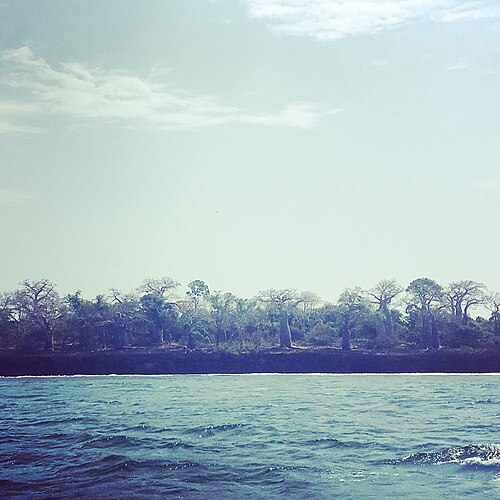
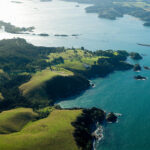
Kisite Marine Park is located in southern Kenya near the Tanzanian border, about 120 kilometers from Mombasa. This warm environment offers a pleasant annual temperature ranging from 22 to 35 degrees Celsius, ideal for diving and snorkeling. The area stands out for its paradisiacal islands, preserved seabeds, and colorful coral reefs.
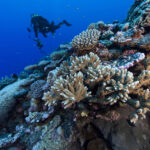
Classified since 1973, the marine park covers 39 square kilometers, hosting remarkable biodiversity with over 360 species of fish, corals, and varied fauna. Resident dolphins, green and hawksbill turtles, as well as reef sharks, are among the frequent encounters during underwater excursions. Optimal visibility conditions, especially from October to March, enhance the appeal for scuba diving.
Management of the park by the Kenya Wildlife Service ensures a protected ecosystem, conducive to discovering marine life in an environment little impacted by mass tourism. Access is via the A109 road followed by a boat transfer, already offering a taste of adventure. Divers appreciate the diversity of dive sites suitable for all levels.
Main features of Kisite Marine Park
- Privileged location: Coastal area in southern Kenya, near Tanzania
- Pleasant climate: Annual temperatures from 22 to 35 degrees Celsius
- Coral reefs: Gentle slopes from 2 to 32 meters deep
- Biodiversity: Over 360 species of fish and numerous corals
- Responsible management: Supervision by the Kenya Wildlife Service
Which marine species can be observed during a scuba dive at Kisite?
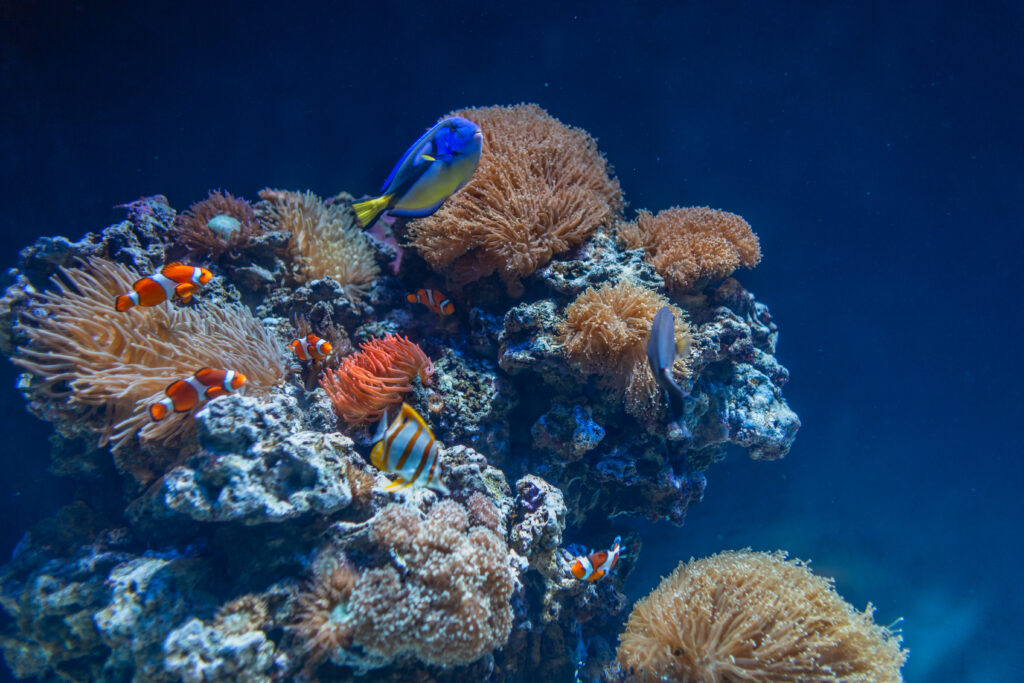
The marine fauna of Kisite stands out for its richness and the diversity of fish present on the coral reefs. The dives reveal schools of snappers, fusiliers, parrotfish, angelfish, and butterflyfish. Reef sharks, green and hawksbill turtles, as well as humpback dolphins, long-beaked dolphins, and bottlenose dolphins, are among the regular encounters.
The seabeds of Kisite also shelter starfish, octopuses, sponges, and transparent shrimps. The humpback whale watching season runs from July to December, offering a unique spectacle for marine life enthusiasts. Soft corals, oysters, and batfish can be seen at sites like “Secret Place”.
The presence of many migratory bird species, such as terns and plovers, adds to the ecological interest of the park. Each dive represents an exploration of the marine ecosystem, revealing fascinating interactions between different forms of life.
Iconic Marine Species of Kisite
- Butterflyfish and angelfish
- Reef sharks and green turtles
- Resident dolphins
- Humpback whales in season
- Starfish, octopuses, sponges, shrimps
How to Organize a Beginner or Experienced Dive at Kisite?
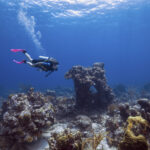
Beginner diving at Kisite is suitable for both beginners and experienced divers. Several dive sites are accessible, including Inner Kisite, Kisite Point, Kisite Garden, Kisite West for beginner dives, and Nyuli for experienced diving profiles. Depths range from 2 to 32 meters, allowing observation of marine life at different levels.
Trips start with a sail on a traditional dhow, followed by one or two dives with provided diving equipment. Packages often include transfer, equipment, two dives, and lunch on Wasini Island, with a rate around 225 US dollars per person. After diving, enjoy fresh seafood, white wine or local beer, then relax in a lounge with tea, coffee, and pastries.
The best season to organize diving or snorkeling extends from October to March, when the sea is calm and visibility is optimal. From June to August, the sea can be rougher and visibility reduced, which guides the choice of period according to divers’ expectations.
Which Accommodations and Complementary Activities to Choose Around Kisite Park?
Accommodations near Kisite Marine Park offer varied experiences, from the comfort of Wasini Mpunguti Lodge to the authenticity of Wasini Island Bandas or the relaxation of Blue Monkey Beach Cottages. Wasini Raha Stay offers excellent value less than half a kilometer from the dock, facilitating access to dive sites.
After diving, discovering the local cuisine on Wasini Island is accompanied by activities such as visiting Swahili villages, boat rides to observe dolphins or migratory birdlife. Marine ecosystem enthusiasts appreciate snorkeling trips, ideal for exploring coral reefs without tanks.
To extend the adventure, it is possible to organize a safari to Maasai Mara, Amboseli, or Tsavo, or cross the border into Uganda to observe gorillas in Bwindi National Park. Each option complements the immersive experience in the natural richness of East Africa.
Selection of Accommodations Around Kisite
- Wasini Mpunguti Lodge 0.04 km from the park
- Wasini Island Bandas for an authentic immersion
- Blue Monkey Beach Cottages at 0.39 km
- Wasini Raha Stay at 0.44 km for value for money
One November morning, divers encountered a pod of more than 50 humpback dolphins swimming above the coral reefs, a rare and memorable spectacle in the heart of Kisite Marine Park.
Quiz: Discover Kisite Marine Park
What is the ideal annual temperature for diving in Kisite?
Which iconic marine species can be observed seasonally in Kisite?
What is the best time to go diving in Kisite?
What additional activity can you do after diving in Kisite?
Water skiing
What advice for properly preparing a first dive in Kisite Marine Park?
Before exploring the seabeds of Kisite Marine Park, thorough preparation optimizes safety and enjoyment. Prioritizing a check of the diving equipment helps avoid any surprises during the immersion. Local centers offer introductory sessions to adapt to the warm environment and the diversity of marine life observed. For those new to diving, a short training on equipment use and safety rules ensures a calm experience.
Acclimating to the coastal climate and adjusting equipment are essential to fully enjoy the dive sites. Planning appropriate sun protection, regular hydration, and respecting local life promote a harmonious stay. Local operators provide personalized advice according to the level, whether for beginner or experienced diving.
Choosing the right dive center
Opting for a recognized center guarantees the quality of supervision and the reliability of diving equipment. Certified instructors know the coral reefs perfectly and tailor outings to each profile. Traveler reviews help identify the most professional establishments.
Respecting the marine ecosystem
Preserving biodiversity and the beauty of the seabeds involves simple actions. Do not touch the corals, avoid feeding marine life, and limit the use of chemical products to protect this unique ecosystem. Guides remind of best practices for responsible diving.
Inquire About Weather Conditions
Underwater visibility closely depends on weather conditions. Checking the sea state and the whale or dolphin watching season before the outing maximizes the chances of exceptional encounters. Calm periods offer more enjoyable dives.
Appreciate the Local Cultural Richness
Discovering the Kisite Marine Park comes with privileged contact with Swahili communities. Participating in a village visit or sharing a traditional meal enriches the experience. Interaction with locals complements the exploration of the seabed with an authentic cultural immersion.
- Checking equipment and necessary documents
- Choosing a certified diving center
- Respecting environmental guidelines
- Consulting the local weather
- Discovering Swahili traditions
Why Does Diving at Kisite Marine Park Attract Enthusiasts from Around the World?
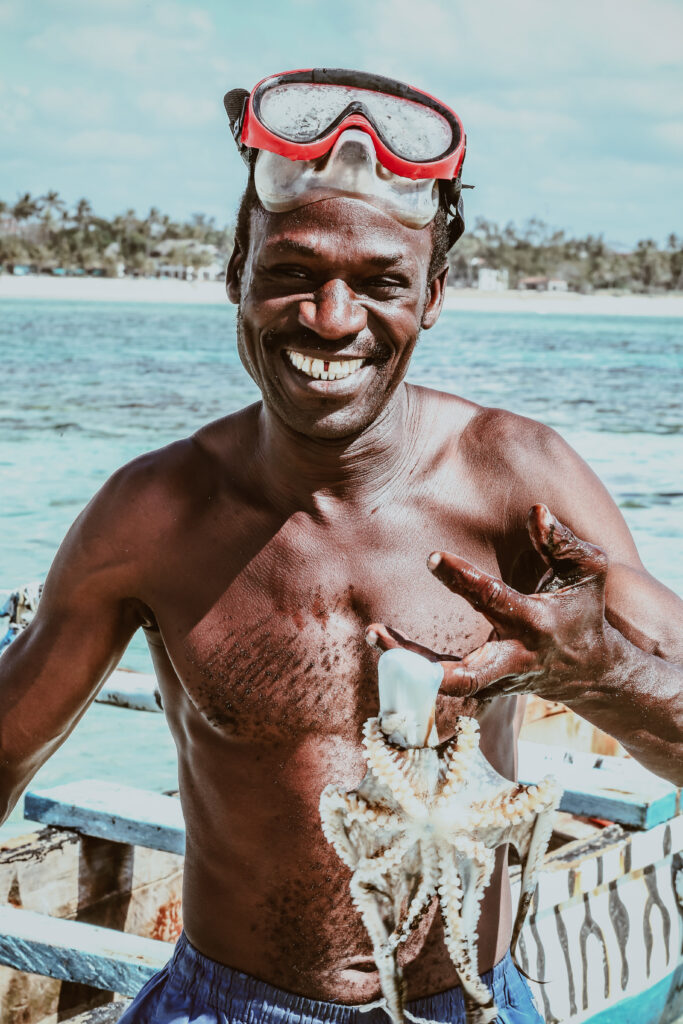
Kisite Marine Park attracts visitors with the diversity of its marine life, the clarity of its seabeds, and the quality of dive sites accessible to all. The experience combines adventure, discovery, and respect for a protected ecosystem. Each immersion reveals the beauty of coral reefs, the presence of dolphins, turtles, or whales, and offers a unique sense of escape in a preserved natural setting.
Practical FAQ to Enrich Your Diving Experience at Kisite
How to combine scuba diving and cultural discovery around Kisite Park?
Combining underwater exploration and cultural immersion is very accessible around Kisite Marine Park. After your dives, take the time to visit the neighboring Swahili villages where the warm welcome allows you to exchange around culinary, artisanal, and musical traditions. Some local operators even include stops at markets or family homes, offering an authentic glimpse into island life.
What souvenirs to bring back from a stay around Kisite Marine Park?
Travelers particularly appreciate local handicrafts such as beaded jewelry, colorful kanga fabrics, or ebony wood sculptures. Choosing souvenirs handmade by local communities supports the region’s economy while maintaining a tangible connection to the experience lived. Underwater photos also remain a memorable souvenir, showcasing the untouched beauty of the reefs and fascinating animal encounters.
To extend your discovery of underwater wonders after scuba diving in Kenya’s Kisite Marine Park, feel free to check out our selection of the best snorkeling destinations in the world to plan your next aquatic adventures.