Unique sensations, preserved nature, and intense experiences await those who dream of escape far from the beaten path. Facing Phang Nga Bay means feeling the call of the open sea, the promise of memorable encounters and moments suspended beneath the surface. Many seek an authentic break, away from the hustle and bustle, to reconnect with the raw beauty of Thailand and its breathtaking underwater landscapes.
However, it is not always easy to know how to prepare, nor how to fully enjoy the richness of these seabeds without harming their fragile balance. I propose to share my feedback, mixing practical advice and reflections on responsible tourism, to guide you step by step towards a memorable adventure in one of the country’s most beautiful natural jewels.
Why is Phang Nga Bay a flagship destination for diving in Thailand?
Diving in Phang Nga Bay attracts underwater landscape enthusiasts from around the world. This region of Thailand stands out for its preserved coral reefs and marine life of rare diversity, offering a total immersion in a fascinating marine universe.
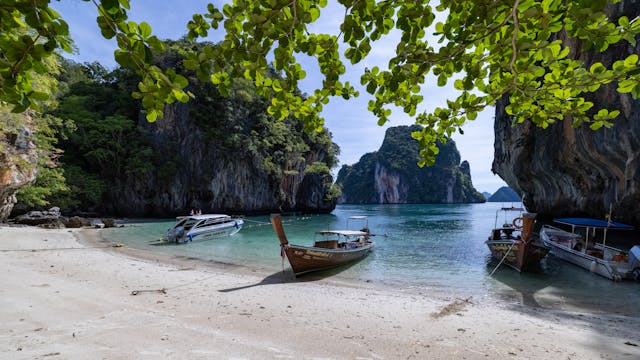
Accessible by boat from Phuket or Khao Lak, the bay is full of spectacular islands, mysterious caves, and secret lagoons. The limestone cliffs carve an impressive natural setting, creating an ideal place for nature and adventure lovers.
The major assets of Phang Nga Bay
- Unique panoramas between limestone cliffs and crystalline waters
- Snorkeling and kayaking sites accessible to all
- Encounters with exceptional biodiversity
- Exploration of preserved caves and lagoons
- Excursions led by experienced guides
What aquatic experiences to live during an excursion in Phang Nga Bay?
An excursion in this bay combines discovery, diving, and aquatic activity in a protected natural environment. Surface diving allows observing marine life, vibrant coral reefs, and tropical fish with bright colors.

The boats lead to islands like Hong, Panyee, or Khai, where nature expresses itself through calm lagoons and caves accessible only by kayak. The panorama is breathtaking, perfect for photography and exploration enthusiasts.
Must-do aquatic activities
- Snorkeling on white sandy beaches
- Kayaking in natural cavities
- Boat ride around karst formations
- Observation of marine life in coral reefs
- Guided tour of caves and lagoons
Which must-see natural sites to explore during a visit?
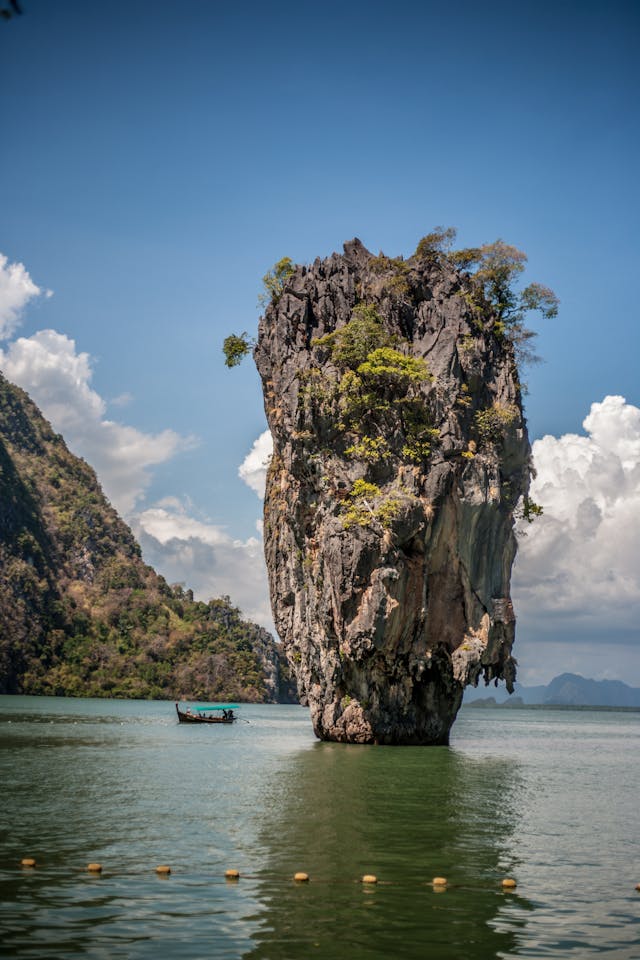
Among the natural sites not to be missed, James Bond Island, also called Koh Tapu, stands out for its spectacular limestone formation made famous by cinema. The visit also includes Hong Island, known for its beaches and turquoise lagoons.
Other sites such as Panyee Island, with its floating village, or Tham Lot, a cave crossed by water, offer a unique discovery of Phang Nga province and its geological mysteries. Each excursion reveals a preserved environment where nature reigns supreme.
What does a typical day look like during an excursion in Phang Nga Bay?
The day begins with an air-conditioned minivan transfer, followed by a thirty-minute safety briefing. The boat cruise offers a continuous panorama of the limestone cliffs and iconic islands of the bay.
Stops allow for snorkeling, kayaking, and discovering secret caves. A Thai lunch is served in a picturesque natural site, offering a gourmet break in the heart of nature.
What is the best time to enjoy the underwater landscapes of Phang Nga Bay?
The best period for diving in the bay extends from November to April, during the dry season. The crystal-clear waters ensure optimal visibility to admire marine life and coral reefs.
Phang Nga province enjoys a pleasant climate all year round, but the dry season maximizes safety and the beauty of underwater landscapes. Excursions remain accessible and comfortable thanks to the local tourist infrastructure.
During the visit to James Bond Island, the iconic rock measures nearly twenty meters high and seems to defy the laws of balance, creating an unforgettable scene for every visitor.
Quiz: Discover Phang Nga Bay and Its Underwater Landscapes
Why is Phang Nga Bay a preferred destination for diving?
Which water activity allows exploring natural cavities in the bay?
Which iconic natural site is famous for its spectacular limestone formation?
What is the best period to fully enjoy underwater visibility?
What essential advice should be followed for a first dive in the bay?
Diving in Thailand’s Phang Nga Bay allows you to explore unique underwater landscapes; if you want to broaden your aquatic horizons, also discover the best snorkeling destinations in the world to experience other fascinating adventures.
What advice for preparing a first dive in Phang Nga Bay?
Preparing for a dive in Phang Nga Bay starts with choosing a certified center, ensuring safety and professional supervision. Beginners can opt for an initiation or a baptism dive, benefiting from experienced instructors and suitable equipment. Thailand offers recognized training accessible to all levels, to explore underwater landscapes with confidence.
Before the excursion, checking the equipment condition, mask fit, and regulator quality is essential to fully enjoy the dive. Local guides share valuable recommendations about the fauna, flora, and specifics of coral reefs, allowing for a rewarding immersion. Respecting the marine environment remains a priority, with every action contributing to preserving marine life and the beauty of the sites.
To optimize the experience, favoring a small group excursion promotes personalized discovery and limits impact on biodiversity. Weather conditions, visibility, and sea temperature vary according to the season, influencing the choice of site and immersion duration. Careful observation of the instructor’s instructions ensures a calm and memorable experience.
Choosing the Right Time for a First Experience
The dry season, from November to April, offers crystal-clear waters ideal for a first dive or snorkeling outing. Currents remain moderate and underwater visibility sometimes reaches twenty meters, making the exploration of coral reefs accessible even to beginners. This period guarantees optimal conditions to observe marine life and enjoy the unique panorama of the bay.
Getting Familiar with the Local Fauna and Flora
Phang Nga Bay is home to remarkable biodiversity: clownfish, moray eels, colorful nudibranchs, and sometimes turtles cross the paths of divers. The coral reefs also host rare species, while caves and lagoons reveal spectacular coral formations. Observing without touching ensures the preservation of this exceptional environment.
- Check the certification of the diving center
- Prepare equipment suitable for the season
- Choose an experienced instructor
- Follow safety instructions
- Observe wildlife without disturbing the ecosystem
How Can Diving in Phang Nga Bay Transform Your View of Travel?
An underwater exploration in Phang Nga Bay opens the door to an authentic discovery of nature and invites a rethink of the relationship with the environment. Observing biodiversity and coral reefs raises awareness of the fragility of marine ecosystems, encouraging more responsible travel. Each dive in this province of Thailand becomes an unforgettable experience, transforming the perception of the world and awakening a lasting fascination for the sea and marine life.
Practical FAQ on Diving and Exploration in Phang Nga Bay
Can you dive in Phang Nga Bay without prior experience?
Phang Nga Bay welcomes both beginner and experienced divers. Local centers offer introductions accessible to all and beginner dives supervised by certified instructors, ensuring a safe experience even for those who have never dived before.
What specific equipment is recommended for exploring the caves and lagoons of the bay?
For a comfortable exploration, plan a well-fitting mask, a quality snorkel, and soft fins. A flotation vest can be useful when kayaking through the caves. Guides generally provide all necessary equipment, but bringing your own gear ensures optimal fit.