Let yourself be enchanted by the magic of the Canary Islands’ underwater world, where crystal-clear waters and exceptional wildlife blend with unique volcanic landscapes. Between mysterious wrecks, colorful reefs, and unforgettable marine encounters, each dive promises an intense sensory adventure. Given the diversity of sites and the richness of marine life, it becomes essential to carefully prepare your stay, choose the ideal period, and respect safety rules to experience an adventure that is both intense and responsible. This guide accompanies you through every step, from practical advice to spot selection, to transform your vision of underwater travel.
Why are the Canary Islands a benchmark for scuba diving?
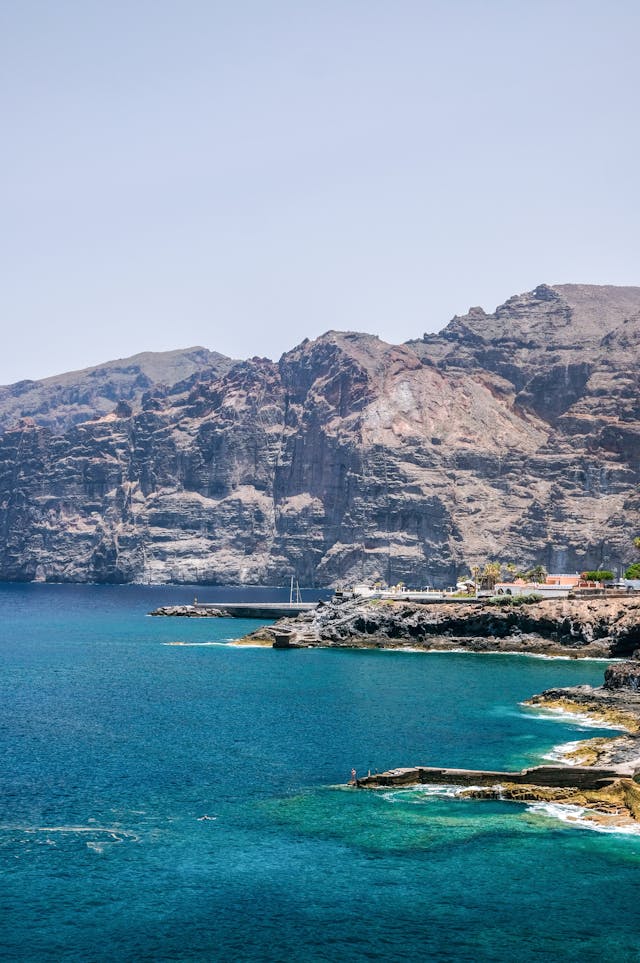
Diving in the clear waters of the Canaries offers a unique exploration ground in Europe. The biodiversity is remarkable, with sites suitable for all levels, from beginner divers to experienced ones. The seabeds are renowned for their exceptional visibility, often exceeding thirty meters, allowing observation of a wide variety of marine species.
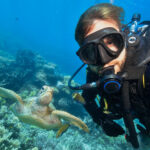
Historic wrecks, volcanic reefs, mysterious caves, and lava-carved tunnels offer unforgettable scuba diving experiences. Marine fauna and flora abound, from turtles to manta rays, including schools of barracudas and seahorses. Water temperatures range between 17 and 24 degrees Celsius year-round, making diving possible in all seasons.
The major advantages of the Canaries for diving
- Visibility over thirty meters
- Constant and pleasant water temperature
- More than five hundred fish species recorded
- Presence of cetaceans and numerous rays
- Unique volcanic underwater topography
- Many protected sites and marine reserves
What are the iconic diving sites to explore in the archipelago?
Each island offers scuba diving sites with its own identity. In El Hierro, the El Bajón spot stands out for its underwater volcanic mountains and diverse fauna, while La Mar de Las Calmas attracts enthusiasts of deep and technical diving. Tenerife captivates with La Rapadura, ranked among the best spots worldwide, and its waters rich in green turtles.
Lanzarote offers the Museo Atlántico, a unique underwater museum in Europe. Gran Canaria impresses with its wrecks and forty species of rays. La Graciosa and Fuerteventura provide rock labyrinths and spectacular rocky walls. La Palma and La Gomera complete the panorama with deep sites and remarkable biodiversity.
Must-see spots not to be missed
- El Bajón and La Mar de Las Calmas in El Hierro
- La Rapadura and Abades in Tenerife
- Museo Atlántico in Lanzarote
- Puerto Morgán and the wrecks of Gran Canaria
- La Burrera in La Graciosa
- Veril Grande in Fuerteventura
How are the underwater fauna and flora of the Canaries characterized?
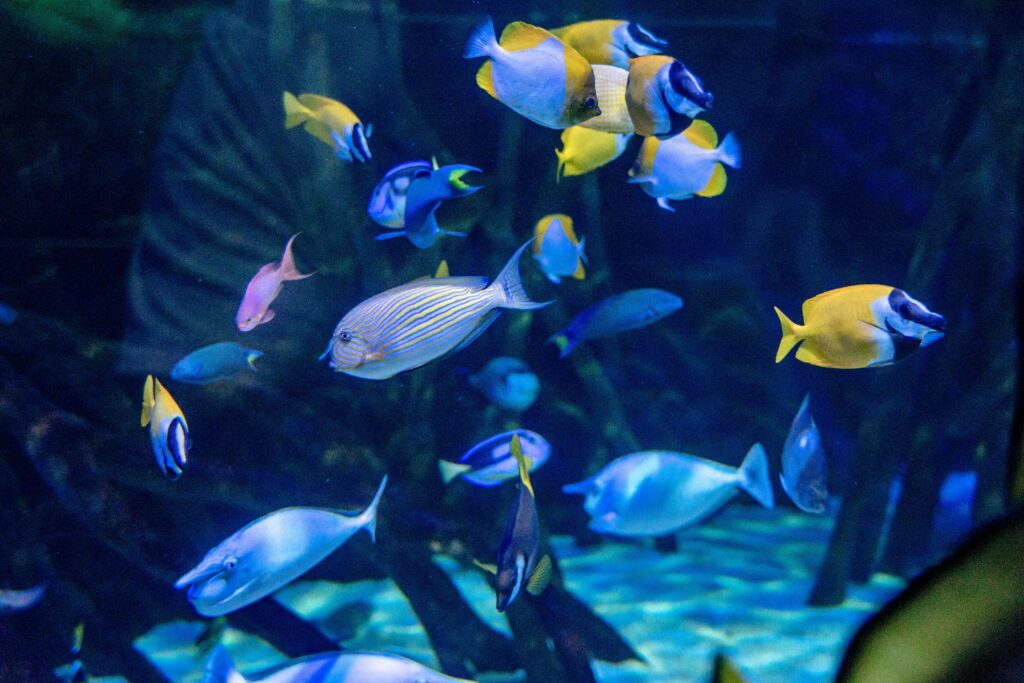
The biodiversity of the Canarian seabeds is distinguished by the variety and density of marine species. Encounters with colorful fish, stingrays, moray eels, octopuses, seahorses, or harmless angel sharks are frequent. Cetaceans such as dolphins and whales regularly pass by the archipelago.
The flora is dominated by gorgonian forests, algae, and seagrass beds that create fascinating settings for sea diving and snorkeling. Marine reserves ensure the protection of these habitats, guaranteeing a recreational or sport diving experience rich in unique observations.
What types of diving can be practiced and at what level?
The Canaries allow the practice of all diving disciplines. Beginner diving usually takes place in shallow waters, with professional supervision and optimal safety. Introductory dives are available from age 10, with an instructor, at sites suited for learning. Experienced diving offers deep or technical dives on wrecks, cliffs, or caves, for more advanced exploration.
Boat diving provides access to distant reefs and spectacular wrecks. Night diving offers a different view of marine fauna, active after sunset. For freedom lovers, freediving and snorkeling reveal underwater landscapes accessible without tanks.
What are the safety rules and essential equipment for diving in the Canaries?
Safety is a priority for diving in the Canaries. Legislation requires specific insurance, a medical certificate, and the use of a dive computer for certified divers. Equipment must be adapted to the depth and type of diving practiced, whether recreational, sport, or technical diving.
It is advised to wait twenty-four hours after a deep dive before flying or ascending to altitude to avoid decompression risks. Knowledge of local rules and adherence to instructors’ instructions ensure a safe and rewarding experience, whether diving in the sea, boat diving, or scuba diving.
Equipment and instructions for safe diving
- Equipment: wetsuit, buoyancy compensator, regulator, dive computer
- Safety: mandatory insurance, respect for decompression stops
- Deep diving: specific training recommended
- Sea diving: supervision by a professional
- Beginner diving: minimum age of 10 years for introductory dives
In 2017, divers from the Museo Atlántico in Lanzarote were able to observe a school of manta rays circling around the submerged sculptures, a rare spectacle in the Atlantic.
Quiz: Explore the Marine Depths of the Canary Islands
What is the main characteristic of visibility when diving in the Canaries?
Which iconic site offers a unique underwater museum in Europe?
Which marine species is frequently observed during dives in the Canaries?
Which season is ideal for enjoying better underwater visibility?
Which underwater activity allows you to observe landscapes without a tank?
Diving in Spain, especially around the Canary Islands, captivates with the diversity of its underwater landscapes and exceptional wildlife; to discover other fascinating places to explore underwater, check out the best snorkeling destinations in the world and let yourself be inspired by the variety of aquatic experiences offered worldwide.
How to Prepare for a First Diving Experience in the Canaries?
Discovering the marine depths of the Canaries requires preparation suited to the diversity of sites. Before booking a session, inquire about local diving clubs, often certified by international organizations. These establishments offer personalized support for every level, from beginner to experienced diving. Instructors assess your comfort in the water and guide you to spots matching your expectations.
The choice of equipment directly influences the quality and safety of the experience. For scuba diving, prioritize recent and regularly checked gear. Thermal wetsuits adapted to the water temperature ensure thermal comfort throughout the immersion. Centers often provide the necessary equipment, but it is still possible to bring your own mask or fins for added comfort.
Respecting safety rules optimizes the discovery of marine species and underwater landscapes. Follow the instructors’ guidelines, limit the impact on wildlife and flora, and avoid touching the reefs or the wrecks. This responsible approach preserves the richness of the natural environment and allows for the observation of remarkable biodiversity during each dive.
The ideal seasons for diving in the archipelago
Underwater visibility reaches its peak between May and October, a period when the water temperature is most pleasant. Stable weather conditions favor sea diving and access to underwater caves or tunnels. In winter, site attendance decreases, offering a more peaceful experience that is just as rich in discoveries.
The particularities of night diving in the Canaries
Night diving reveals another facet of the Canarian seabeds. Species that are usually discreet become active after sunset. Rays, crustaceans, and octopuses come out of their shelters, offering a fascinating spectacle under the light of lamps. This unique sensory experience enriches the stay of any underwater diving enthusiast.
- Book an initiation with a certified center
- Check the quality and maintenance of the equipment
- Choose the season according to the desired visibility
- Respect safety instructions and local wildlife
- Try a night dive for a different experience
Why exploring the Canaries’ seabeds transforms the vision of travel?
Exploring the Canaries’ seabeds opens the door to a total immersion in a preserved ecosystem teeming with biodiversity. Each diving session becomes an opportunity to discover rare marine species, observe wrecks loaded with history, or cross spectacular volcanic reefs. This diversity transforms the perception of travel, inviting one to adopt a renewed view of nature and to favor a respectful and curious approach to underwater wonders.
FAQ: Practical advice and unique experiences for diving in the Canaries
How to have an authentic encounter with the marine life of the Canaries without disturbing the ecosystem?
Adopting a discreet and respectful observation approach encourages the approach of animals in their natural habitat. Prefer to keep a distance, limit sudden movements, and avoid touching corals or creatures. By following the recommendations of local guides and favoring diving centers committed to preservation, you will enjoy rich interactions while protecting biodiversity.
What unforgettable souvenirs to bring back after an underwater adventure in the archipelago?
The Canaries offer the opportunity to bring back much more than stunning photos. Exchanges with locals, sharing sea outings with passionate locals, or participating in beach clean-ups enhance the human dimension of the trip. A dive log filled with unexpected observations and the feeling of having contributed to the preservation of the marine environment are precious and meaningful souvenirs.